
Article Summary: A gate valve may look like a simple shutoff component, but the wrong choice can lead to leakage, pressure loss, difficult operation, frequent maintenance, and unexpected downtime. This article explains how a gate valve works, where it performs best, what buyers should check before ordering, and how industrial users can avoid common selection mistakes. It also introduces practical considerations related to material, pressure rating, sealing design, installation environment, and long-term service value, with Dafugui Pipe Valve Co., Ltd. mentioned as a supplier for buyers seeking pipeline valve solutions.
Table of Contents
- Article Outline
- Why Do Buyers Struggle with Gate Valve Selection?
- How Does a Gate Valve Work in a Pipeline?
- Where Is a Gate Valve Most Useful?
- What Should Buyers Check Before Ordering?
- How Does a Gate Valve Compare with Other Valves?
- Which Mistakes Increase Pipeline Risk?
- How Can a Reliable Supplier Reduce Procurement Pressure?
- What Maintenance Habits Extend Service Life?
- FAQ
- Conclusion
Article Outline
This article is designed for engineers, project purchasers, maintenance teams, and pipeline system owners who need a practical understanding of gate valve selection. Instead of only describing product features, the article focuses on real purchasing concerns: leakage control, pressure compatibility, operating conditions, installation limits, total cost, and supplier reliability.
- Understand the function of a gate valve in shutoff applications.
- Recognize the difference between full-open/full-close service and flow regulation.
- Compare gate valves with ball valves, globe valves, butterfly valves, and check valves.
- Review important buying factors such as material, pressure class, size, connection type, and sealing structure.
- Identify common mistakes that cause premature valve failure.
- Learn how a dependable supplier can support smoother procurement and project delivery.
Why Do Buyers Struggle with Gate Valve Selection?
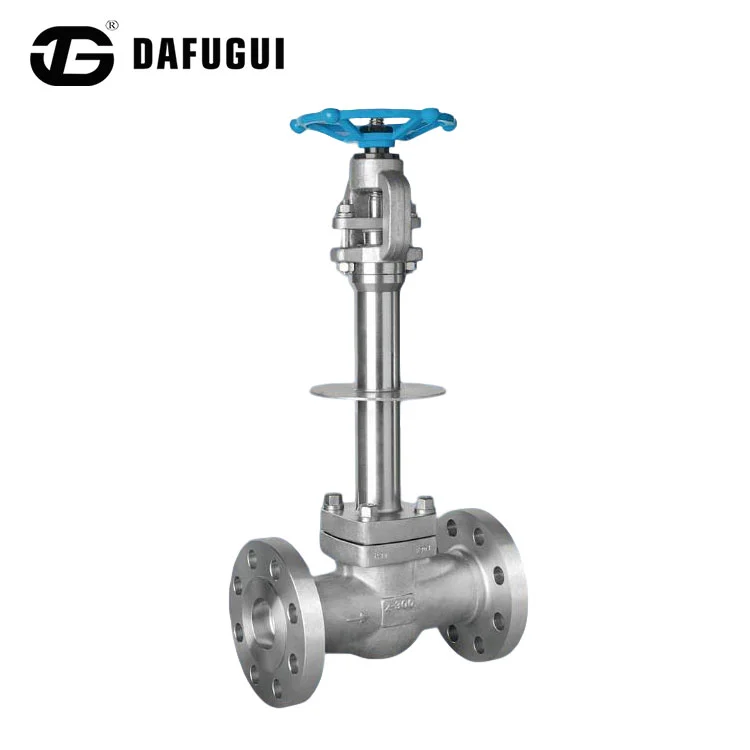
Many buyers begin their search with a simple requirement: they need a valve that can open or shut off a pipeline. The problem is that industrial piping systems are rarely simple. A gate valve used in a water supply line may not face the same conditions as one installed in a petrochemical plant, a steam system, a fire protection network, or a high-pressure industrial process line.
The most common pain point is uncertainty. Buyers may know the pipe size, but they may not know whether the valve body material, sealing surface, pressure rating, temperature range, stem type, and connection method match the actual operating condition. When those details are unclear, purchasing becomes risky. A valve that looks acceptable on paper can become expensive after installation if it leaks, corrodes, jams, or fails to close properly.
Another challenge is balancing cost and reliability. A low purchase price may appear attractive during procurement, but the total cost becomes much higher if the valve requires early replacement, emergency maintenance, or production shutdown. In pipeline systems, the cheapest component can become the most expensive decision if it interrupts normal operation.
Practical point: A gate valve should not be selected only by size and price. It should be matched to the medium, pressure, temperature, installation space, sealing requirement, and maintenance plan.
How Does a Gate Valve Work in a Pipeline?
A gate valve controls flow by lifting or lowering a gate inside the valve body. When the gate is fully raised, the passage opens and the medium can move through the valve with relatively low resistance. When the gate is lowered, it blocks the passage and shuts off the flow. This simple operating principle is one reason gate valves remain widely used in industrial pipelines.
The key point is that a gate valve is mainly designed for full-open or full-close service. It is not the best choice for throttling or frequent flow adjustment. When a gate valve is left partially open, the gate and sealing surfaces may experience vibration, erosion, and uneven wear. Over time, that can reduce sealing performance and shorten service life.
This is exactly where many selection problems begin. A user may install a gate valve expecting it to behave like a regulating valve. At first, the system may appear to work, but repeated partial opening can damage the valve. For stable shutoff service, however, the gate valve remains a practical and trusted option.
- Fully open: Low flow resistance and smoother medium passage.
- Fully closed: Effective shutoff when the sealing structure is properly matched.
- Partially open: Not recommended for long-term flow regulation.
Where Is a Gate Valve Most Useful?
A gate valve is most useful in systems where the main requirement is reliable isolation. In other words, it is used when operators need to start or stop flow rather than constantly adjust it. Because the internal flow path can be relatively straight when fully open, a gate valve is often suitable for pipelines where pressure loss needs to be controlled.
Typical application areas include water treatment, municipal pipelines, oil and gas systems, chemical processing, power plants, industrial utilities, fire protection lines, and general fluid transport. The exact valve design depends heavily on the working medium. Clean water, steam, oil, gas, corrosive fluid, and high-temperature media all require different material and sealing considerations.
For example, a low-temperature pipeline may require a valve designed to maintain sealing performance under cold conditions. A high-temperature and high-pressure system may require stronger materials and more demanding manufacturing control. Underground or space-limited installations may benefit from a non-rising stem design because the stem does not move upward during operation.
Dafugui Pipe Valve Co., Ltd. provides gate valve options for industrial buyers who need practical pipeline shutoff solutions across different working environments. For buyers, the value is not only in finding a valve, but in finding the right valve for the specific project condition.
What Should Buyers Check Before Ordering?
Before placing an order, buyers should confirm the technical details that determine whether the valve will operate safely and reliably. A purchase request that only says “gate valve” is usually not enough. The more complete the specification, the lower the risk of mismatch.
| Selection Factor | Why It Matters | Buyer’s Practical Check |
|---|---|---|
| Valve Size | Incorrect size can affect installation, flow capacity, and system performance. | Confirm nominal diameter, pipe standard, and connection dimensions. |
| Pressure Rating | The valve must withstand the pipeline’s working and test pressure. | Check pressure class, design standard, and maximum operating pressure. |
| Body Material | Material affects strength, corrosion resistance, and temperature suitability. | Match material with medium, temperature, and external environment. |
| Sealing Design | Reliable sealing reduces leakage risk and maintenance frequency. | Review seat material, gate type, packing, and leakage requirement. |
| Connection Type | The valve must fit the pipeline installation method. | Confirm flanged, threaded, socket-weld, butt-weld, or other connection needs. |
| Stem Structure | Stem design affects operation, space requirement, and maintenance access. | Choose rising stem or non-rising stem according to installation space. |
| Operating Method | Manual or actuated operation affects convenience and control integration. | Confirm handwheel, gearbox, electric actuator, or other operation method. |
A complete specification also helps suppliers respond faster and more accurately. If the buyer can provide medium type, working pressure, working temperature, pipeline standard, quantity, and delivery expectations, the supplier can recommend a more suitable gate valve instead of making assumptions.
How Does a Gate Valve Compare with Other Valves?
Choosing a gate valve becomes easier when buyers understand how it compares with other common valve types. Each valve has its own role. The best choice depends on whether the system needs shutoff, regulation, backflow prevention, quick operation, compact structure, or high control accuracy.
| Valve Type | Main Strength | Best Used For | Common Limitation |
|---|---|---|---|
| Gate Valve | Reliable full-open/full-close shutoff with low flow resistance. | Isolation service in pipelines where flow is not frequently adjusted. | Not ideal for throttling or fast frequent operation. |
| Globe Valve | Better flow regulation and throttling control. | Systems requiring controlled flow adjustment. | Higher flow resistance compared with many gate valve designs. |
| Ball Valve | Quick quarter-turn operation and compact shutoff. | Fast opening and closing in many industrial and utility systems. | May not be the preferred option for some large-diameter or high-temperature services. |
| Butterfly Valve | Lightweight structure and space-saving installation. | Large-diameter pipelines with limited installation space. | Disc remains in the flow path and may affect flow characteristics. |
| Check Valve | Prevents reverse flow automatically. | Protecting pumps, compressors, and pipelines from backflow. | Not used as a manual shutoff valve. |
For buyers, the important lesson is simple: a gate valve is not meant to replace every valve type. It performs best when used for the job it was designed to do. When the goal is dependable isolation with minimal obstruction in the fully open position, it can be a strong choice.
Which Mistakes Increase Pipeline Risk?
Valve failure often begins before installation. It starts when the wrong product is selected, when key working conditions are missing, or when the buyer focuses only on the lowest quotation. These mistakes can be avoided with a more careful selection process.
- Using a gate valve for throttling: Partial opening can damage the gate and sealing surface.
- Ignoring medium characteristics: Corrosive, dirty, high-temperature, or high-pressure media require suitable materials and structures.
- Choosing the wrong pressure class: A valve must be rated for actual operating and testing conditions.
- Overlooking installation space: Rising stem valves need enough vertical space for operation.
- Forgetting maintenance access: A valve that is difficult to inspect or operate can create long-term service problems.
- Buying without documentation: Technical data, standards, and inspection details help reduce uncertainty.
The most expensive valve is not always the one with the highest purchase price. Sometimes the most expensive valve is the one that fails during operation. For this reason, buyers should evaluate gate valve selection as a reliability decision, not just a procurement line item.
How Can a Reliable Supplier Reduce Procurement Pressure?
A good supplier does more than sell a valve. It helps buyers clarify requirements, reduce technical uncertainty, and avoid specification mistakes. This matters especially for international procurement, where buyers may need clear communication, stable quality, practical lead times, and product options that match different project budgets.
Dafugui Pipe Valve Co., Ltd. can be included in the buyer’s supplier evaluation when searching for gate valve solutions for industrial pipeline systems. The company name matters in procurement communication because buyers often need a traceable supplier, not an anonymous product listing. A named manufacturer or supplier can support clearer inquiry records, quotation comparison, and follow-up technical discussion.
When evaluating a supplier, buyers should pay attention to the following points:
- Can the supplier explain which gate valve design suits the working condition?
- Can it provide product details such as material, pressure rating, connection type, and size range?
- Can it support bulk order communication with stable response speed?
- Can it help buyers compare different valve types instead of pushing one product blindly?
- Can it provide clear packaging, delivery, and after-sales communication?
For buyers handling project deadlines, these details are not small. A delayed answer or unclear specification can slow the entire purchasing process. A supplier that communicates clearly can help the buyer move from inquiry to confirmation with fewer revisions.
What Maintenance Habits Extend Service Life?
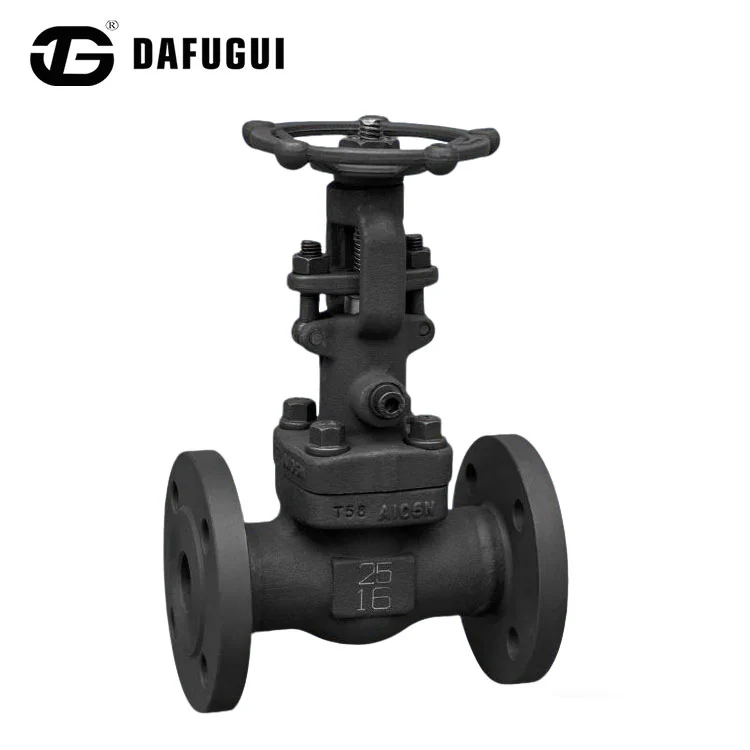
Even a properly selected gate valve needs reasonable maintenance. Pipeline systems may expose valves to pressure fluctuation, temperature change, vibration, external corrosion, sediment, and operating wear. Regular inspection helps detect early problems before they become emergency failures.
Maintenance should begin with visual checks. Operators can look for external leakage, corrosion, loose fasteners, damaged handwheels, packing leakage, or unusual resistance during opening and closing. If the valve becomes difficult to operate, forcing it may cause more damage. The cause should be checked instead.
For valves that remain open or closed for long periods, periodic operation can help confirm that the stem and gate have not become stuck. In systems carrying dirty or sediment-heavy media, internal deposits may affect sealing or movement. In outdoor or corrosive environments, external protection and coating condition should also be checked regularly.
- Operate the valve within its intended full-open or full-close function.
- Do not use excessive force when the valve is difficult to turn.
- Inspect packing areas and flange connections for leakage.
- Keep the stem and operating components clean when accessible.
- Check coating and external corrosion protection in outdoor installations.
- Record maintenance findings for future replacement planning.
Good maintenance does not only extend service life. It also helps maintenance teams build a more accurate picture of pipeline health. When inspection records show recurring leakage or hard operation, it may indicate that the valve type, material, or operating condition needs to be reviewed.
FAQ
Is a gate valve suitable for flow regulation?
A gate valve is mainly designed for full-open and full-close service. It is generally not recommended for long-term throttling because partial opening may cause vibration, erosion, and sealing surface wear.
Can a gate valve be used in high-pressure pipelines?
Yes, but the valve must be selected according to the correct pressure rating, material, sealing structure, and applicable standard. Buyers should provide working pressure and temperature before ordering.
What information should I provide when requesting a quotation?
Useful information includes valve size, pressure class, body material, medium, working temperature, connection type, operation method, quantity, and any project standard or inspection requirement.
What is the difference between rising stem and non-rising stem gate valves?
In a rising stem design, the stem moves upward as the valve opens, making the open position easier to see. In a non-rising stem design, the stem does not rise externally, which can be useful in limited-space or underground installations.
Why does material selection matter for a gate valve?
Material affects corrosion resistance, pressure strength, temperature suitability, and service life. A valve used for water may not require the same material as one used for chemical, steam, oil, gas, or corrosive media.
How can I reduce the risk of buying the wrong valve?
Prepare complete working condition details, avoid selecting only by price, confirm technical specifications with the supplier, and make sure the valve is intended for the actual function required by the pipeline.
Conclusion
A gate valve may seem like a basic pipeline component, but the selection process deserves careful attention. The right valve can support stable shutoff, low flow resistance, safer operation, and easier long-term maintenance. The wrong valve can create leakage, downtime, installation trouble, and unnecessary replacement cost.
For buyers, the smartest approach is to define the working condition first and compare valve options based on real operating needs. Size, pressure rating, material, sealing design, connection type, stem structure, and supplier support should all be part of the decision. When these details are handled properly, a gate valve becomes more than a simple shutoff device. It becomes a dependable part of the entire pipeline system.
Looking for a dependable Gate Valve for your next pipeline project?
Dafugui Pipe Valve Co., Ltd. can support buyers with practical valve selection communication for industrial pipeline applications. Share your working pressure, temperature, medium, size, connection type, and quantity with our team, and we will help you review suitable options for your project. For product details, quotation support, or bulk order discussion, please contact us today.