
Globe Valves are often selected when a pipeline needs more than simple open-and-close service. For buyers, engineers, and maintenance teams, the real question is not only whether a valve can stop fluid, but whether it can control flow steadily, protect downstream equipment, reduce leakage risk, and remain serviceable over a long operating life. This guide explains how Globe Valves work, where they perform best, which selection details matter most, and how companies can avoid common purchasing mistakes when dealing with steam, water, oil, gas, chemical, and general industrial piping systems.
Table of Contents
- Article Outline
- Why Do Buyers Struggle When Choosing Globe Valves?
- How Do Globe Valves Control Flow Differently?
- Where Do Globe Valves Solve the Most Practical Problems?
- Which Selection Factors Should Be Checked Before Purchase?
- What Mistakes Increase Cost After Installation?
- Why Does Supplier Support Matter for Long-Term Operation?
- FAQ About Globe Valves
- Final Purchasing Note
Article Outline
Understanding why leakage, unstable control, wrong material choice, and poor sizing often create unnecessary operating costs.
Explaining the basic structure and movement of Globe Valves in a practical way for buyers and engineers.
Reviewing common industrial conditions where Globe Valves can offer better regulation and shut-off reliability.
Providing a clear table of pressure, temperature, material, end connection, maintenance, and service requirements.
Why Do Buyers Struggle When Choosing Globe Valves?
Many valve purchasing problems begin with a simple assumption: if the nominal size and pressure class look correct, the valve should work. In real industrial systems, that assumption can be expensive. A valve may fit the pipe but still create excessive pressure drop, premature seat wear, vibration, leakage, or poor flow response. This is especially true when buyers compare products only by price without checking actual working conditions.
Globe Valves are usually considered when a project needs controlled flow adjustment, dependable shut-off, and stable operation under changing process demands. Compared with valves designed mainly for fast isolation, Globe Valves provide a more controlled path for fluid movement. This makes them useful in systems where operators need to regulate flow instead of simply allowing full passage or complete closure.
The pain point for many buyers is that Globe Valves look straightforward from the outside, but performance depends on details that are not always visible in a product photo. Seat design, disc material, stem quality, sealing surface treatment, connection method, and manufacturing consistency all influence how the valve behaves after months or years of use. A low-cost valve that leaks, sticks, or wears quickly can become more expensive than a carefully selected valve with stronger service support.
For industrial buyers working with Dafugui Pipe Valve Co., Ltd., the goal should not be to pick Globe Valves only by catalog description. The better approach is to match the valve to the actual fluid, pressure, temperature, flow control requirement, maintenance plan, and pipeline layout.
How Do Globe Valves Control Flow Differently?
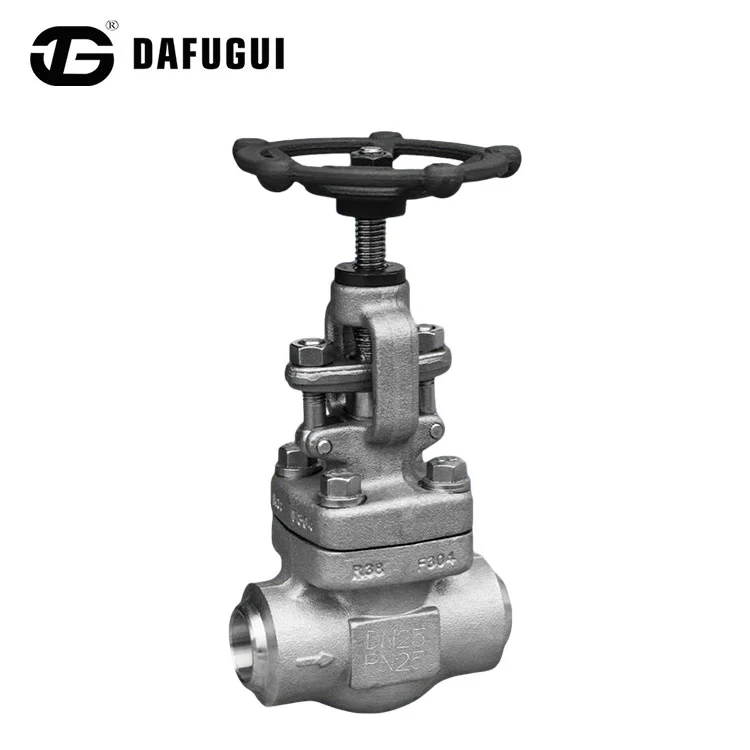
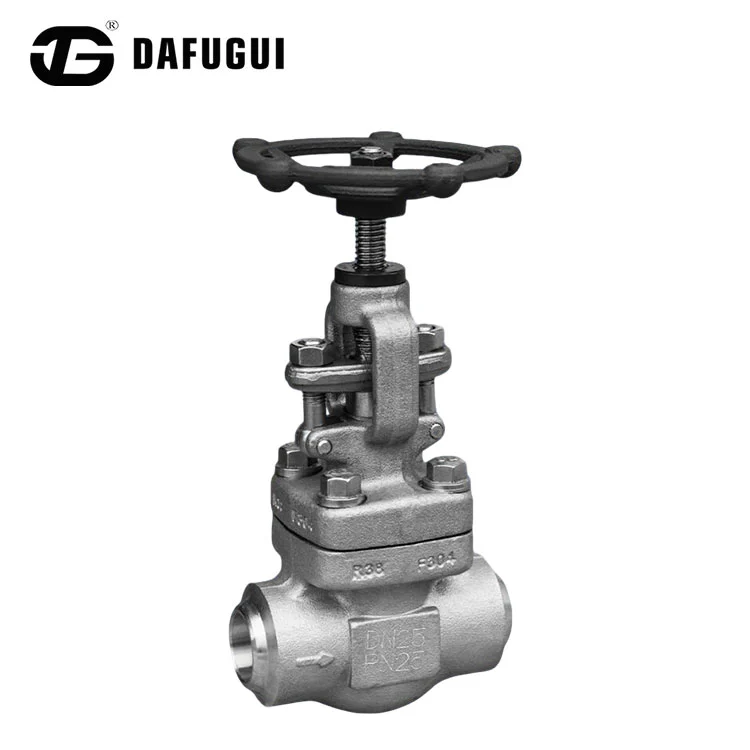
Globe Valves control fluid by moving a disc toward or away from a seat. As the disc changes position, the opening area changes, allowing the operator to regulate the flow more gradually. This design is one reason Globe Valves are often preferred for throttling service, flow balancing, and controlled shut-off duties.
In many piping systems, the challenge is not just stopping the medium. The challenge is controlling how much medium passes through, how smoothly it moves, and how reliably the valve closes when the process requires isolation. Globe Valves can help because their internal design gives operators more precise adjustment than many simple on-off valve types.
However, this advantage also comes with responsibility. Globe Valves may create higher pressure drop than some straight-through designs because the fluid changes direction inside the valve. This is not automatically a weakness. In control applications, that pressure drop can be acceptable or even useful. But if a pipeline needs maximum flow with minimal resistance, the buyer should review whether a Globe Valve is truly the best option for that position.
Good selection starts with honest operating data. Fluid type, flow rate, working pressure, maximum temperature, cycle frequency, installation direction, and expected maintenance access should all be reviewed before confirming the order.
Where Do Globe Valves Solve the Most Practical Problems?
Globe Valves are commonly used in industrial systems where accurate control, sealing reliability, and durability matter. Their value becomes clear in processes where unstable flow can affect equipment safety, product quality, energy use, or maintenance frequency.
- Steam lines: Globe Valves can help regulate steam flow where controlled adjustment is more important than quick full-bore opening.
- Cooling water systems: They can be used to balance flow and maintain stable equipment operating conditions.
- Oil and gas service: Properly selected materials and sealing designs can support shut-off and regulation in demanding pipeline sections.
- Chemical processing: Material compatibility is critical, and Globe Valves can support controlled dosing, transfer, and process regulation.
- Power and utility systems: They are often considered where reliable throttling and isolation are required in auxiliary pipelines.
- General industrial piping: Factories may use Globe Valves for water, air, oil, and other media where flow adjustment is part of daily operation.
The best use case is not always the most extreme environment. Sometimes the strongest value of Globe Valves appears in ordinary pipelines where poor control causes repeated downtime. A valve that helps operators adjust flow smoothly can reduce stress on pumps, instruments, and downstream components.
Which Selection Factors Should Be Checked Before Purchase?
A well-chosen valve begins with complete communication. Buyers should avoid sending only size and quantity. The more complete the working condition, the easier it is for the supplier to recommend suitable Globe Valves and reduce the chance of mismatch.
| Selection Factor | Why It Matters | Buyer Checkpoint |
|---|---|---|
| Fluid Medium | The medium affects corrosion resistance, sealing choice, cleaning needs, and service life. | Confirm whether the medium is water, steam, oil, gas, chemical fluid, or mixed service. |
| Pressure Rating | Incorrect pressure class can create safety risks, leakage, and early failure. | Provide normal working pressure, maximum pressure, and any pressure fluctuation details. |
| Temperature Range | High or low temperature can affect sealing performance, material strength, and operation torque. | Share both regular temperature and peak temperature, not only average conditions. |
| Valve Material | Material selection influences corrosion resistance, mechanical strength, and cost efficiency. | Compare carbon steel, stainless steel, and other options based on real service conditions. |
| End Connection | Connection type affects installation, maintenance, leakage points, and pipeline compatibility. | Check whether flanged, threaded, socket-welded, or butt-welded connection is needed. |
| Operation Method | Manual or actuated operation affects response speed, labor needs, and automation planning. | Confirm whether the valve will be operated by handwheel, gear, electric actuator, or pneumatic actuator. |
| Maintenance Access | A valve that cannot be reached easily may increase downtime when service is needed. | Review installation space, stem direction, and future inspection requirements before purchase. |
This checklist helps buyers move away from vague purchasing and toward technical matching. When Globe Valves are selected with the full working environment in mind, they are more likely to deliver stable control and dependable service.
What Mistakes Increase Cost After Installation?
The most common purchasing mistake is treating Globe Valves as interchangeable items. Two valves may share the same size and pressure rating, yet perform very differently because of seat quality, sealing surface hardness, material choice, machining accuracy, and assembly control.
- Choosing only by lowest price: A cheaper valve may become costly if it leaks, requires frequent tightening, or causes production interruptions.
- Ignoring pressure drop: Globe Valves can create more resistance than some straight-flow valves, so the system design should account for this.
- Using the wrong material: Corrosive or high-temperature media can shorten valve life if material compatibility is not reviewed.
- Skipping installation direction: Incorrect installation may affect flow control, sealing behavior, and service performance.
- Overlooking maintenance conditions: A valve placed in a cramped or inaccessible area can increase labor time and shutdown cost.
- Providing incomplete project details: Without enough operating data, even an experienced supplier may not identify the best configuration.
A reliable purchasing process should feel slightly more demanding at the beginning. That is a good thing. Every technical question answered before production can prevent a much more expensive problem after installation.
Why Does Supplier Support Matter for Long-Term Operation?
Industrial buyers do not only need a valve. They need a product that fits the pipeline, arrives with consistent quality, and can be supported when questions appear. For Globe Valves, supplier experience matters because small design or manufacturing differences can influence sealing, operating smoothness, and service life.
Dafugui Pipe Valve Co., Ltd. serves buyers who need practical valve solutions for industrial piping projects. When discussing Globe Valves with a supplier, buyers should look for clear product communication, available customization options, material guidance, and a willingness to review working conditions rather than simply quote a price.
A stronger supplier relationship also helps when projects involve multiple valve categories. Many industrial systems require Globe Valves alongside gate valves, check valves, ball valves, butterfly valves, flanges, pipes, and fittings. Coordinated sourcing can reduce communication gaps, improve compatibility, and simplify project management.
For buyers, the real value is confidence. The right supplier helps reduce uncertainty before the order is placed, during production, and after the valve enters service.
FAQ About Globe Valves
Are Globe Valves suitable for throttling service?
Yes. Globe Valves are commonly selected for throttling and flow regulation because the disc movement allows more gradual control of the flow opening. The exact suitability still depends on medium, pressure, temperature, and valve design.
Do Globe Valves provide tight shut-off?
They can provide reliable shut-off when properly designed, manufactured, installed, and maintained. Buyers should confirm sealing requirements and service conditions before ordering.
Are Globe Valves better than gate valves?
Not always. Globe Valves are often better for regulation, while gate valves are usually preferred for full open or full close service with lower pressure drop. The better choice depends on the pipeline function.
Can Globe Valves be used for steam?
Yes, Globe Valves are widely used in steam service, but the buyer must confirm pressure class, temperature range, material, sealing design, and connection type.
What information should I provide before buying Globe Valves?
Provide valve size, pressure rating, medium, temperature, connection standard, operation method, quantity, installation environment, and any special requirements such as corrosion resistance or automation.
Why do Globe Valves sometimes have higher pressure drop?
Their internal flow path is designed for controlled regulation rather than maximum straight-through flow. This can create higher resistance, so system requirements should be checked before selection.
Final Purchasing Note
Globe Valves are a smart choice when a pipeline requires careful flow regulation, dependable shut-off, and long-term operating stability. The right decision depends on more than size and price. Buyers should evaluate working pressure, temperature, medium, material, connection type, control requirements, and maintenance access before confirming an order.
If your project involves industrial piping, steam lines, water systems, chemical processing, oil service, or general flow control, Dafugui Pipe Valve Co., Ltd. can help you review the requirements and choose Globe Valves that better match your operating conditions.
Need Help Choosing Globe Valves for Your Project?
Share your pipeline details, working medium, pressure, temperature, connection standard, and quantity with our team. We will help you compare suitable options and prepare a practical valve solution for your project. For pricing, technical discussion, or customized sourcing support, please contact us today and let Dafugui Pipe Valve Co., Ltd. help you move from uncertain selection to confident purchasing.