
What Makes Butterfly Valves a Practical Choice for Modern Pipeline Systems?
When engineers, buyers, and maintenance teams evaluate flow control equipment, they rarely look for a component that is merely “good enough.” They want something compact, dependable, easy to operate, and economical over the full service life of the line. That is exactly why butterfly valves continue to attract attention across water treatment, chemical processing, HVAC, marine systems, fire protection, and general industry. In many real-world applications, the right butterfly valve can reduce installation complexity, improve shut-off performance, simplify maintenance planning, and help facilities control total operating cost. Companies such as Dafugui Pipe Valve Co., Ltd. have expanded their butterfly valve offerings around these practical industrial needs, especially where users demand durability, efficient actuation, and flexible material choices.
Article Summary
This article explains why butterfly valves remain a preferred solution in many pipeline systems and how buyers can choose them more confidently. It covers how butterfly valves work, where they fit best, what problems they solve, and what common mistakes lead to leakage, poor sealing, difficult operation, or premature wear. It also compares butterfly valves with other valve types, outlines selection criteria, and offers maintenance guidance for long-term reliability. For readers who need a practical decision-making framework rather than vague product descriptions, this guide focuses on performance, service conditions, and application fit.
Table of Contents
- Outline
- How Do Butterfly Valves Work in Real Pipeline Conditions?
- Why Do So Many Buyers Choose Butterfly Valves First?
- What Problems Can Butterfly Valves Help Solve?
- Which Factors Matter Most When Selecting Butterfly Valves?
- How Do Butterfly Valves Compare with Other Valve Types?
- What Maintenance Habits Keep Butterfly Valves Reliable?
- What Buying Mistakes Cause Trouble Later?
- What Should You Remember Before Making a Final Choice?
- FAQ
Outline
- Define how butterfly valves operate and why their quarter-turn design matters.
- Explain the core advantages buyers care about most in daily operation.
- Connect product features to actual customer pain points in industrial systems.
- Show how pressure, temperature, media, seal type, and actuation affect selection.
- Compare butterfly valves with gate, ball, and globe valves in practical terms.
- Provide a maintenance and inspection approach that supports longer service life.
- Highlight common purchasing errors and how to avoid them.
How Do Butterfly Valves Work in Real Pipeline Conditions?
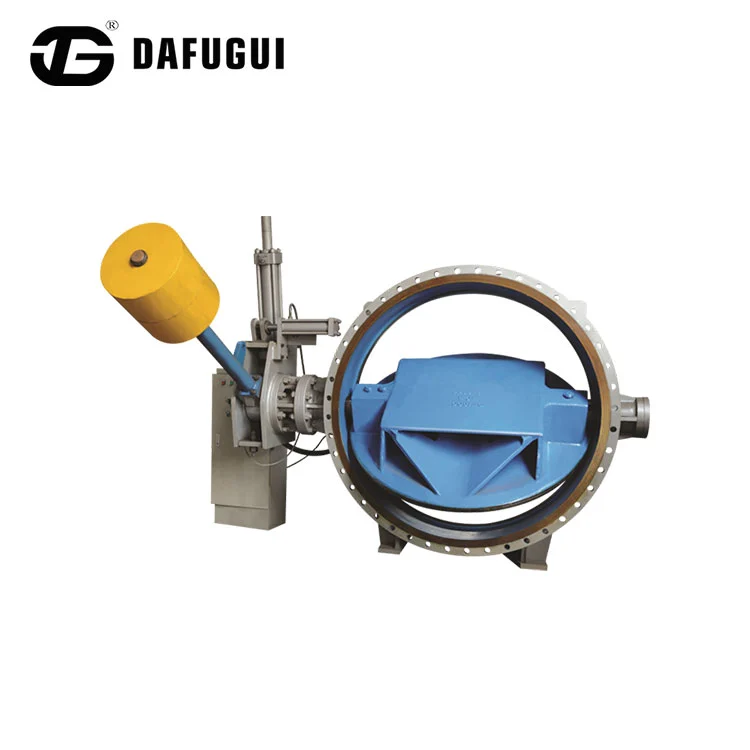
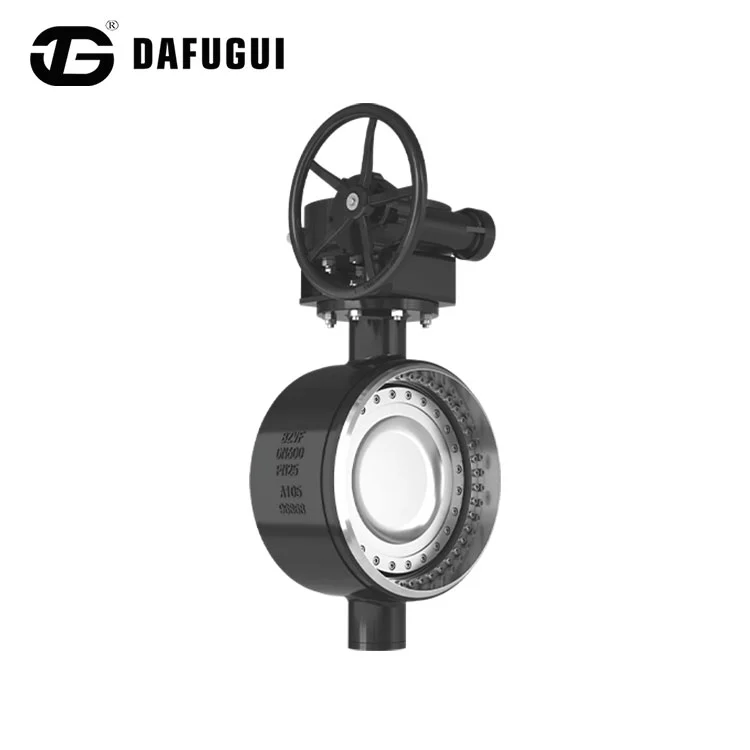
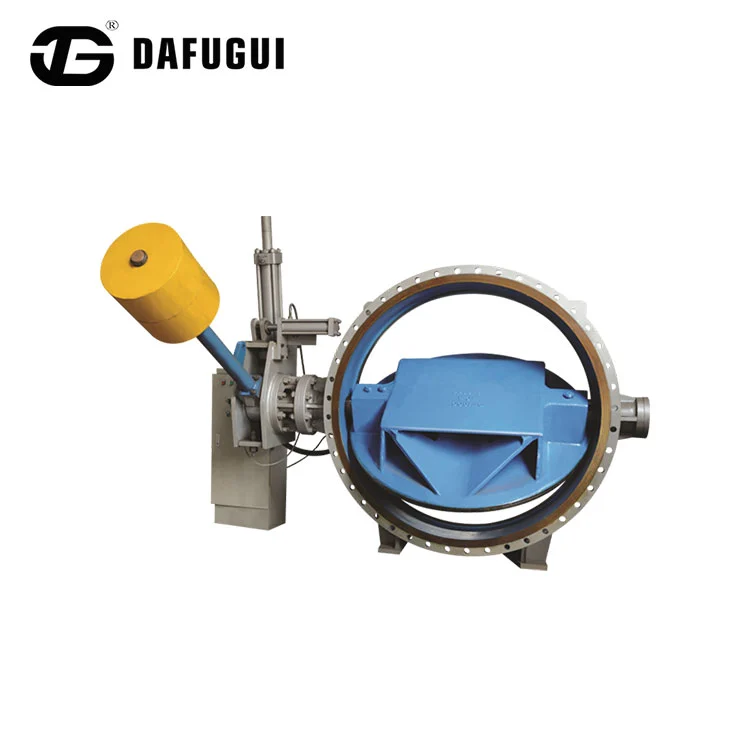
Butterfly valves use a rotating disc mounted on a shaft to control flow. When the disc turns parallel to the direction of flow, the valve opens; when it turns perpendicular, the valve closes. This quarter-turn action is one of the biggest reasons these valves are valued in modern systems. Operators do not need multiple turns to open or close the line, and automated systems can respond quickly when timing matters.
In practice, this simple movement creates several operational advantages. The body is usually more compact than many alternative valve designs, which helps when pipe racks are crowded or valve spacing is tight. The reduced envelope can also lower support requirements and make installation easier in retrofit projects. In addition, the relatively light structure often translates into easier handling during transportation, setup, and service replacement.
Of course, “simple” does not mean “one-size-fits-all.” Butterfly valves are available in multiple seat materials, disc materials, pressure classes, and body configurations. Soft-seated options are often selected for dependable shut-off in water and general utility systems, while metal-seated designs are preferred for higher temperature, abrasive, or more demanding service conditions. The principle stays the same, but the engineering details determine whether the valve truly matches the application.
A butterfly valve performs best when selection is based on actual service conditions rather than price alone. Media properties, pressure range, operating frequency, and shut-off expectations all matter.
Why Do So Many Buyers Choose Butterfly Valves First?
Most buyers are not searching for complexity. They want equipment that solves a job cleanly and predictably. That is where butterfly valves often stand out. They offer a useful balance of cost, control, size efficiency, and operating convenience. In many plants, that balance is more valuable than chasing the highest specification on paper.
- Compact construction: Butterfly valves are often easier to install in limited spaces than bulkier alternatives.
- Fast quarter-turn operation: Quick open-close action supports responsive process control.
- Lower weight: Reduced handling weight can simplify installation and maintenance logistics.
- Flexible actuation options: Manual lever, gear operator, pneumatic actuator, and electric actuator configurations are widely available.
- Good cost-performance balance: For many large-diameter applications, butterfly valves can be more economical than other shut-off valve types.
Another important point is scalability. In large pipeline systems, valve size has a direct effect on procurement cost, installation labor, and actuator load. Butterfly valves often remain practical as line sizes increase, which is why they are frequently used in water distribution, cooling lines, process utility networks, and bulk fluid handling.
| Buyer Concern | How Butterfly Valves Address It | Practical Benefit |
|---|---|---|
| Limited installation space | Short face-to-face dimensions and compact body design | Less congestion in pipe systems and easier retrofits |
| Need for quicker operation | Quarter-turn open and close movement | Faster response in manual and automated control |
| Budget pressure on large diameters | Efficient design often lowers size-related cost increase | More manageable capital spending |
| Maintenance efficiency | Simple mechanical structure | Easier inspection and service planning |
What Problems Can Butterfly Valves Help Solve?
Customers usually do not ask for a valve because they want a valve. They ask because something in the system is difficult, costly, unreliable, or slow. A good technical article should start there. Butterfly valves are often chosen to solve pain points that appear repeatedly across industries.
- Slow and labor-intensive operation: Multi-turn valves can be inconvenient in frequent cycling applications. Butterfly valves reduce that burden.
- Space constraints around line equipment: Larger or heavier valve types may complicate installation in existing pipe corridors.
- Rising maintenance costs: When systems need straightforward service access and predictable parts replacement, simpler valve geometry can help.
- Inconsistent shut-off in the wrong valve design: Selecting the appropriate seat and disc configuration can improve sealing reliability.
- High project cost in large diameters: Butterfly valves often make economic sense where line sizes are substantial.
There is also a process control angle. In some systems, the objective is not only shut-off but also flow regulation. Butterfly valves can support throttling in many applications, though success depends heavily on valve design and operating conditions. When buyers understand that distinction, they avoid the common mistake of expecting every butterfly valve to behave identically in control service.
For example, a valve in a clean water loop has very different demands from one in a corrosive chemical line, a hot gas duct, or a line carrying suspended solids. The phrase “butterfly valve” covers a family of solutions, not a single universal answer. That is why a supplier with broader product understanding can be more valuable than one that only quotes a standard item.
Which Factors Matter Most When Selecting Butterfly Valves?
The safest way to choose butterfly valves is to begin with service conditions, not catalogue appearance. Buyers who skip this step often end up with leakage issues, difficult torque requirements, seal wear, or short service life. A better approach is to work through the selection logic systematically.
| Selection Factor | What to Check | Why It Matters |
|---|---|---|
| Media type | Water, steam, gas, slurry, oil, corrosive fluid, abrasive fluid | Material and seat compatibility directly affect performance |
| Temperature | Normal, elevated, or cryogenic range | Seat and seal choice must match thermal conditions |
| Pressure | Operating pressure and surge conditions | Valve class and structural strength must be sufficient |
| Leakage requirement | Isolation level expected by the system | Shut-off expectations influence seat and design selection |
| Operation mode | Manual, gear, pneumatic, electric | Torque, automation, and control integration depend on this |
| Cycle frequency | Occasional use or frequent switching | Wear pattern and actuator durability change with duty cycle |
Material compatibility is especially important. A buyer might focus on the valve body material but overlook the disc, stem, seat, and sealing interface. That can be expensive later. The media may attack only one overlooked component, and that single weak point can determine the actual service life.
End connection and installation standard also deserve attention. Wafer, lug, and flanged butterfly valves each suit different maintenance and system requirements. In some plants, easy removal of downstream equipment matters; in others, compact mounting takes priority. That detail should be decided early, not after purchase orders are placed.
How Do Butterfly Valves Compare with Other Valve Types?
Buyers often compare butterfly valves with gate valves, ball valves, and globe valves. That comparison is useful, but it only helps if it stays practical. No valve type wins everywhere. The right question is where butterfly valves deliver the strongest advantage and where another option may be better.
| Valve Type | Main Strength | Main Limitation | Typical Decision Logic |
|---|---|---|---|
| Butterfly Valve | Compact, lightweight, quick operation, efficient in larger sizes | Performance depends heavily on seat design and service match | Excellent for many general industrial and utility systems |
| Gate Valve | Good for full open or full close isolation in certain services | Slower operation and larger installation footprint | Useful where straight-through flow is prioritized |
| Ball Valve | Strong shut-off performance and quick quarter-turn operation | Can become more costly or heavier in larger diameters | Often selected for tight shut-off and smaller to mid-size lines |
| Globe Valve | Flow regulation capability | Higher pressure drop and larger operating effort | Chosen when control accuracy outweighs compactness |
This is where application context matters most. If a buyer needs a practical large-diameter isolation valve for a water system, butterfly valves may be the most sensible answer. If the service requires extremely specific control behavior or a particular shut-off standard under harsh conditions, another valve type may deserve consideration. Smart selection is not about loyalty to one category. It is about choosing the valve that makes the system easier to run safely and efficiently.
What Maintenance Habits Keep Butterfly Valves Reliable?
Even the best butterfly valves will disappoint if maintenance is treated as an afterthought. Reliability is usually built from routine discipline rather than emergency repair. The good news is that many maintenance problems are preventable with a short list of consistent practices.
- Inspect seat and sealing surfaces regularly. Early wear, cuts, hardening, or buildup should be identified before leakage becomes visible.
- Check actuator operation and torque response. Resistance, hesitation, or incomplete travel often signals developing trouble.
- Verify alignment during installation and service. Misalignment can place unnecessary stress on the disc and stem.
- Keep media conditions in mind. Dirty or abrasive service may require more frequent inspection intervals.
- Document operating cycles. Frequent cycling changes wear behavior and can help predict maintenance timing.
One common oversight is assuming that leakage automatically means the valve itself is defective. Sometimes the real cause is flange distortion, improper installation, incorrect gasket use, or unrecognized system conditions outside the original design range. That is why maintenance teams benefit from evaluating the full valve environment rather than replacing parts blindly.
In facilities that rely on automated butterfly valves, actuator calibration and signal response checks are especially important. A high-quality valve can still underperform if the actuator is mismatched, underpowered, or poorly adjusted. Preventive attention here often saves more money than repeated shutdown troubleshooting.
What Buying Mistakes Cause Trouble Later?
Many valve problems begin long before installation. They start during specification and purchasing. Buyers under schedule pressure sometimes simplify the quote request too aggressively, then discover later that the delivered valve is not actually suitable for the service.
- Choosing by price alone: A cheaper valve that fails early is rarely the cheaper valve in total cost.
- Ignoring media compatibility: Seat, disc, and stem materials must be reviewed together.
- Underestimating temperature and pressure fluctuations: Peak and upset conditions matter, not only normal operation.
- Assuming all butterfly valves throttle equally well: Control performance varies by design and application.
- Overlooking installation standard and connection style: This can create delays, rework, and unnecessary modification cost.
- Failing to define actuation needs clearly: Manual and automated systems require different torque and control considerations.
Another mistake is treating supplier support as secondary. Technical guidance before purchase can prevent specification errors that are difficult to fix once valves arrive on site. For that reason, many industrial buyers prefer working with manufacturers or suppliers that can discuss use cases in detail, not just issue quotations. That is especially true when a project involves corrosive media, high temperature service, unusual line conditions, or custom requirements.
What Should You Remember Before Making a Final Choice?
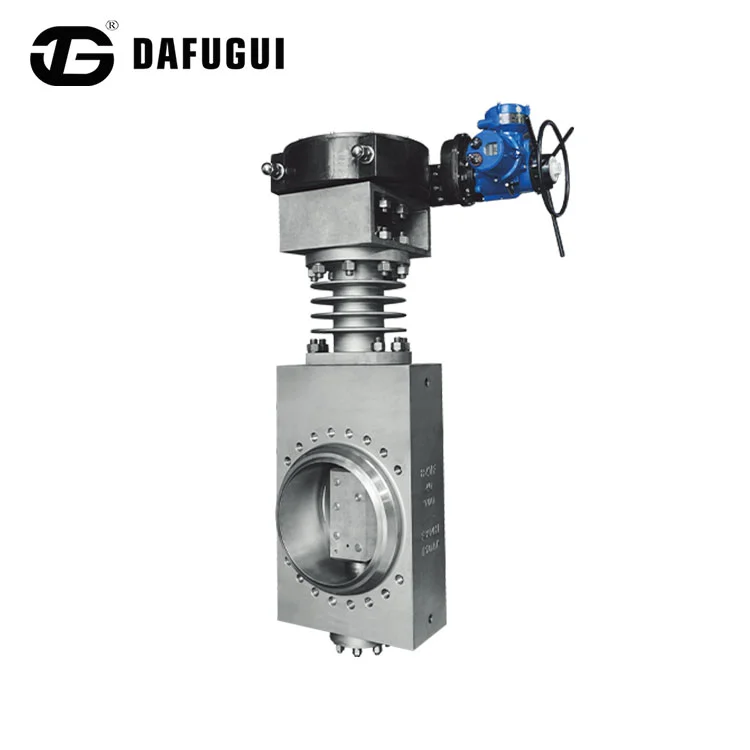
Butterfly valves remain a practical answer for many modern pipeline systems because they combine compact design, efficient operation, broad application flexibility, and strong cost-performance value. But the key word is not simply “butterfly.” It is “fit.” A valve that suits the actual service conditions can improve reliability, reduce downtime, and make operation noticeably easier. A valve selected too quickly can create the opposite result.
The smartest buying decision comes from asking clear questions: What is the media? What shut-off level is required? How often will the valve cycle? Is the line space restricted? What temperature and pressure extremes might appear? Once those answers are defined, butterfly valves become much easier to evaluate with confidence.
If your project requires dependable industrial valve solutions and you want practical guidance rather than generic sales language, Dafugui Pipe Valve Co., Ltd. can be part of that conversation. Whether you are comparing specifications, reviewing application suitability, or trying to avoid costly selection mistakes, the next step is simple: contact us to discuss your pipeline requirements and identify the right valve solution for your system.
FAQ
-
Are butterfly valves suitable for large-diameter pipelines?
Yes. One reason butterfly valves are widely used is that they remain practical in larger line sizes, where compactness and lower weight can offer clear advantages. -
Can butterfly valves be used for throttling?
They can in many applications, but not every butterfly valve is equally suited for precise regulation. The valve design and service conditions should be reviewed carefully. -
What is the main advantage of butterfly valves over bulkier valve types?
In many systems, the main advantages are reduced installation space, quick quarter-turn operation, and a favorable balance between performance and cost. -
Do butterfly valves work in corrosive or high-temperature service?
They can, provided the valve materials, seat type, and overall design are selected for those conditions. Application matching is essential. -
How can buyers avoid butterfly valve selection mistakes?
The safest approach is to define media, temperature, pressure, operating frequency, shut-off expectations, and actuation needs before requesting quotations.
Need Help with the Right Valve Choice?
A pipeline system performs best when every valve is chosen for the actual working conditions, not guessed from a catalogue snapshot. If you are reviewing specifications, comparing options, or planning a new industrial project, contact us for product support and a more targeted butterfly valve recommendation.
Related News
- Why Do Desalination Plant High Salinity S32760 Threaded Pipe Flanges Excel in SWRO Brine and Chemical Lines?
- How Does a Butterfly Valve Control Water Flow in Municipal Supply Systems?
- What Role Do Butterfly Valves Play in Hydropower Plant Penstock Flow Regulation?
- What Is a Rubber Disc Check Valve and How Does It Ensure Reliable Backflow Prevention?
- Why Do Water Engineers Prefer Butterfly Valves for Pump Station Applications?
- How Does a Bellows Expansion Joint Protect Pipeline Systems from Thermal Expansion, Vibration, and Mechanical Stress?
Leave me a message