Which Check Valve Solves Backflow Problems Without Adding Maintenance Headaches?
A check valve is often a small part of a pipeline system, but when it fails, the consequences are rarely small. Backflow can damage pumps, contaminate clean media, create water hammer, interrupt production, and increase maintenance costs. For buyers, engineers, and project managers, the real question is not simply whether a check valve can stop reverse flow. The harder question is whether it can do so reliably in the actual working environment, with the right material, pressure rating, connection type, sealing structure, and installation direction.
This article explains how to choose a practical check valve for industrial, commercial, and utility pipeline systems. It also discusses common pain points such as noisy operation, pressure loss, improper sizing, water hammer, leakage, and frequent replacement. Dafugui Pipe Valve Co., Ltd. provides check valve solutions for buyers who need stable flow control, dependable sealing, and customization support for different pipeline applications.
Article Summary
A well-selected check valve protects a pipeline by allowing fluid to move in one direction and preventing reverse flow when pressure changes. The best choice depends on working pressure, medium type, flow rate, installation position, sealing needs, and maintenance expectations. Instead of treating check valves as interchangeable parts, buyers should match the valve structure to the system’s real operating conditions.
Table of Contents
- Why does a check valve matter more than many buyers expect?
- How does a check valve work inside a pipeline?
- What problems can the wrong check valve create?
- Which factors should be checked before purchasing?
- Which check valve type fits different working conditions?
- How should a check valve be installed for stable performance?
- What should buyers confirm before placing an order?
- FAQ
Outline
- Understand the role of check valves in backflow prevention.
- Review the working principle and common valve structures.
- Identify buyer pain points caused by poor valve selection.
- Compare valve types by application, flow behavior, and maintenance needs.
- Learn installation precautions that affect sealing and service life.
- Use a purchasing checklist to reduce technical risk before ordering.
Why does a check valve matter more than many buyers expect?
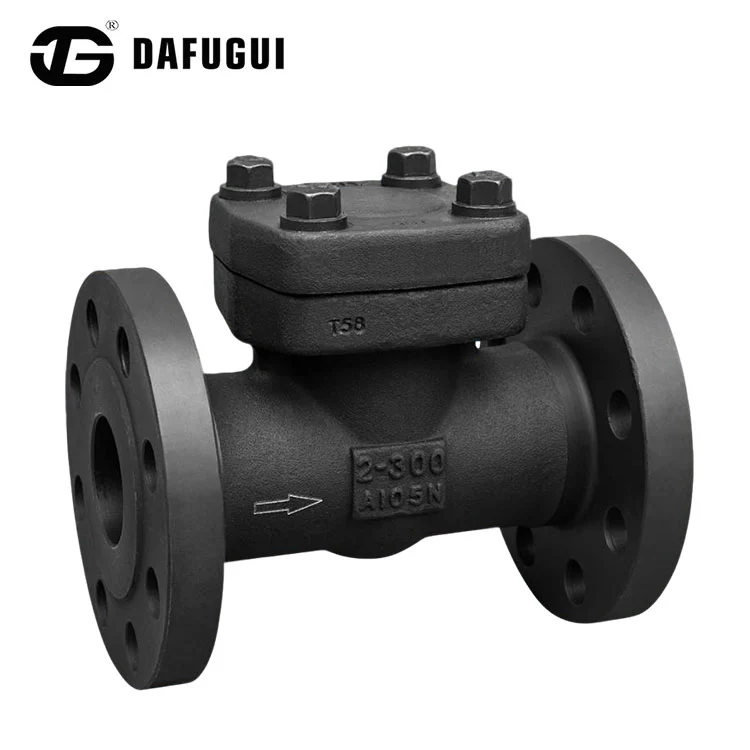
In many projects, valves with visible operating functions receive the most attention. Gate valves, ball valves, and butterfly valves are often discussed because operators manually open or close them. A check valve, by contrast, usually works automatically and quietly. That is exactly why it is sometimes underestimated.
A check valve protects the direction of flow. When the system pressure moves forward, the valve opens. When the pressure drops or reverses, the valve closes to block backflow. This function is essential in water supply, HVAC systems, chemical pipelines, pumping stations, fire protection systems, wastewater treatment, and many industrial production lines.
The customer pain point is simple: backflow does not announce itself politely. It can happen after pump shutdown, pressure fluctuation, sudden power failure, poor pipeline layout, or incorrect valve selection. Once it happens, the damage may show up as pump wear, unstable pressure, polluted media, pipe vibration, seal failure, or repeated downtime. A dependable check valve gives the pipeline a passive layer of protection without requiring continuous manual operation.
How does a check valve work inside a pipeline?
A check valve is designed to respond to fluid pressure. In normal operation, the forward flow pushes the internal disc, ball, plate, or sealing element away from the seat. This creates a passage for the medium to move through the valve. When the flow slows down, stops, or attempts to reverse, the closing element returns to the seat and blocks reverse movement.
Different check valve structures achieve this movement in different ways. A swing check valve uses a disc that swings like a door. A lift check valve uses a disc that moves up and down from the seat. A ball check valve uses a ball-shaped closing element. A butterfly or dual-plate check valve uses plates that open under forward pressure and close when reverse pressure appears.
For buyers, the working principle is not only a technical detail. It directly affects pressure loss, closing speed, noise, water hammer risk, installation position, and maintenance convenience. A valve that works well in a horizontal water line may not be the best choice for a vertical line, a high-pressure steam system, or a corrosive chemical process.
What problems can the wrong check valve create?
The wrong check valve can turn a low-cost component into a long-term expense. Buyers often discover the problem only after installation, when noise, leakage, or pressure instability starts affecting the whole system. Below are the most common issues.
- Backflow still occurs: This may happen when the valve is oversized, undersized, installed in the wrong direction, or selected with an unsuitable sealing design.
- Water hammer becomes worse: If the valve closes too slowly or slams shut under reverse pressure, the pipeline may experience shock, vibration, and noise.
- Pressure drop is too high: Some valve structures create more flow resistance than others. In systems where efficiency matters, this can increase energy consumption.
- Sealing wears too quickly: Poor material matching can cause corrosion, abrasion, deformation, or seal damage.
- Maintenance becomes difficult: If the valve is not suitable for the installation space or working medium, inspection and replacement may require more downtime.
- Noise affects operation: Chattering, vibration, and disc movement can appear when the flow rate is unstable or the valve is not properly sized.
These problems are not always caused by poor product quality. Very often, they come from poor matching. A check valve must be selected according to the pipeline’s real conditions, not just by nominal diameter and price.
Which factors should be checked before purchasing?
Before choosing a check valve, buyers should look beyond the basic product name. The following factors help determine whether the valve will perform reliably after installation.
- Medium type: Water, oil, gas, steam, wastewater, and chemical fluids have different sealing and material requirements.
- Working pressure: The valve must match the pressure class of the system and handle pressure changes during startup and shutdown.
- Working temperature: High-temperature media may require special sealing materials and valve body materials.
- Flow rate: A check valve should open fully under normal flow conditions. If flow is too low, the disc may chatter or fail to seal properly.
- Installation direction: Some valves are better for horizontal pipelines, while others can be used in vertical pipelines depending on flow direction.
- Connection type: Flanged, threaded, welded, and wafer connections should match the pipeline design and maintenance plan.
- Maintenance access: For systems that require regular inspection, valve structure and installation space should be considered in advance.
- Material compatibility: Stainless steel, carbon steel, forged steel, rubber sealing, and other material options should be selected according to corrosion, pressure, and temperature conditions.
Dafugui Pipe Valve Co., Ltd. supports buyers who need practical valve selection based on project requirements, including size, pressure rating, material, connection method, and application environment.
Which check valve type fits different working conditions?
There is no single check valve that is perfect for every pipeline. The right option depends on the system’s flow behavior, space limitations, pressure level, and maintenance needs. The table below gives a practical comparison for purchasing decisions.
| Valve Type | Best For | Main Advantage | Buyer Reminder |
|---|---|---|---|
| Swing Check Valve | Water supply, drainage, large-diameter pipelines | Low flow resistance when fully open | Needs stable flow and enough space for disc movement |
| Lift Check Valve | High-pressure or smaller pipeline systems | Good sealing response under suitable pressure | Often requires correct horizontal or vertical installation layout |
| Ball Check Valve | Wastewater, slurry, simple backflow prevention | Simple structure and relatively easy maintenance | Material and ball movement must suit the medium |
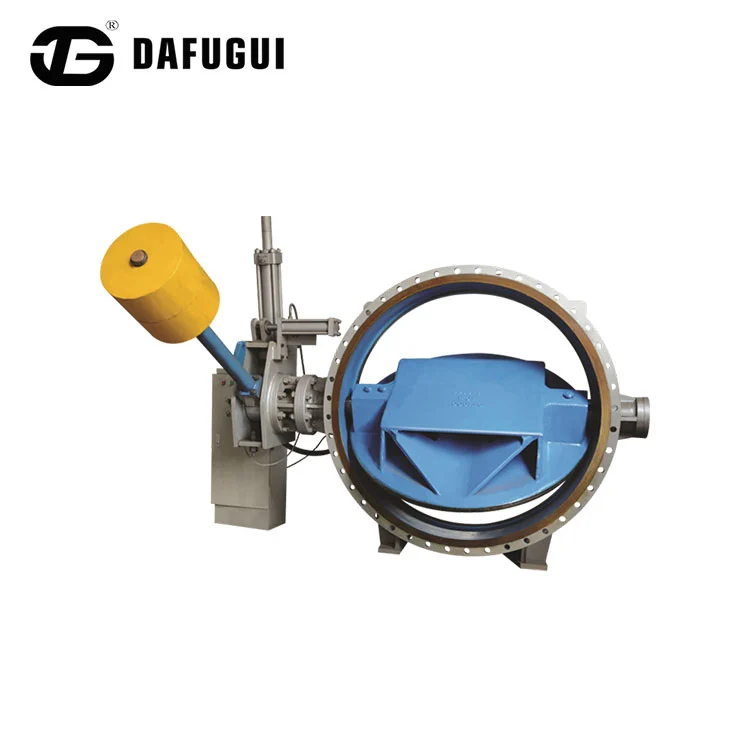
| Butterfly Buffer Check Valve | Pump stations and systems concerned with water hammer | Helps reduce shock during reverse flow conditions | Selection should match flow velocity and pump operation |
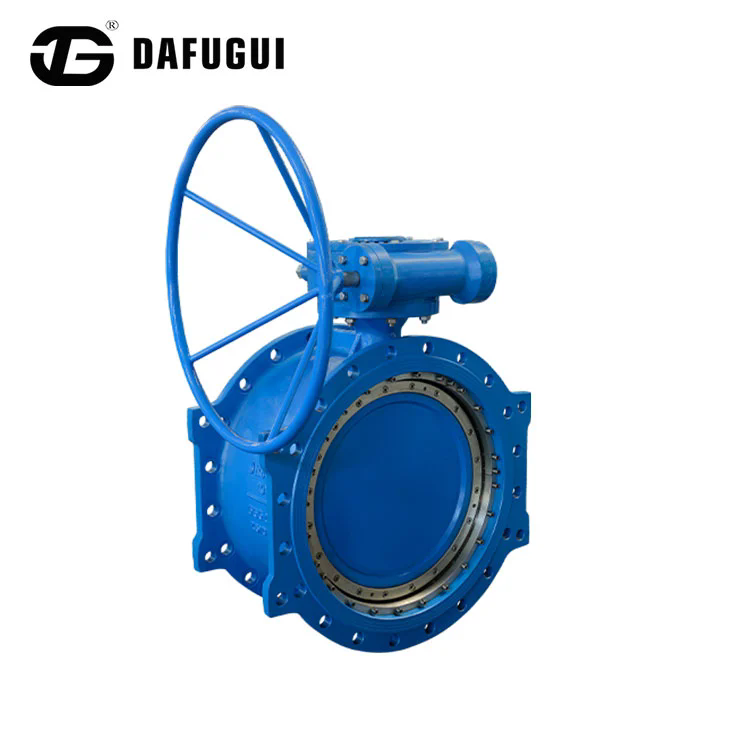
| Forged Steel Check Valve | High-pressure industrial systems | Strong body structure for demanding applications | Confirm pressure class, material grade, and connection standard |
How should a check valve be installed for stable performance?
Even a well-made check valve can fail if it is installed incorrectly. Installation affects sealing, service life, noise level, and system safety. The first rule is to follow the flow direction marked on the valve body. If the valve is installed backward, it will block normal flow or fail to prevent reverse flow.
Large valves should not be allowed to carry the weight of the pipeline. Proper pipe support is important because external stress can deform the valve body, affect the sealing surface, or create flange leakage. For systems with vibration, pressure shock, or heavy piping, independent support becomes even more important.
The valve should also be installed where flow is relatively stable. Placing a check valve too close to elbows, pumps, reducers, or other turbulence-producing components may cause disc vibration or unstable closing. In pump discharge lines, engineers should consider how the valve responds during startup and shutdown, especially when water hammer is a concern.
For lift check valves, buyers should confirm whether the selected model is suitable for horizontal or vertical installation. For swing check valves, the disc must have enough space to move freely and return properly to the seat. For rubber disc or soft-sealing designs, the medium temperature and chemical compatibility should be checked carefully.
What should buyers confirm before placing an order?
A professional check valve purchase should begin with working conditions, not just a product photo. Before ordering, prepare the following information so the supplier can recommend a suitable model.
- Pipeline size and connection standard
- Working pressure and pressure fluctuation range
- Working temperature
- Medium name and whether it is corrosive, clean, dirty, viscous, or abrasive
- Required valve body material and sealing material
- Horizontal or vertical installation position
- Expected flow rate or pump capacity
- Any concern about water hammer, noise, or rapid shutdown
- Required inspection documents, packing needs, and delivery schedule
This checklist helps avoid one of the biggest purchasing mistakes: choosing a valve only by size and price. A low-cost valve that fails early is not cheap. A suitable check valve reduces the risk of backflow, protects equipment, and supports smoother daily operation.
Why work with a manufacturer that understands application details?
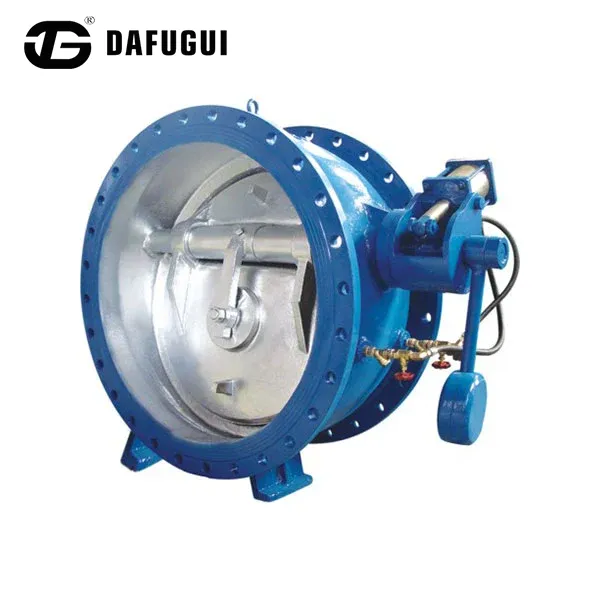
Industrial buyers often need more than a standard catalog item. Different markets may require different connection standards, pressure classes, materials, packaging methods, or documentation. A supplier who understands valve applications can help buyers reduce communication time, avoid specification errors, and select a product that fits the actual pipeline.
Dafugui Pipe Valve Co., Ltd. offers check valve products for different fluid control needs, including options suitable for water systems, industrial pipelines, pump protection, and customized project requirements. For procurement teams, this means the purchase can be based on real operating conditions instead of guesswork.
A good check valve should not be noticed every day. It should simply open when flow moves forward, close when reverse flow appears, and keep doing its job with stable sealing and manageable maintenance. That quiet reliability is exactly what buyers should expect from a well-selected valve.
FAQ
What is the main purpose of a check valve?
The main purpose of a check valve is to allow fluid to flow in one direction and prevent reverse flow. It protects pumps, pipelines, and process systems from backflow-related damage.
Can a check valve reduce water hammer?
Some check valve designs can help reduce water hammer, especially when they close in a controlled way. However, the result depends on valve type, flow velocity, pump operation, and pipeline layout.
Can a check valve be installed vertically?
Some check valves can be installed vertically, but not every type is suitable for every vertical flow direction. Buyers should confirm the installation position before ordering.
Why does a check valve make noise?
Noise may come from disc vibration, unstable flow, incorrect sizing, turbulence near the valve, or rapid closing. Proper selection and installation can reduce this problem.
How do I choose the right material for a check valve?
Material selection depends on the medium, pressure, temperature, and corrosion conditions. Stainless steel, carbon steel, forged steel, and soft-sealing materials each fit different applications.
Ready to choose a check valve for your pipeline project?
If you are selecting a check valve for water supply, pumping systems, industrial pipelines, or customized fluid control projects, Dafugui Pipe Valve Co., Ltd. can help you match the right structure, material, pressure rating, and connection type to your working conditions. For product details, technical support, or project quotations, contact us today and send your pipeline requirements to our team.
Related News
- What Is a Rubber Disc Check Valve and How Does It Ensure Reliable Backflow Prevention?
- Why Do Water Engineers Prefer Butterfly Valves for Pump Station Applications?
- How Does a Bellows Expansion Joint Protect Pipeline Systems from Thermal Expansion, Vibration, and Mechanical Stress?
- How Does Precision Socket‑weld Gate Valve Technology Enhance Safety in Corrosive Industrial Pipelines?
- What Makes Gate Valves Durable Enough for High-Temperature Steam Applications?
- Why the Socket‑weld Gate Valve Is the Preferred Choice for High‑Pressure, Corrosive Pipeline Systems?
Leave me a message