Factory-Direct Pipes With Competitive Pricing And Fast Delivery
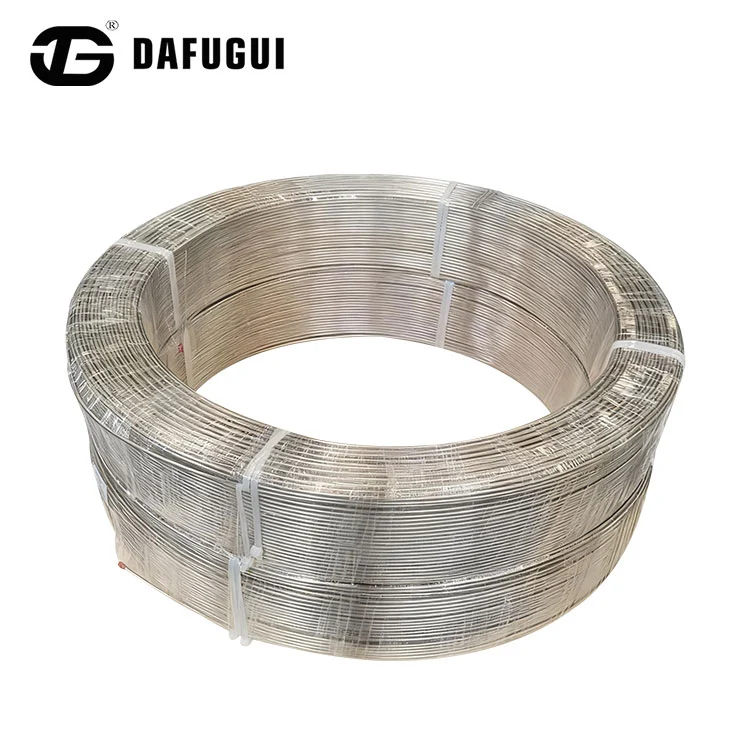
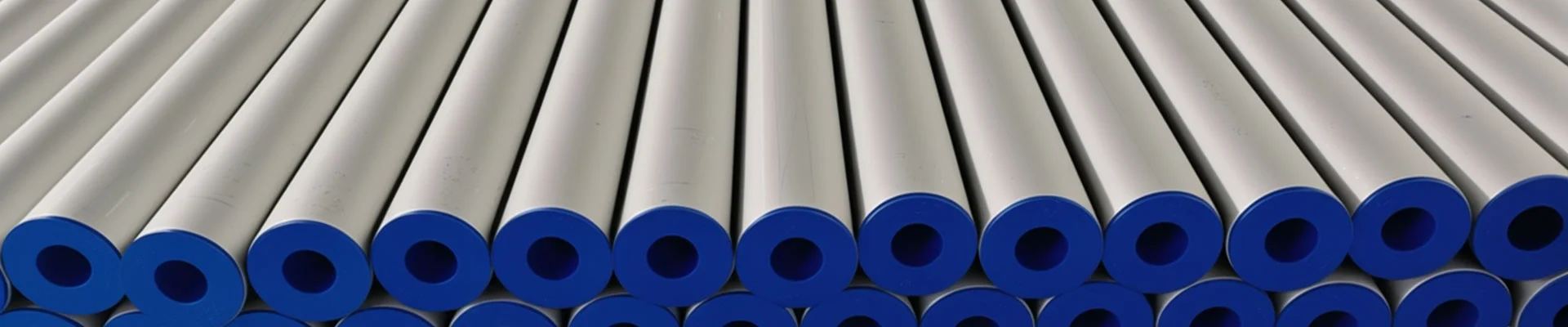
Dafugui pipes refer to devices made of pipes, pipe fittings, and valves used to transport gases, liquids, or fluids containing solid particles. Typically, fluids are pressurized by blowers, compressors, pumps, and boilers, flowing from high-pressure areas to low-pressure areas in the pipeline. Alternatively, the fluid's own pressure or gravity can be used for transport. Our pipelines have a wide range of applications, primarily in water supply, drainage, heating, gas supply, long-distance transportation of oil and natural gas, agricultural irrigation, hydraulic engineering, and various industrial installations. Below are answers to frequently asked questions about Dafugui pipes.
1. Will there be any problems connecting brand A pipes to brand B pipes?
Different brands of pipes use different raw materials, resulting in different heat fusion coefficients and cooling times. Therefore, this connection method is not recommended.
2. What is the difference between cold water pipes and hot water pipes?
Cold and hot water pipes have different wall thicknesses and can withstand different pressures. Cold water pipes withstand 16 kg/m², while hot water pipes withstand 25 kg/m². The thermal conductivity of hot water pipes is 1/200th that of metal pipes, while cold water pipes have no thermal conductivity. Hot water pipes can carry cold water, but cold water pipes cannot carry hot water. The distinction between hot and cold water pipes is mainly for economic reasons, given their price difference. If your budget allows, using all hot water pipes is also an option.
3. Why are some threaded elbows in my house not parallel or protruding from the wall after the water pipes are installed?
After the water pipes are installed, the plasterer needs to adjust the parallelism of the water pipes when sealing them. The center distance of the shower should be 15 cm, and the depth of the internal thread elbow should be based on the thickness of the wall tiles to avoid the wall tiles and the internal thread elbow of the water pipe being out of parallel or protruding from the wall surface. If the plasterer does not pay attention to these issues, it will affect the installation of sanitary ware.

- View as
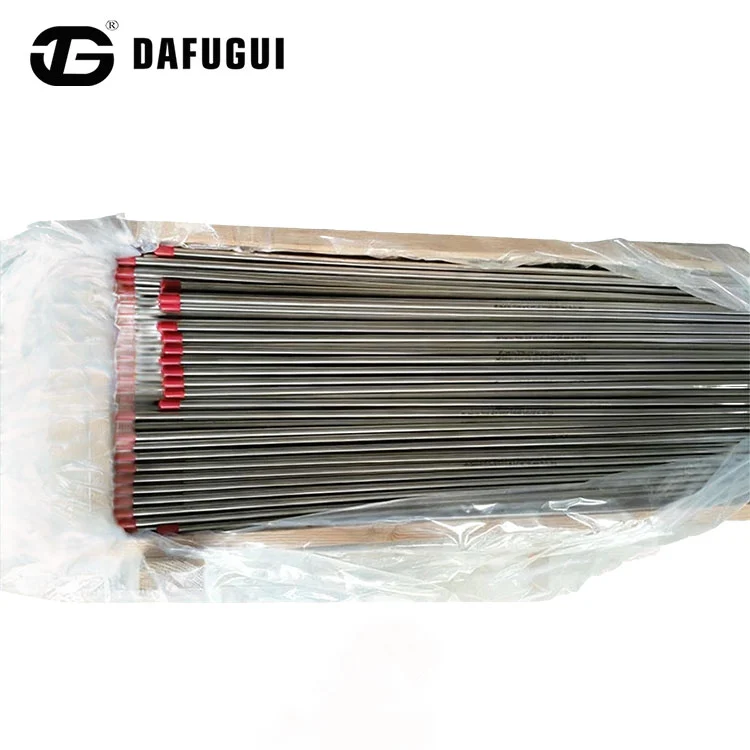
Stainless Steel Seamless Bright Annealing Tubing
At Dafugui, we offer precision, high-standard Stainless Steel Seamless Bright Annealing Tubing. Our products feature an exceptionally smooth surface, achieved through bright annealing, resulting in extremely high cleanliness. We provide a full range of materials, from the 200 series to the 400 series, offering great flexibility in our selection.
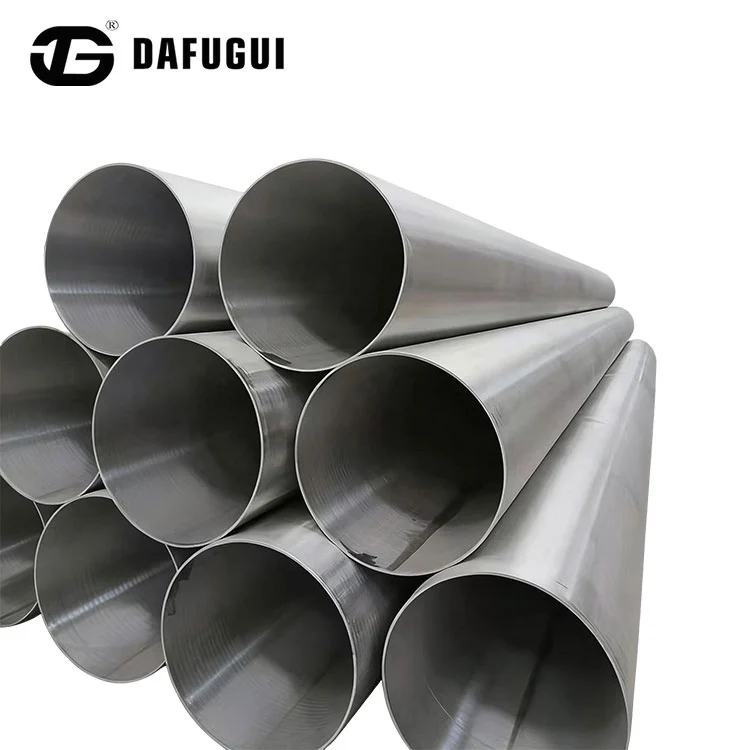
Stainless Steel Welded Pipe
Our Dafugui Stainless Steel Welded Pipes are technically reliable. We use advanced welding and heat treatment technologies, and have a sophisticated online inspection system to ensure that the quality of every weld meets the highest standards. Therefore, our pipes not only meet your daily routine needs, but also withstand the test of demanding working conditions.
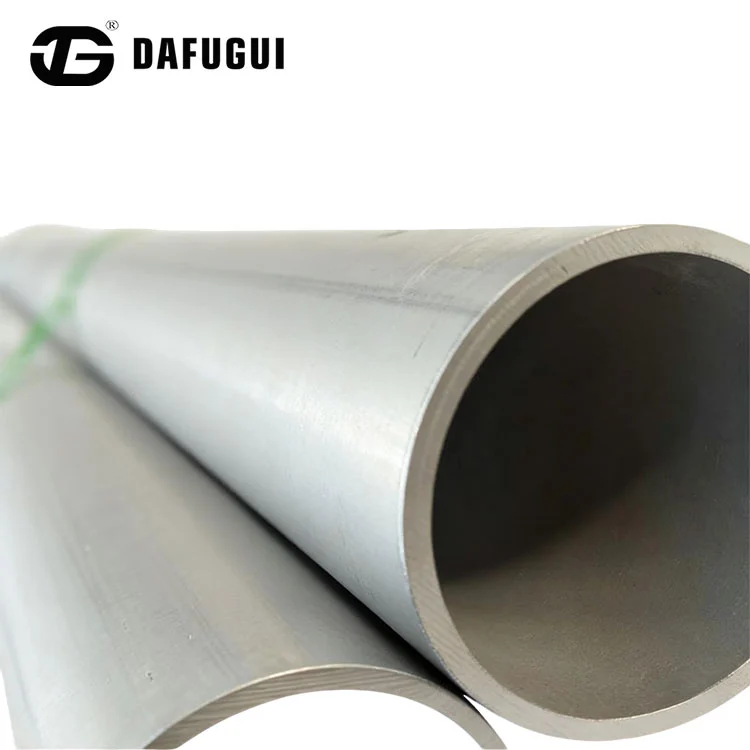
Stainless Steel Seamless Pipe
Dafugui's Stainless Steel Seamless Pipe is formed by piercing solid steel billets and then cold-drawing or hot-rolling. The entire pipe body has no weld seams. Polished and sandblasted surfaces are available, offering corrosion and heat resistance. It is suitable for petrochemical, food and beverage, and other applications. Sufficient stock is available, and customization is also supported.
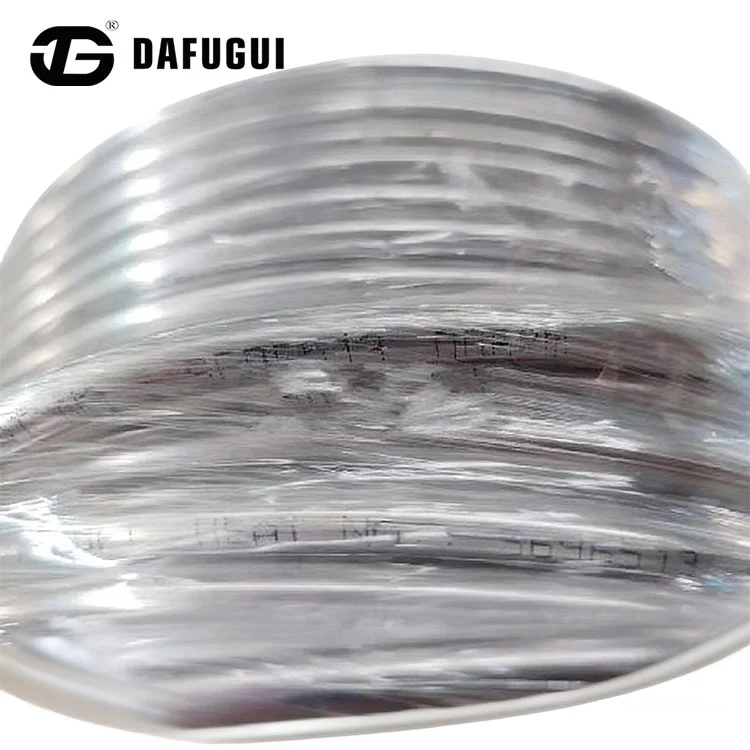
Geothermal Coil Pipe
Our Dafugui Geothermal Coil Pipe uses high-quality materials like duplex stainless steel, coupled with precise welding processes and bright annealing treatment. With this complete set, our product is truly amazing. It can withstand the corrosion of groundwater and easily cope with various stresses encountered during installation and use. Its quality is top-notch, so you can purchase it with confidence.
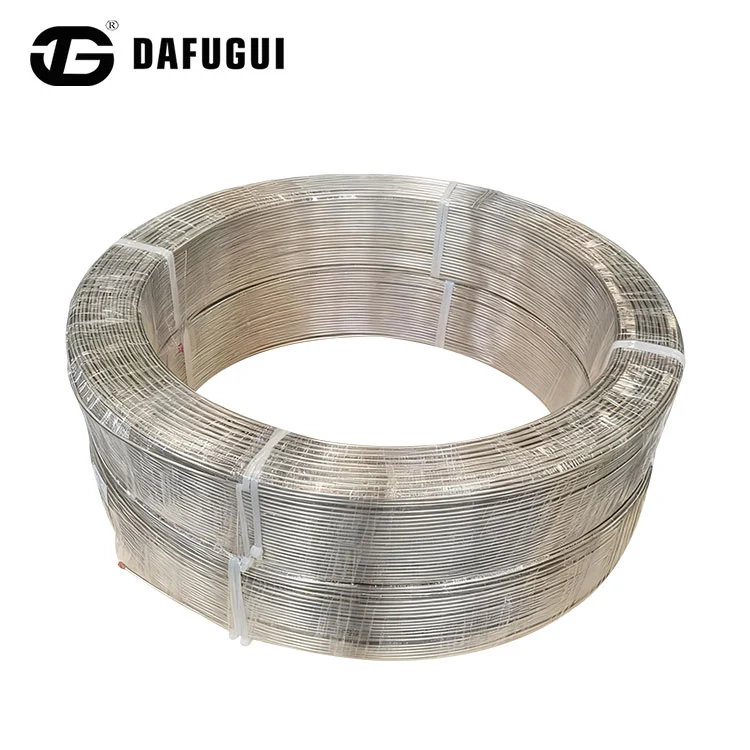
Seamless Stainless Steel Pipe
We at Dafugui are professional manufacturers with over ten years of experience supplying the oil and gas industry. We offer high-quality Seamless Stainless Steel Pipes, whose seamless design virtually eliminates the risk of leaks; we also have nuclear-grade stainless steel, which is exceptionally durable and corrosion-resistant; and we support custom manufacturing services.
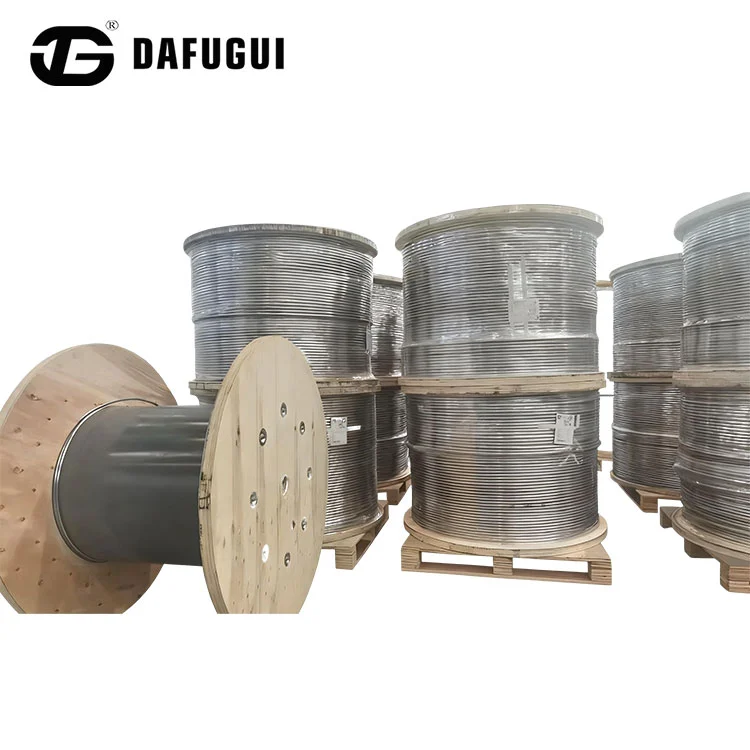
Welded Pipe
Our China Dafugui Welded Pipes are highly reliable because they utilize advanced welding processes and heat treatment technologies, ensuring absolutely high quality. If you have special requirements, don't worry, we also offer customized services, allowing us to adjust material specifications and process parameters to suit your specific application environment.
Dafugui has been producing Pipe for many years and is one of the professional manufacturers and suppliers in China. Customers are satisfied with our customized products and excellent service.