Abstract
A Desalination Plant High Salinity S32760 Threaded Pipe Flanges is a specialized piping connector engineered for seawater reverse osmosis (SWRO) facilities that face aggressive chloride attack, turbulent flow, and salt crust deposition. This article examines the metallurgical advantages of UNS S32760 super duplex steel, the design and dimensional standards of threaded flange connections, performance in high-pressure brine reject headers, installation and maintenance practices, and the quality verification steps that support reliable long-term operation in coastal desalination plants.
Table of Contents
- The Corrosion Challenge in Seawater Reverse Osmosis Systems
- Material Advantages of UNS S32760 Super Duplex Steel
- Threaded Flange Design and Dimensional Standards
- Performance in High-Pressure Brine Reject Headers
- Installation and Maintenance Best Practices
- Quality Verification and Factory Production
- Frequently Asked Questions
The Corrosion Challenge in Seawater Reverse Osmosis Systems
Seawater reverse osmosis plants operate in one of the most demanding fluid environments on earth. High chloride concentrations, elevated temperatures, dissolved oxygen, and continuous pump-induced turbulence combine to attack metallic piping components from multiple directions. In SWRO facilities, the brine reject header and chemical treatment lines are particularly vulnerable because they carry concentrated salt solutions and residual treatment chemicals at elevated pressure.
Standard stainless steels such as 316L or even 904L can suffer from pitting, crevice corrosion, and stress corrosion cracking when exposed to hot, high-salinity brine over extended periods. The failure of a single flange connection can lead to unplanned shutdowns, product loss, and costly repairs. For this reason, specification engineers increasingly look to super duplex stainless steels for critical SWRO piping joints.
Chloride Attack and Velocity Erosion
Chloride ions are the primary driver of localized corrosion in seawater systems. They penetrate passive oxide films on metal surfaces and initiate pitting at weak points, particularly in crevices where oxygen renewal is restricted. Threaded connections create natural crevices at the thread engagement zone, making material selection especially important.
At the same time, high-pressure reverse osmosis feed pumps generate turbulent flow that can erode protective surface layers. The combination of chemical attack and mechanical wear accelerates metal loss. A piping material must therefore offer both high chloride resistance and sufficient mechanical hardness to withstand velocity erosion.
Material Advantages of UNS S32760 Super Duplex Steel
UNS S32760, often designated F55 or 1.4501, is a super duplex stainless steel that balances austenitic and ferritic phases to achieve high strength and exceptional corrosion resistance. Its chemistry is specifically optimized for chloride-bearing environments, making it a strong candidate for desalination plant piping.
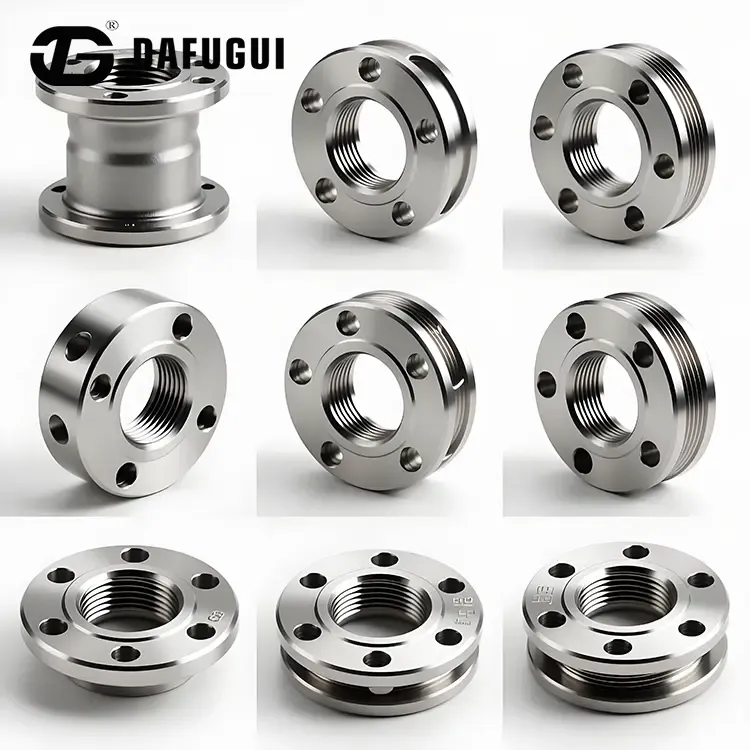
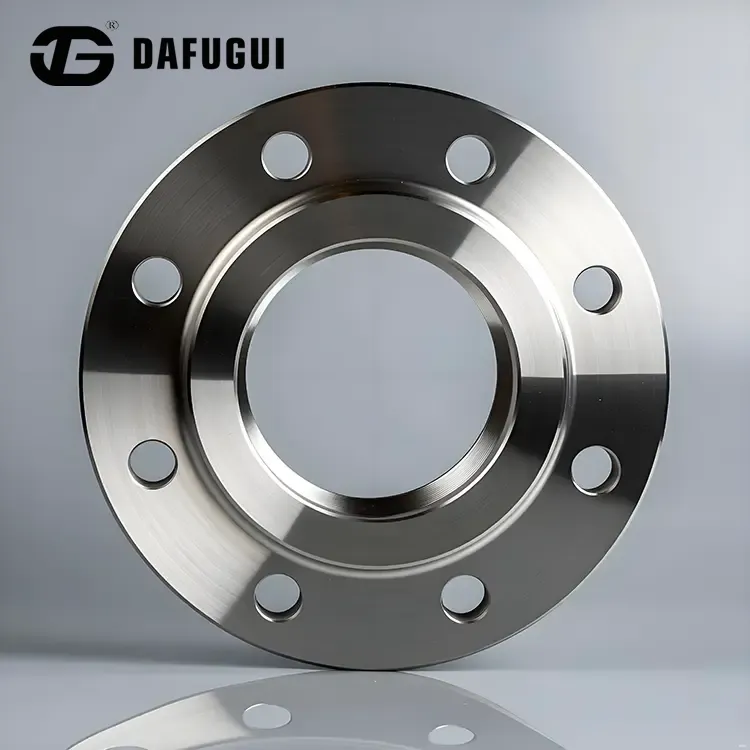
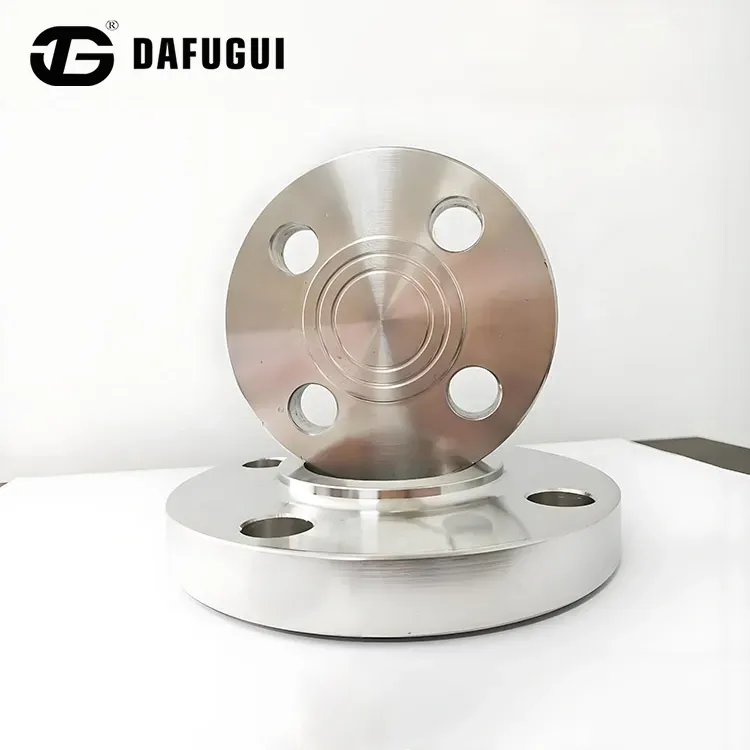
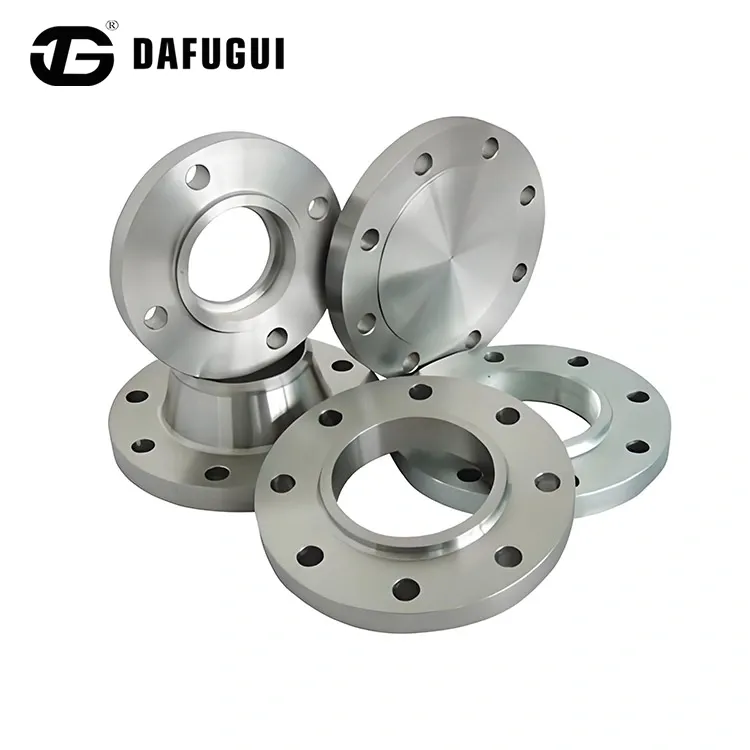
For SWRO facilities, Desalination Plant High Salinity S32760 Threaded Pipe Flanges are specified for high-pressure brine reject headers and chemical treatment lines. By removing thermal weld zones, these screw-on F55 flanges maintain uniform alloy integrity across reverse osmosis skids and manifold systems.
Optimized Chemistry for Brine Handling
The alloy composition of UNS S32760 includes chromium at 24% to 26%, molybdenum at 3% to 4%, and nitrogen at 0.2% to 0.3%. Deliberate additions of copper at 0.5% to 1.0% and tungsten at 0.5% to 1.0% further enhance resistance to chloride brine. Compared with standard 316L or 904L grades, this chemistry provides a higher pitting resistance equivalent number and better performance in hot seawater environments.
- High chromium and molybdenum content: Supports a stable passive film in chloride-rich media.
- Nitrogen alloying: Improves resistance to pitting and crevice corrosion while increasing strength.
- Copper and tungsten additions: Enhance performance in high-salinity brine and reduce susceptibility to localized attack.
- Balanced duplex microstructure: Delivers high mechanical strength with good toughness.
Uniform Material Structure Without Weld Zones
Welded joints introduce thermal cycles that can alter the microstructure of super duplex steels and create localized zones of reduced corrosion resistance. Threaded flanges avoid this problem entirely. Because the connection is mechanical, the alloy structure remains consistent across the flange body and thread area. This uniformity is a key reason why threaded S32760 flanges are preferred in reverse osmosis skids and manifold systems where reliability is critical.
Threaded Flange Design and Dimensional Standards
Threaded pipe flanges provide a practical method of connecting flanged piping without welding. The flange body contains a threaded bore that accepts a pipe with matching external threads. When the pipe is screwed into the flange, the assembly creates a mechanical joint that can be disassembled for maintenance or system reconfiguration.
The Desalination Plant High Salinity S32760 Threaded Pipe Flanges use UNS S32760 super duplex steel for the body and thread form, allowing the same corrosion-resistant alloy to serve both the flange and the connecting pipe. This avoids galvanic mismatch and simplifies material traceability across the piping system.
| Item | Standard / Specification |
| Dimensional Standards | ANSI/ASME B16.5, DIN 2566, EN 1092-1 Type 13 |
| Material Designation | ASTM A182 / ASME SA182 UNS S32760 / F55 / 1.4501 |
| Pressure Class | Class 150# to 2500# / PN10 to PN100 |
| Thread Connection | NPT (ANSI B1.20.1), BSPT (ISO 7-1), Metric Threads |
| Face Type | Raised face, flat face, or ring joint face available |
| Size Range | 1/2 inch to 24 inch, with custom sizes on request |
The dimensional standards listed above ensure that the flanges mate correctly with standard piping and equipment in desalination plants. Pressure classes from Class 150# to Class 2500# cover the range of operating pressures found in SWRO feed, brine reject, and chemical dosing lines.
Thread Types and Sealing Considerations
Threaded connections rely on the engagement between male and female threads to create a pressure-tight joint. NPT threads use a tapered form that compresses the threads as they engage, while BSPT threads follow a similar principle under ISO 7-1. Metric threads are also available for specific project requirements. Proper thread lubrication and controlled make-up torque are essential to achieve a reliable seal without damaging the thread flanks.
Performance in High-Pressure Brine Reject Headers
Brine reject headers in SWRO plants operate at high pressure and carry concentrated salt solutions that can exceed the salinity of raw seawater. The piping must contain these fluids without leakage while resisting both internal corrosion and external atmospheric attack in coastal environments.
The Desalination Plant High Salinity S32760 Threaded Pipe Flanges are designed for these duty conditions. The super duplex alloy resists chloride pitting and crevice corrosion, while the forged microstructure provides mechanical hardness that helps mitigate surface erosion under turbulent flow. The threaded design eliminates weld heat-affected zones that could become preferential corrosion sites.
Hydrostatic Pressure Testing and Dimensional Audits
Each production lot is subjected to hydrostatic shell testing at 1.5 times the nominal design rating. This verifies mechanical containment and identifies any manufacturing defects before dispatch. Dimensional consistency is checked using digital coordinate measuring machines, with critical parameters such as flange thickness, bolt hole pitch circles, and thread pitch audited against the applicable standard.
Intergranular Corrosion Resistance
Intergranular corrosion can occur in stainless steels when chromium carbides precipitate at grain boundaries during thermal processing. The S32760 flanges are evaluated according to ASTM A262 Practice E to confirm resistance to intergranular chemical attack. This test provides additional confidence for long-term service in aggressive brine media.
Installation and Maintenance Best Practices
Correct installation extends the service life of threaded super duplex flanges and prevents leaks at the connection. The following practices apply to most SWRO piping systems.
- Thread inspection: Check both male and female threads for damage, debris, or manufacturing defects before assembly.
- Clean sealing surfaces: Remove oil, dirt, and salt crust from the threads and flange faces.
- Compatible lubricant: Apply a lubricant suitable for super duplex stainless steel and the process media.
- Controlled make-up: Tighten the connection according to the recommended torque to avoid over-stressing the threads.
- Flange alignment: Ensure mating flanges are parallel and bolt holes align without forcing.
- Leak check: Pressurize the system gradually and inspect the threaded joint for weeping or seepage.
When installing Desalination Plant High Salinity S32760 Threaded Pipe Flanges, maintenance teams should record the installation torque and date for each joint. This information supports later inspection and helps identify connections that may require re-tightening after thermal cycling or pressure fluctuations.
Routine Inspection and Reassembly
Threaded connections allow straightforward mechanical disassembly during scheduled filter cleanings or membrane replacements. Unlike welded joints, they can be unthreaded and reassembled without cutting pipe spools. During reassembly, inspect the threads for galling or corrosion and replace any damaged components.
Routine inspection of Desalination Plant High Salinity S32760 Threaded Pipe Flanges focuses on thread condition, flange face condition, and signs of leakage. Salt crust deposition on external surfaces should be removed to prevent crevice corrosion under deposits. If pitting or cracking is observed, the affected flange should be replaced with a new component of the same alloy.
Quality Verification and Factory Production
Manufactured by Dafugui, these flanges are produced in dedicated fitting and flange workshops equipped with specialized cold-forming and multi-axis CNC machines. The production lines are capable of handling high-volume supply requirements for municipal desalination projects while maintaining dimensional consistency across large shipments.
Quality management follows ISO 9001 and CE frameworks. Material test certificates according to EN 10204 3.1 are supplied with heat numbers hard-stamped on the flange rims, providing full traceability from raw material to finished component.
Dedicated Fitting and Flange Lines
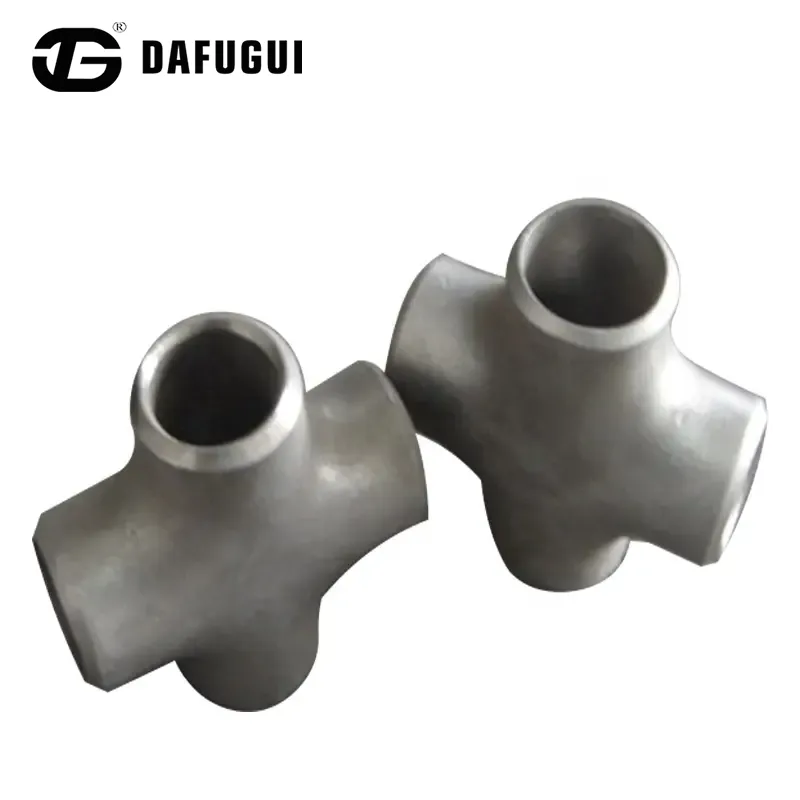
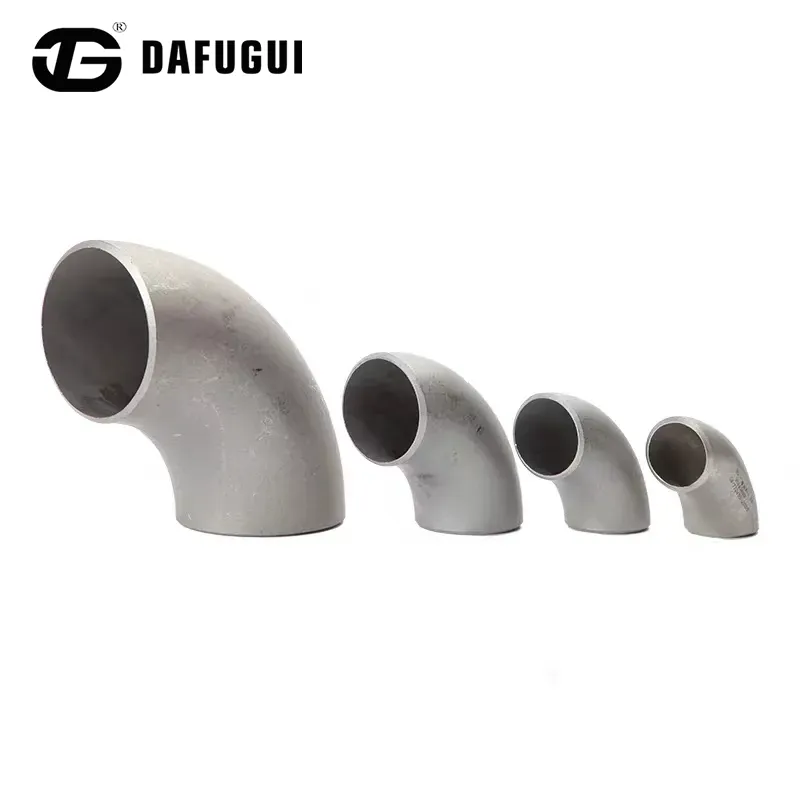
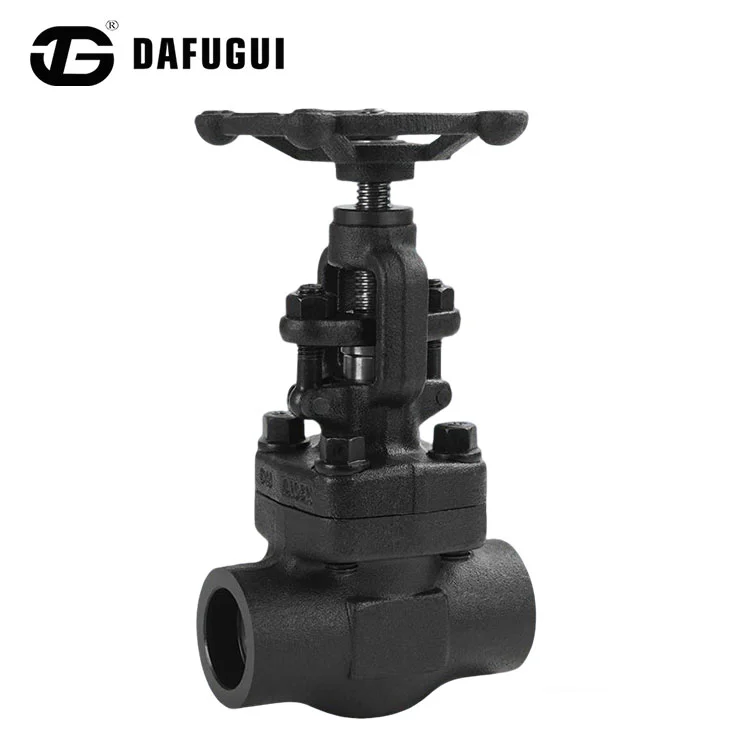
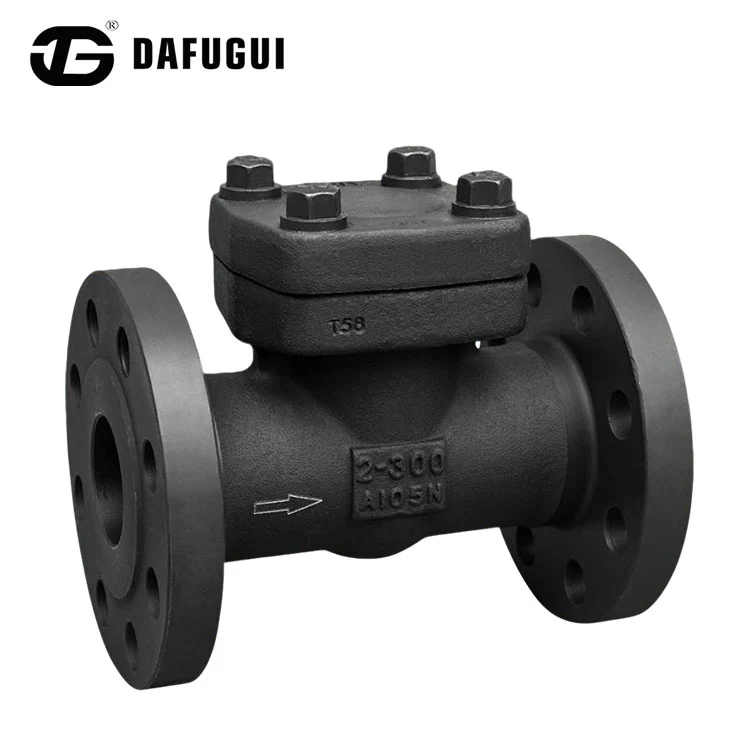
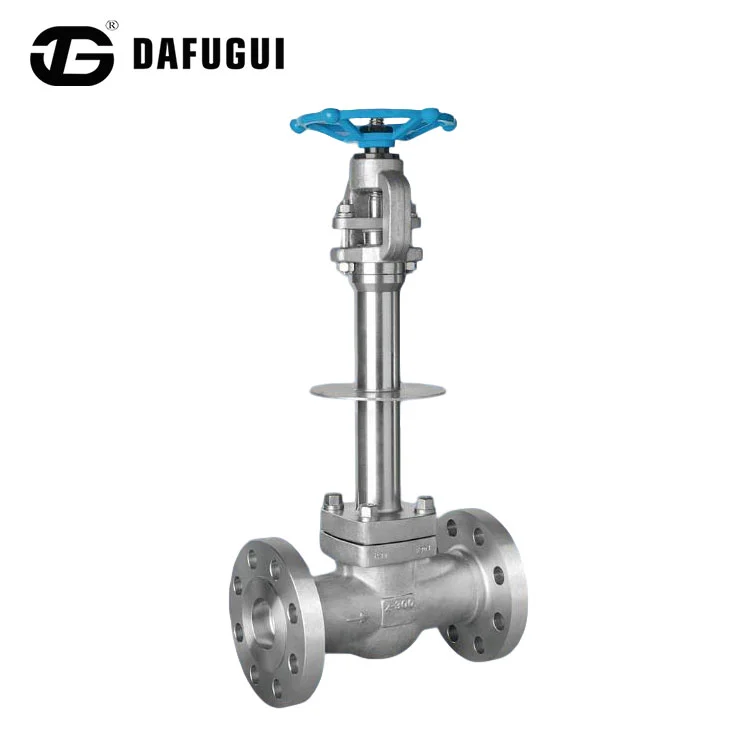
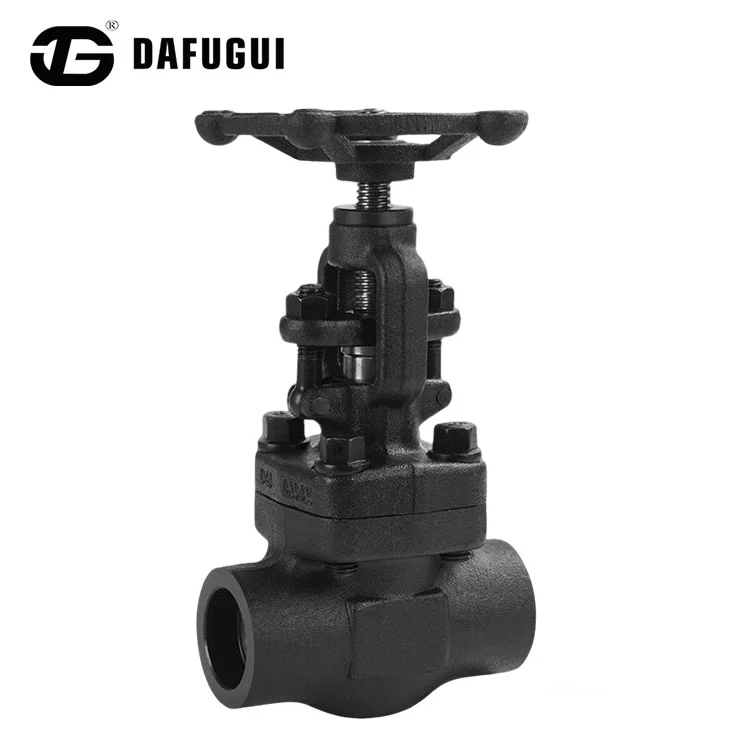
The factory operates separate production cells for threaded flanges and matching pipe fittings. This arrangement allows the manufacturer to supply complete piping packages that include elbows, tees, reducers, and valves in super duplex alloys. For desalination skid builders, a single source for multiple components simplifies procurement and ensures material compatibility across the entire piping assembly.
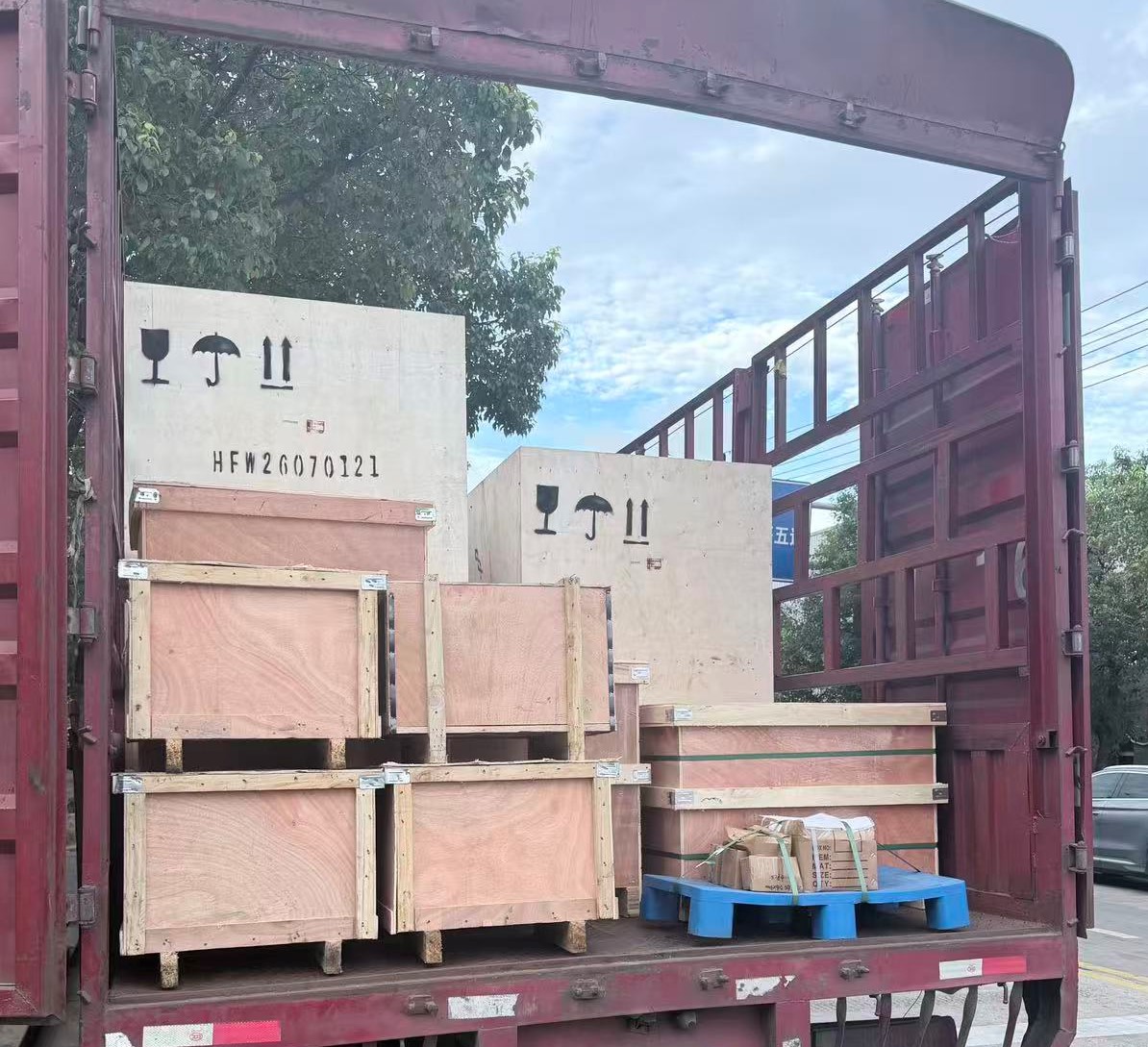
Supply and Delivery Information
- Minimum order quantity: 1 piece, supporting pilot plants and system repairs.
- Standard delivery lead time: 15 to 30 days, with air-freight options for urgent plant turnaround.
- Trade terms: EXW, FOB, and CIF according to Incoterms 2020.
- Traceability package: EN 10204 3.1 material test certificates with heat numbers.
Frequently Asked Questions
Why specify S32760 threaded flanges over standard S32750 for seawater reverse osmosis rejection lines?
UNS S32760 includes intentional additions of copper and tungsten, which enhance resistance to crevice corrosion in hot, high-salinity brine environments. These alloying elements provide an extra margin of performance in the most aggressive sections of SWRO piping.
Are threaded flanges suitable for routine maintenance disassemblies?
Yes. Threaded connections allow straightforward mechanical unthreading and reassembly during scheduled filter cleanings without cutting pipe spools. This reduces downtime and preserves the piping components for repeated service.
Can the manufacturer supply complete flange, pipe fitting, and valve packages for desalination skids?
Yes. Matching elbows, tees, reducers, and valves are produced in super duplex alloys to provide complete piping system solutions for desalination projects.
What pressure classes are available for high-salinity threaded flanges?
Standard pressure classes range from Class 150# to Class 2500#, with PN10 to PN100 available in metric standards. The appropriate class depends on the maximum operating pressure and surge conditions in the specific piping line.
How are the flanges protected against intergranular corrosion?
Production lots are evaluated according to ASTM A262 Practice E to verify resistance to intergranular chemical attack. The alloy chemistry and thermal processing are controlled to maintain a balanced microstructure.
What thread standards are available for desalination plant piping?
NPT according to ANSI B1.20.1, BSPT according to ISO 7-1, and metric threads are available. The thread standard should match the connecting pipe or equipment specified for the project.
Equip SWRO piping systems with high-salinity S32760 threaded pipe flanges that resist chloride attack, velocity erosion, and salt crust deposition. Our engineering team can help you select the right pressure class, thread standard, and alloy package for your desalination project.
Contact us for a Tailored Solution