
Why Does Check Valve Selection Matter More Than Most Buyers Expect?
Article Summary
A check valve looks simple on paper, yet it solves one of the most expensive hidden problems in a piping system: reverse flow. When the wrong valve is chosen, users often face water hammer, backflow contamination, seal wear, pump damage, noise, pressure loss, and repeated maintenance interruptions. In this article, I explain how to evaluate a Check Valve from a practical buyer’s perspective rather than from a catalog alone.
I will walk through common pain points, working principles, valve types, material selection, installation mistakes, and maintenance priorities. I will also show how a manufacturer such as Dafugui Valve Co., Ltd. can support buyers who need stable quality, flexible specifications, and application-based solutions for industrial, municipal, and building service systems.
Table of Contents
- What Will This Article Cover?
- What Problems Does a Check Valve Actually Solve?
- How Does a Check Valve Work in Real Conditions?
- Which Check Valve Type Fits Which Application?
- What Should Buyers Look For in Valve Materials?
- How Can You Choose the Right Check Valve Without Guesswork?
- What Installation Mistakes Cause Early Failure?
- How Can You Reduce Maintenance and Downtime?
- What Is the Smartest Way to Buy with Confidence?
- FAQ
Outline
- Why reverse flow is more damaging than many users realize
- How automatic opening and closing protects pumps and process lines
- The practical difference between swing, lift, spring-assisted, and rubber disc styles
- How pressure, medium, orientation, and material compatibility affect selection
- Why installation direction and pipeline layout influence performance
- What experienced buyers review before placing an order
What Problems Does a Check Valve Actually Solve?
Many buyers first think about a Check Valve only after a system begins to show symptoms. A pump stops, flow reverses, the line shocks, and suddenly the issue is no longer a minor component choice. It becomes a shutdown, a repair bill, or a complaint from the end user.
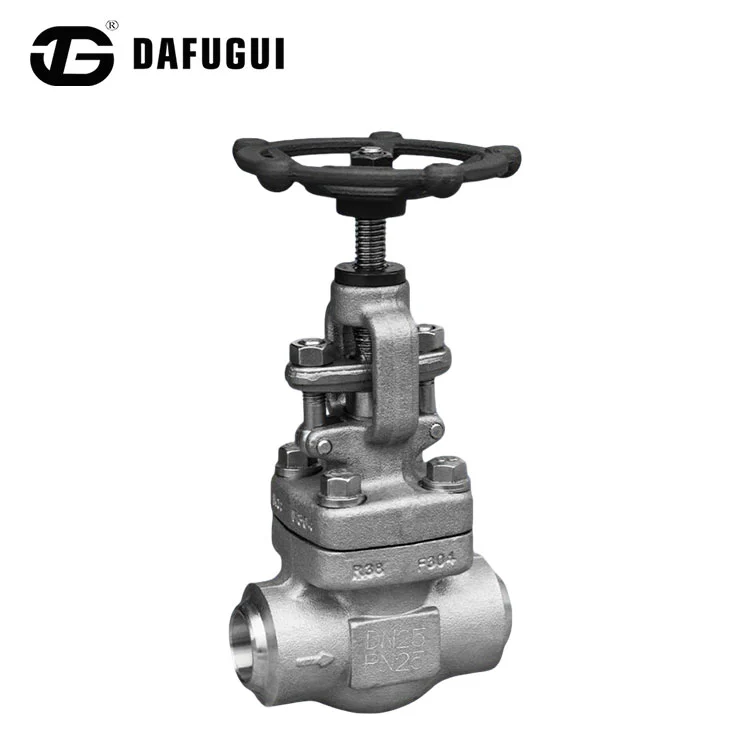
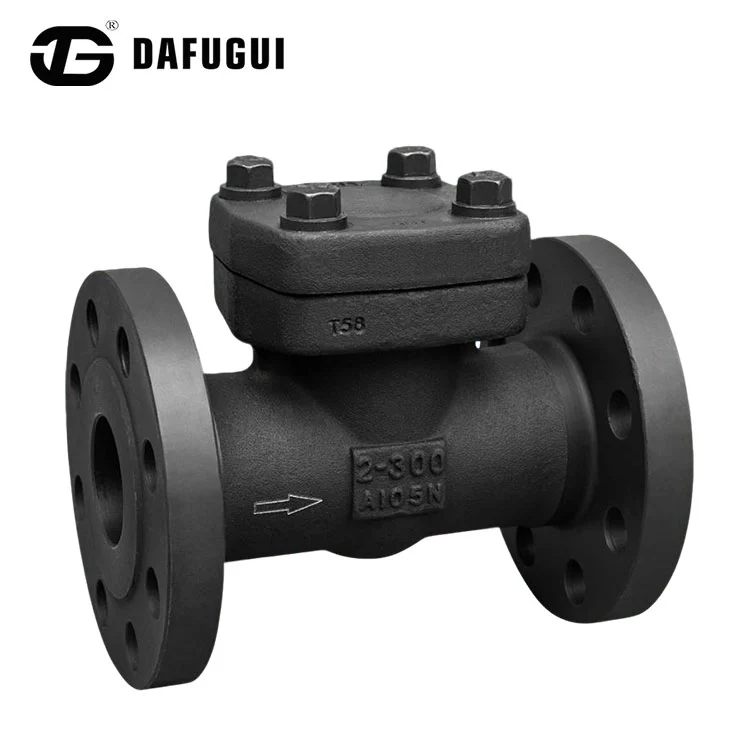
The core function of a check valve is simple: it allows flow in one direction and blocks reverse flow automatically. That sounds straightforward, but the consequences of not controlling reverse flow are serious in real operating environments. Backflow can damage pumps, disturb pressure balance, contaminate clean media, accelerate seal wear, and increase the risk of unsafe operating conditions. Dafugui’s own product description also emphasizes one-way flow control, automatic response, and application adaptability across chemical, pumping, HVAC, and fluid delivery scenarios. :contentReference[oaicite:1]{index=1}
In my experience, buyers usually care about five practical concerns:
- Preventing backflow that can damage pumps and compressors
- Reducing water hammer and sudden pressure shock
- Protecting process cleanliness and medium integrity
- Lowering pressure loss while keeping reliable shutoff
- Reducing maintenance frequency and unplanned downtime
A good valve does not just “close.” It closes at the right moment, under the right conditions, with the right sealing behavior for the medium. That is why selection matters so much more than price alone.
How Does a Check Valve Work in Real Conditions?
A check valve is an automatic valve. It does not need an external actuator to decide when to open or close. It responds to pressure differential created by the flowing medium. When forward flow pressure is high enough, the disc or internal element lifts, swings, or compresses away from the seat. When flow slows down or tries to reverse, the element returns to the seat and blocks backflow. This operating logic aligns with the customer product page, which describes automatic one-direction flow and closure driven by reverse pressure and disc behavior. :contentReference[oaicite:2]{index=2}
In theory, that sounds clean. In practice, performance depends on more than the opening-and-closing concept. Buyers should think about:
- Cracking pressure, or how much pressure is needed to open the valve
- Closing speed, especially when pump shutdown is fast
- Disc travel distance, which affects response time
- Pressure drop across the valve during normal operation
- Whether the valve is installed horizontally or vertically
This is where cheap selection often goes wrong. A valve may be technically compatible with the pipe size, but operationally unsuitable for the system dynamics. If the valve closes too slowly, reverse flow begins before sealing occurs. If it closes too aggressively, the line may suffer impact and noise. If it needs more opening force than the system provides, the valve may chatter.
Which Check Valve Type Fits Which Application?
Not every Check Valve behaves the same way. Buyers who only compare dimensions usually miss the more important question: what motion mechanism is best for the actual medium and pipeline condition?
| Valve Type | Typical Strengths | Best-Fit Applications | Watchouts |
|---|---|---|---|
| Swing Check Valve | Low resistance in full-open condition, common and widely used | General water systems, larger pipelines, steady flow service | May close more slowly in some shutdown conditions |
| Lift Check Valve | Reliable guided movement, suitable for cleaner media | Steam, condensate, process lines with controlled orientation | Installation direction matters significantly |
| Spring-Assisted Check Valve | Fast closing response, improved anti-backflow performance | Pump outlets, pulsating systems, water hammer reduction | Can create more pressure drop if not sized correctly |
| Rubber Disc Check Valve | Soft sealing behavior, smooth opening and closing | Water treatment, building systems, general utility service | Material compatibility should be verified for temperature and media |
| Buffer Check Valve | Designed to address shutdown shock and reverse surge | Pump stations, water supply networks, anti-water-hammer duty | Needs matching with system conditions rather than generic substitution |
The Dafugui product page specifically references swing and lift working principles and also highlights rubber disc and butterfly buffer styles among its listed check valve offerings. :contentReference[oaicite:3]{index=3}
For many buyers, the right answer depends on how quickly the system changes state. If your line experiences fast pump stops, surge risk, or frequent cycling, a faster-response design may be more appropriate than a basic swing structure. If your flow is relatively stable and you need low resistance in a larger line, a conventional design may be more cost-effective.
What Should Buyers Look For in Valve Materials?
Material choice is not a decorative line in a quotation. It determines corrosion resistance, temperature tolerance, seal stability, and service life. Buyers often focus on body material first, but internal trim and sealing surfaces are just as important.
I usually suggest reviewing material selection through these questions:
- Is the medium clean water, wastewater, steam, oil, gas, or corrosive chemical fluid?
- What is the maximum and normal operating temperature?
- Is the line exposed to coastal, chemical, or humid conditions?
- Does the application need metal-to-metal sealing or soft sealing?
- Is hygiene, purity, or contamination control a concern?
| Selection Factor | Why It Matters | Practical Buying Tip |
|---|---|---|
| Body Material | Affects strength, corrosion resistance, and cost | Match carbon steel, stainless steel, or forged steel to pressure and medium |
| Disc and Seat | Directly affect sealing reliability and wear life | Review repeated-cycle durability, not just initial sealing |
| Spring Material | Critical in spring-assisted models | Check fatigue resistance and chemical compatibility |
| Seal Material | Influences leakage control and temperature range | Confirm medium compatibility before approving elastomer options |
A capable manufacturer should be able to discuss these factors in application terms, not just hand over a data sheet. That is one reason buyers often prefer working with suppliers that support specification customization rather than only standard inventory models. Dafugui’s product page explicitly states factory-direct supply and customizable solutions for size, pressure, and material needs. :contentReference[oaicite:4]{index=4}
How Can You Choose the Right Check Valve Without Guesswork?
If I were evaluating suppliers for a new project, I would never choose a Check Valve based on nominal size alone. A more reliable method is to use a short selection checklist that forces the real operating conditions into the conversation.
- Confirm medium type and whether solids or debris are present
- Confirm pipe size, pressure class, and operating temperature
- Check whether installation is horizontal or vertical
- Review pump characteristics and shutdown behavior
- Decide whether low pressure loss or fast closure is the higher priority
- Ask about maintenance access and replacement cycle expectations
- Verify standards, testing, and quality consistency before ordering
Buyers who skip these questions often end up overbuying expensive valve materials they do not need, or underbuying performance where they absolutely do. The right valve is not always the most complex one. It is the one that fits the fluid behavior, the line geometry, and the maintenance reality of the site.
This is also where communication with the manufacturer matters. A supplier that understands pipeline behavior can help narrow the choice between lift, swing, spring-loaded, or buffering designs more effectively than a price list can.
What Installation Mistakes Cause Early Failure?
Even a good valve can fail early when it is installed carelessly. The product page from Dafugui points out a few practical precautions that buyers should not ignore: the valve should not be forced to bear piping weight, flow direction must follow the arrow on the body, and lift-type vertical or horizontal valves should be installed in their proper orientations. :contentReference[oaicite:5]{index=5}
In daily project work, I see these installation mistakes repeatedly:
- Installing the valve opposite to flow direction
- Using the wrong orientation for the valve design
- Allowing pipeline stress to distort the valve body
- Mounting too close to severe turbulence sources without review
- Ignoring debris flushing before startup
- Selecting a model unsuited for intermittent low-flow service
These are avoidable issues. They are not signs that check valves are unreliable. They are signs that system design, installation discipline, and product matching need to work together.
How Can You Reduce Maintenance and Downtime?
A well-chosen Check Valve should make the system quieter, safer, and easier to operate. But that outcome depends on realistic maintenance planning. Waiting for total failure is costly because backflow protection components usually fail at the exact moment they are needed most.
I recommend building maintenance around these habits:
- Inspect for abnormal noise, chatter, or repeated slam closure
- Review system pressure fluctuations after pump shutdown
- Check sealing wear and deposits during scheduled maintenance windows
- Monitor corrosion in humid or aggressive environments
- Replace worn internal parts before body replacement becomes necessary
If the application is critical, buyers should also ask suppliers about cycle durability, testing methods, spare part availability, and lead time stability. This matters especially for industrial buyers who cannot afford to stop production because a relatively small valve component was underestimated at the purchasing stage.
What Is the Smartest Way to Buy with Confidence?
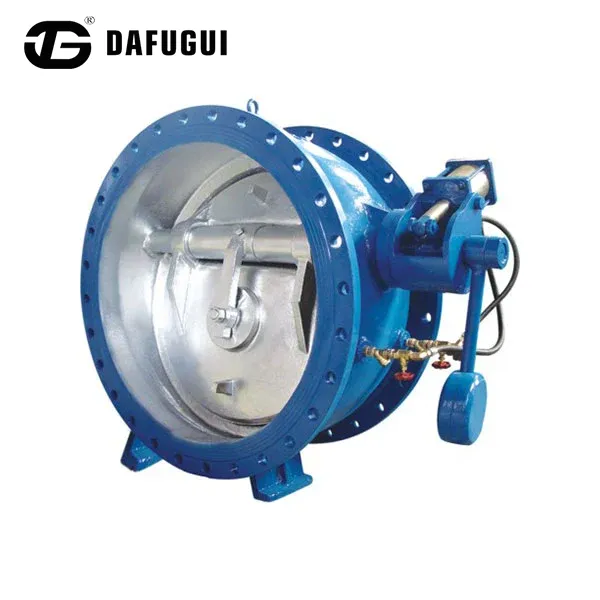
The smartest buyers do not treat a check valve as an afterthought. They treat it as a protection device that directly affects system safety, pump life, process stability, and maintenance cost. When you look at it that way, choosing the right Check Valve becomes a matter of operational discipline, not just procurement.
If your project involves water systems, industrial piping, chemical process lines, HVAC service, or high-pressure applications, it is worth working with a manufacturer that can discuss real operating conditions instead of offering only generic catalog language. Dafugui Valve Co., Ltd. presents its check valve range around one-way flow control, automatic response, installation logic, and customization support, which are exactly the details serious buyers should be reviewing before purchase. :contentReference[oaicite:6]{index=6}
The most cost-effective valve is rarely the cheapest unit on the page. It is the one that prevents reverse flow reliably, fits the pipeline correctly, and stays dependable long after installation.
FAQ
Q1: What is the main purpose of a check valve?
Its main purpose is to allow fluid to move in one direction and prevent reverse flow automatically. This helps protect pumps, maintain process stability, and reduce the risk of contamination or pressure shock.
Q2: How do I know which check valve type is right for my system?
You should review the medium, pressure, temperature, installation direction, pump behavior, and the need for fast closure versus low pressure loss. A swing type, lift type, spring-assisted type, or buffer design may each be correct in different conditions.
Q3: Why does my check valve make noise?
Noise often comes from chatter, unstable flow, rapid cycling, poor sizing, or unsuitable installation location. It may also indicate that the valve type is not well matched to the actual operating conditions.
Q4: Can a check valve reduce water hammer?
Yes, the right design can help reduce reverse flow and shutdown shock, especially in pump systems. However, not every check valve performs equally well in water hammer control, so design selection matters.
Q5: Does installation direction really matter?
Absolutely. Many failures come from incorrect orientation or ignoring the flow arrow marked on the valve body. Some designs are suitable only for horizontal or only for vertical installation.
Q6: What should I ask a supplier before placing an order?
Ask about suitable valve type, body and seal materials, pressure class, temperature range, testing standards, lead time, spare parts, and whether the supplier can support custom specifications for your exact application.
Need a Check Valve solution that matches your actual working conditions?
If you are comparing options for water supply, industrial piping, pump outlet protection, or specialized flow control systems, this is the right time to review the details before ordering. Dafugui Valve Co., Ltd. can help evaluate application requirements, recommend a suitable Check Valve structure, and support custom specifications for pressure, material, and service environment.
For project discussion, technical matching, or a quotation tailored to your requirements, contact us and let us help you choose a valve solution that works reliably in the field, not just on paper.
Related News
- Why Do Desalination Plant High Salinity S32760 Threaded Pipe Flanges Excel in SWRO Brine and Chemical Lines?
- How Does a Butterfly Valve Control Water Flow in Municipal Supply Systems?
- What Role Do Butterfly Valves Play in Hydropower Plant Penstock Flow Regulation?
- What Is a Rubber Disc Check Valve and How Does It Ensure Reliable Backflow Prevention?
- Why Do Water Engineers Prefer Butterfly Valves for Pump Station Applications?
- How Does a Bellows Expansion Joint Protect Pipeline Systems from Thermal Expansion, Vibration, and Mechanical Stress?
Leave me a message