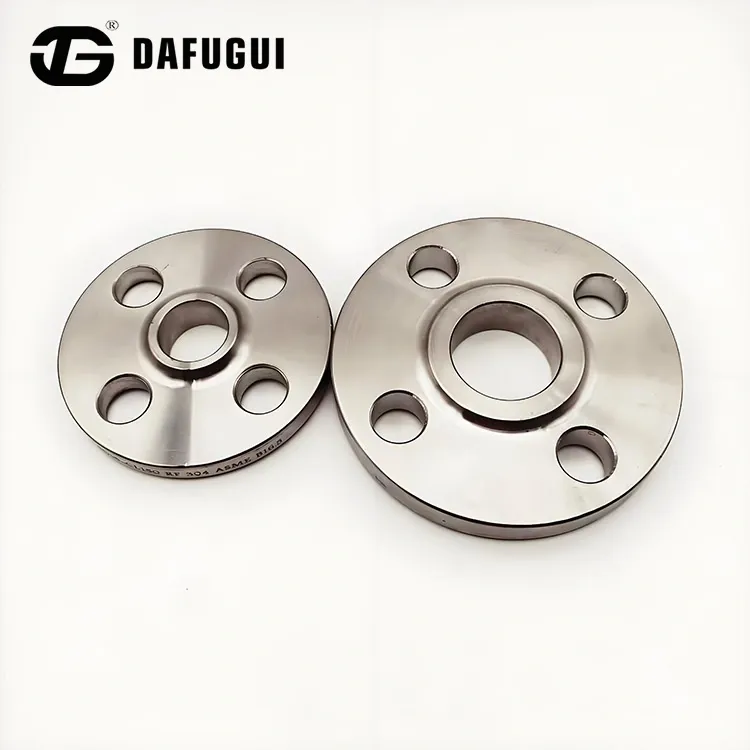

What Makes Gate Valves Durable Enough for High-Temperature Steam Applications?
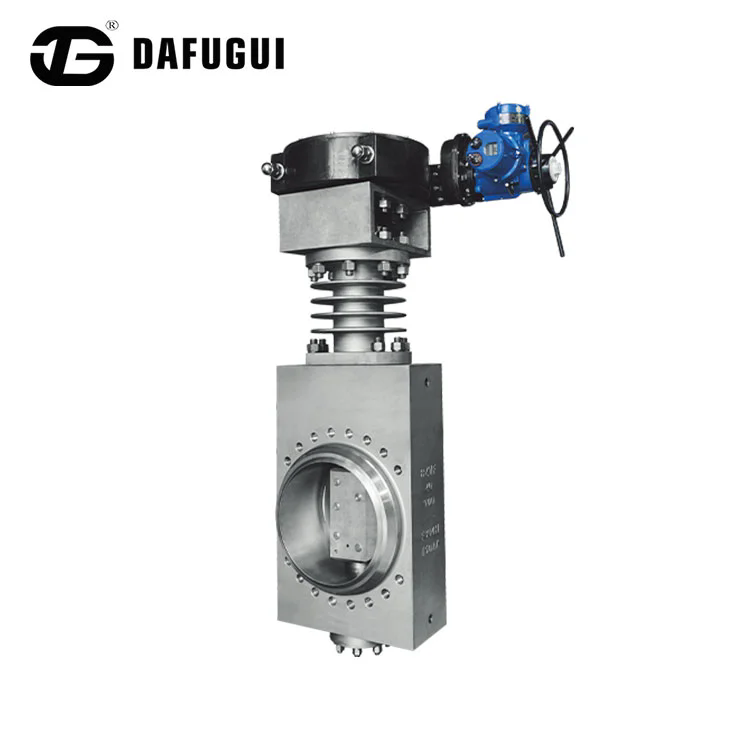
In a high-temperature steam system, the valve is the most vulnerable component. Steam at 540°C and 10 MPa carries immense thermal and mechanical energy, and the valve that controls its flow must withstand this environment repeatedly over decades. The gate valve, one of the oldest and most widely used valve types, is frequently specified for these demanding applications. Its ability to provide a tight seal in the closed position and low pressure drop in the open position makes it an attractive choice for steam systems. Yet, the failure of a gate valve in a steam application can have catastrophic consequences—unplanned shutdowns, safety hazards, and costly repairs.
This article examines the engineering principles that enable gate valves to survive and perform reliably in high-temperature steam applications. The analysis focuses on four critical areas: material selection and metallurgy, thermal stress management, sealing system design, and compliance with industry standards (API 600, ASME B16.34). The durability of a gate valve in steam service is not a matter of luck; it is the result of deliberate material choices, precision machining, and rigorous testing. This article provides the technical foundation for understanding the key factors that contribute to gate valve durability in high-temperature steam environments, supported by real-world performance data and industry best practices.
Table of Contents
- 1. Material Selection and Metallurgy
- 2. Thermal Stress Management
- 3. Sealing System Design
- 4. Compliance with Standards
- 5. Valve Sizing and Selection
- 6. Maintenance and Monitoring
- 7. Frequently Asked Questions (FAQ)
- 8. Conclusion
1. Material Selection and Metallurgy
In high-temperature steam applications, material selection is the most critical factor determining gate valve durability. The material must maintain its mechanical properties—tensile strength, yield strength, creep resistance, and oxidation resistance—at the operating temperature. The operating environment is a combination of high temperature and high pressure, with the added challenge of thermal cycling. The material must also be compatible with the steam chemistry to avoid stress corrosion cracking and other degradation mechanisms.
The primary gate valve body materials for high-temperature steam are:
- ASTM A216 WCB (Cast Carbon Steel): This is the standard material for moderate temperature steam applications (up to 425°C). WCB offers good strength and machinability, but its creep resistance degrades above 425°C. For applications above 425°C, or where long-term reliability is a concern, a chrome-molybdenum alloy is preferred.
- ASTM A217 WC6 (Chrome-Molybdenum Alloy): This material, containing approximately 1% chromium and 0.5% molybdenum, is designed for high-temperature service. It maintains good creep resistance up to 540°C and is the standard material for many high-temperature steam gate valves. The chromium provides oxidation resistance, while the molybdenum enhances high-temperature strength.
- ASTM A217 WC9 (Chrome-Molybdenum Alloy): This material, with approximately 2% chromium and 1% molybdenum, provides even higher creep resistance and is suitable for temperatures up to 565°C. It is often specified for superheated steam applications in power plants.
- ASTM A351 CF8M (Stainless Steel): This austenitic stainless steel is suitable for applications where corrosion is a concern, but its high-temperature strength is lower than chrome-molybdenum alloys. It is used in applications where the steam chemistry is aggressive.
The table below provides a comparison of the key properties of these materials:
| Material | Max. Continuous Temperature | Creep Strength (at 540°C) | Corrosion Resistance | Typical Application |
| ASTM A216 WCB | 425°C | Low | Moderate | Saturated steam, moderate temperature |
| ASTM A217 WC6 | 540°C | High | Good | Superheated steam, power generation |
| ASTM A217 WC9 | 565°C | Very High | Good | High-temperature superheated steam |
| ASTM A351 CF8M | 480°C | Low | Excellent | Corrosive steam, chemical applications |
At Dafugui Pipe Valve Co., Ltd., we select the material for our gate valves based on the specific operating conditions of the steam system. For standard saturated steam applications, we use WCB material. For superheated steam applications above 425°C, we use WC6 or WC9. We also offer stainless steel options for corrosive applications. All materials are sourced from certified suppliers and are traceable back to the original mill. We perform positive material identification (PMI) on all critical components to verify material compliance.
In addition to the body material, the trim (stem, disc, and seat rings) must also be selected for high-temperature service. The stem must have sufficient strength to operate the valve at high temperatures, and the disc and seat rings must provide a durable sealing surface.
- Stem Materials: AISI 4140, AISI 410, or AISI 420 stainless steel, or alloys such as 17-4PH or Inconel 718, are used for high-temperature stems. The stem material must have good high-temperature strength and be resistant to galling.
- Seat and Disc Materials: Hardfacing (Stellite or similar alloy) is commonly applied to the seating surfaces to provide wear resistance and to ensure a tight seal. The hardfacing is applied by welding or thermal spraying and is then machined to provide a smooth, flat surface.
The hardfacing is particularly important for steam applications, as the repeated thermal cycling can cause the seat and disc to lose their seal due to thermal expansion. The hardfacing provides a durable, wear-resistant surface that maintains its seal through multiple thermal cycles.
2. Thermal Stress Management
High-temperature steam applications impose severe thermal stresses on gate valves. The valve body, bonnet, and internal components are all subjected to thermal expansion, which can distort the components and cause misalignment. Thermal stresses can lead to binding of the stem, galling of the disc, or cracking of the body. Effective thermal stress management is essential for gate valve durability in high-temperature steam applications.
The key thermal stress management features are:
- Flexible Wedge Design: The wedge is the disc of the gate valve that moves between the seat rings to control the flow. In a solid wedge design, the wedge is a single piece. This design is simple and robust, but it can be sensitive to thermal expansion. If the wedge expands more than the seat rings (or vice versa), the valve can bind or leak. A flexible wedge design addresses this by using a wedge that is split or articulated. The flexible wedge allows the disc to conform to the seat rings, compensating for thermal expansion and maintaining a tight seal.
- Expansion Joints: Expansion joints in the valve body allow the valve to accommodate thermal expansion without distorting the body. These joints are typically located at the body/bonnet connection or at the ends of the valve. They provide a small amount of flexibility, allowing the valve to expand and contract without stressing the body.
- Proper Bolt Torquing: The bonnet bolts must be torqued to a specific value to ensure the bonnet is properly sealed and to prevent thermal distortion. Over-tightening can cause the bonnet to warp, while under-tightening can allow steam to leak past the gasket. The correct torque value is specified by the manufacturer and should be followed during assembly.
The table below provides a summary of the key thermal stress management features and their benefits:
| Feature | Description | Benefit |
| Flexible Wedge | Split or articulated disc | Compensates for thermal expansion, maintains seal |
| Expansion Joints | Allows body to accommodate expansion | Reduces stress, prevents distortion |
| Proper Bolt Torquing | Correct torque on bonnet bolts | Prevents leakage, ensures proper sealing |
| Backseat | Seal between stem and bonnet | Prevents steam leakage during operation |
In our factory at Dafugui Pipe Valve Co., Ltd., we incorporate these thermal stress management features into our gate valve designs. Our gate valves are designed with flexible wedges that provide a tight seal across the full operating temperature range. We use expansion joints in the body and bonnet to accommodate thermal expansion. We also provide detailed torque specifications for all bonnet bolts and other critical fasteners.
The integration of these thermal stress management features requires precision engineering and meticulous manufacturing. The flexible wedge must be designed with the correct dimensions and geometry to allow the disc to flex without binding. The expansion joints must be positioned to provide the necessary flexibility without weakening the body. Our experienced engineering team uses finite element analysis (FEA) to optimize the design of our gate valves, ensuring that they can withstand the thermal stresses of high-temperature steam applications.
3. Sealing System Design
In high-temperature steam applications, the sealing system is the most critical component for preventing leakage. The seal must be able to withstand high pressures and temperatures without degrading or losing its effectiveness. There are two key sealing interfaces in a gate valve: the seat-to-disc seal and the stem-to-bonnet seal. Each requires a different design approach.
The Seat-to-Disc Seal: The seat-to-disc seal is the primary seal that prevents flow through the valve when it is closed. This seal is created by the contact between the disc and the seat rings. In high-temperature steam applications, this contact must be maintained despite the thermal expansion and contraction of the components. The seat and disc must be precisely machined to provide a smooth, flat surface that creates a seal when the valve is closed. The hardfacing applied to the seating surfaces provides a durable surface that can withstand the repeated thermal cycles.
The Stem-to-Bonnet Seal: The stem-to-bonnet seal prevents steam from leaking along the stem. There are two common designs for this seal: the packing system and the backseat. The packing system uses a series of rings of a compressible material (typically graphite or PTFE) that are compressed around the stem. The compression is adjusted using a gland nut. In high-temperature steam applications, the packing material must be able to withstand the high temperatures without degrading. Flexible graphite is the preferred material, as it has excellent high-temperature stability and sealing performance.
The backseat is a secondary sealing system that provides an additional seal when the valve is fully open. The backseat is created by the contact between the stem and the bonnet. When the valve is in the fully open position, the stem is raised, and the backseat is engaged, providing an extra seal against stem leakage. This is particularly important in steam applications, where leakage can be dangerous and costly.
The table below provides a summary of the sealing system features and their importance:
| Feature | Description | Importance in Steam Service |
| Seat-to-Disc Seal | Contact between disc and seat rings | Prevents leakage through valve when closed |
| Stem Packing | Compressible material around stem | Prevents leakage along the stem |
| Backseat | Secondary seal when valve is open | Additional protection against leakage |
| Gland Nut | Compresses packing | Allows adjustment of packing compression |
At Dafugui Pipe Valve Co., Ltd., we use a graphite packing system for our gate valves. We use high-quality, flexible graphite material that is resistant to high temperatures and steam. We also incorporate a backseat in our gate valves to provide an additional seal during operation. The backseat is designed to be engaged when the valve is fully open, providing a seal that prevents steam from leaking along the stem. This feature is particularly important for steam applications where the valve must be able to shut off quickly and reliably. The packing and backseat are designed to work together to provide a comprehensive sealing system that ensures reliable operation in high-temperature steam applications.
4. Compliance with Standards
Gate valves for high-temperature steam applications must comply with industry standards to ensure they meet the required performance, safety, and reliability requirements. The primary standards governing gate valves in high-temperature steam applications are API 600 and ASME B16.34.
API 600: This standard specifies the requirements for steel gate valves for petroleum and natural gas industries. It covers the design, materials, testing, and inspection of gate valves. API 600 is widely used in the oil and gas industry, but its requirements are also applicable to steam applications. The standard specifies the pressure-temperature ratings, the dimensions of the valves, and the requirements for the materials used in construction.
ASME B16.34: This standard covers the pressure-temperature ratings of valves. It specifies the maximum allowable working pressure for different materials and temperatures. ASME B16.34 is the primary standard for pressure-temperature ratings of valves. The pressure-temperature rating is the maximum pressure that a valve can withstand at a given temperature. The valve must be rated for the maximum pressure and temperature that it will experience in the application.
In addition to these primary standards, other standards may apply, such as MSS SP-25 (marking of valves), MSS SP-61 (pressure testing), and API 598 (valve inspection and testing).
The table below provides a summary of the key standards for gate valves in high-temperature steam applications:
| Standard | Purpose | Key Requirements |
| API 600 | Design, materials, testing, inspection | Pressure-temperature ratings, dimensions, materials |
| ASME B16.34 | Pressure-temperature ratings | Maximum allowable working pressure |
| MSS SP-25 | Marking of valves | Valve identification |
| MSS SP-61 | Pressure testing | Leak test requirements |
| API 598 | Valve inspection and testing | Inspection and testing procedures |
At Dafugui Pipe Valve Co., Ltd., we manufacture our gate valves in accordance with API 600 and ASME B16.34. Our gate valves are designed, manufactured, and tested to meet the requirements of these standards. We provide documentation to verify compliance with these standards, ensuring that our gate valves are suitable for high-temperature steam applications. Our gate valves are also tested to API 598 to verify the integrity of the seal and the operability of the valve.
5. Valve Sizing and Selection
The correct sizing and selection of a gate valve for a high-temperature steam application is essential for ensuring the valve's durability and performance. The valve must be sized to handle the expected flow rate and pressure drop, and it must be selected with the appropriate materials and features for the specific operating conditions.
The key factors to consider when sizing a gate valve for high-temperature steam are:
- Flow Rate and Pressure Drop: The valve must be sized to provide the required flow rate with an acceptable pressure drop. The pressure drop across the valve is determined by the valve's flow coefficient (Cv) and the flow rate. A valve with a larger Cv will have a lower pressure drop, but it may be larger and more expensive.
- Operating Pressure and Temperature: The valve must be rated for the maximum operating pressure and temperature. The pressure-temperature rating must be determined using ASME B16.34. The valve's material must be selected based on the operating temperature.
- Service Conditions: The valve's materials and features must be suitable for the specific service conditions, such as corrosion, erosion, and thermal cycling. A valve used in a high-velocity steam system may need to be designed with erosion-resistant materials.
- Actuation: The valve may be manually operated (handwheel) or actuated (electric, pneumatic, or hydraulic). The actuation method must be selected based on the required speed of operation and the availability of a power source.
- End Connections: The valve must be selected with the correct end connections (flanged, butt-weld, or threaded) for the piping system.
The following table provides a summary of the key sizing and selection factors:
| Factor | Consideration | Impact on Durability |
| Flow Rate and Pressure Drop | Must meet system requirements | Avoids cavitation and erosion |
| Operating Pressure and Temperature | Must be within valve's rating | Prevents over-pressure and thermal damage |
| Service Conditions | Corrosion, erosion, thermal cycling | Prevents premature wear |
| Actuation | Manual or powered | Ensures reliable operation |
| End Connections | Flanged, butt-weld, or threaded | Ensures proper installation |
At Dafugui Pipe Valve Co., Ltd., we provide technical support to help our customers select the correct gate valve for their high-temperature steam applications. Our experienced team of engineers can assist with sizing calculations, material selection, and feature selection. We provide detailed product specifications and technical data to support the selection process. We also offer a valve selection tool that helps engineers identify the correct valve for their specific application.
6. Maintenance and Monitoring
Even the most durable gate valve requires regular maintenance and monitoring to ensure its continued performance. High-temperature steam applications are demanding, and the valve will eventually show signs of wear. A well-planned maintenance program can extend the life of the valve and prevent costly failures.
The key maintenance tasks for gate valves in high-temperature steam applications are:
- Visual Inspection: Regular visual inspection of the valve body, bonnet, stem, and packing. Look for signs of leakage, corrosion, or damage.
- Operability Test: The valve should be operated at regular intervals to ensure it moves freely and seals properly.
- Packing Adjustment: The packing may need to be adjusted periodically to maintain a tight seal. The packing should be compressed just enough to prevent leakage, but not so tight that it restricts the movement of the stem.
- Lubrication: The stem and other moving parts should be lubricated with a suitable high-temperature lubricant.
- Seat and Disc Inspection: If the valve is disassembled, the seat and disc should be inspected for wear or damage. If the hardfacing is worn, the valve may need to be repaired or replaced.
The table below provides a summary of the recommended maintenance tasks and their frequency:
| Maintenance Task | Frequency | Purpose |
| Visual Inspection | Monthly | Identify signs of wear or damage |
| Operability Test | Quarterly | Ensure valve moves freely and seals properly |
| Packing Adjustment | As needed (annually recommended) | Maintain a tight seal |
| Lubrication | Annually | Reduce wear on moving parts |
| Seat and Disc Inspection | Every 5 years or as needed | Check for wear or damage |
In addition to the regular maintenance tasks, the valve should also be monitored for signs of impending failure. This can be done through the use of diagnostic tools, such as vibration analysis or acoustic monitoring. Early detection of problems can prevent costly failures. We recommend that a comprehensive maintenance program be developed for each valve based on its specific application and operating conditions. Our factory provides comprehensive technical support and documentation to assist with the maintenance of our gate valves, including detailed maintenance procedures, recommended inspection intervals, and troubleshooting guides.
7. Frequently Asked Questions (FAQ)
Question 1: What is the maximum temperature that a gate valve can withstand?
Answer: The maximum temperature a gate valve can withstand depends on the body material and the pressure rating. A gate valve with a WCB body is typically rated for temperatures up to 425°C. A gate valve with a WC6 body is rated for temperatures up to 540°C. A gate valve with a WC9 body can handle temperatures up to 565°C. The pressure rating also decreases as the temperature increases. Always check the valve's pressure-temperature rating to ensure it is suitable for the specific application.
Question 2: How does the flexible wedge design improve the durability of a gate valve?
Answer: The flexible wedge design improves durability by compensating for thermal expansion of the valve components. In a fixed wedge design, the wedge and the seat rings can expand at different rates, causing the valve to bind or leak. A flexible wedge design uses a split or articulated disc that can flex, maintaining contact with the seat rings even as the components expand. This reduces the stress on the valve and extends its service life.
Question 3: What is the difference between a solid wedge and a flexible wedge gate valve?
Answer: A solid wedge gate valve uses a single-piece wedge. This design is simple and robust but can be sensitive to thermal expansion, causing binding or leakage. A flexible wedge gate valve uses a split or articulated wedge that can flex, providing better sealing performance and extended service life, especially in high-temperature applications.
Question 4: What are the common failure modes for gate valves in high-temperature steam applications?
Answer: The common failure modes for gate valves in high-temperature steam applications include: thermal fatigue causing cracking of the body or bonnet; erosion of the seating surfaces due to high-velocity steam; galling of the stem; and failure of the packing due to thermal degradation. Regular inspection and proper maintenance can prevent many of these failures.
Question 5: How can I extend the service life of a gate valve in a steam application?
Answer: To extend the service life of a gate valve in a steam application: select the correct material and design for the application; ensure the valve is properly installed and torqued; perform regular maintenance, including visual inspection, operability checks, and packing adjustment; and monitor for signs of wear or damage.
8. Conclusion
The durability of a gate valve in high-temperature steam applications is the result of careful engineering across multiple dimensions: material selection, thermal stress management, sealing system design, and compliance with industry standards. The materials used in construction must be compatible with the operating temperature and pressure, and the design must accommodate the thermal expansion of the components. The sealing system must be robust enough to maintain a tight seal under repeated thermal cycling, and the valve must comply with industry standards such as API 600 and ASME B16.34.
At Dafugui Pipe Valve Co., Ltd., we have integrated these engineering principles into our gate valve products. Our gate valves are manufactured using high-quality materials and precision machining, and they are rigorously tested to ensure they meet the required performance and reliability standards. We provide comprehensive technical support to assist our customers with valve selection, sizing, and maintenance. Our gate valves are a reliable choice for high-temperature steam applications, delivering the performance and durability that industrial users demand.
Contact Dafugui Pipe Valve Co., Ltd. today to learn more about our gate valve products and how we can support your high-temperature steam applications.
Related News
- What Makes Metal-Sealed Butterfly Valves Ideal for High-Velocity Hydro Turbine Service?
- Why Is Quick Shut-Off Capability of Butterfly Valves Essential for Turbine Protection?
- What Role Do Butterfly Valves Play in Protecting Pumps from Surge Pressure Events?
- Why Do Desalination Plant High Salinity S32760 Threaded Pipe Flanges Excel in SWRO Brine and Chemical Lines?
- How Does a Butterfly Valve Control Water Flow in Municipal Supply Systems?
- What Role Do Butterfly Valves Play in Hydropower Plant Penstock Flow Regulation?
Leave me a message
New Products
News Recommendations