
Why Do Water Engineers Prefer Butterfly Valves for Pump Station Applications?
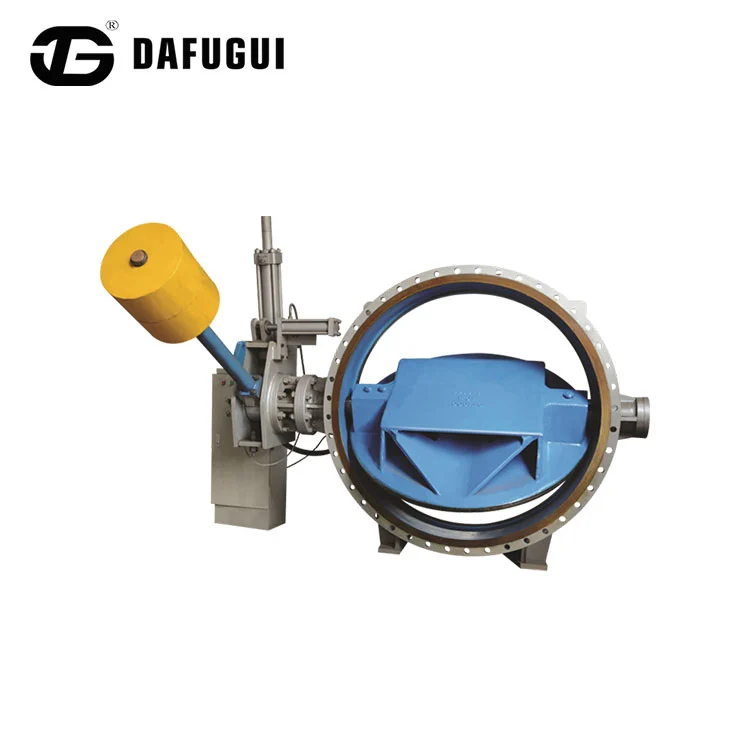
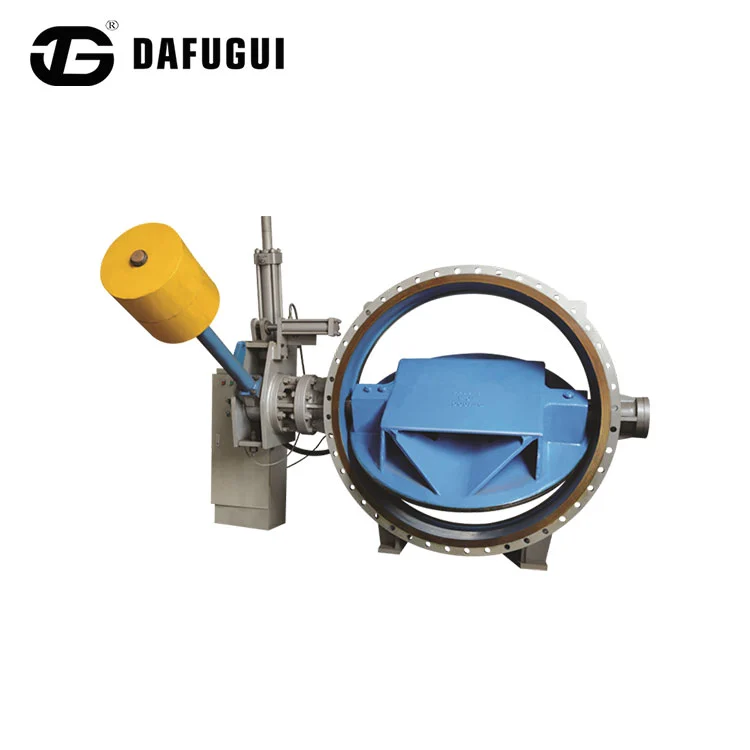
Walk into any municipal water pump station, and you will see them: rows of valves controlling the flow of water through massive pumps, headers, and discharge lines. For decades, the gate valve was the default choice for these critical isolation points. But over the past twenty years, a quiet revolution has taken place. Water engineers have increasingly specified Butterfly Valves for pump station applications. The reason is not a single factor but a combination of advantages that make the Butterfly Valve uniquely suited to the demands of modern water infrastructure. From the compact wafer design that saves space in crowded valve galleries to the quarter-turn operation that enables rapid isolation, the Butterfly Valve has proven itself as a reliable, efficient, and cost-effective solution.
A Butterfly Valve is a quarter-turn valve that uses a rotating disc to control flow. The disc is mounted on a shaft and rotates within the valve body. When the disc is perpendicular to the flow, the valve is closed. When it is parallel to the flow, the valve is open. The seal is created by an elastomeric seat that contacts the disc edge. This simple design offers several advantages over other valve types: it is compact, lightweight, and requires low operating torque. It can be operated manually with a handwheel or lever, or automated with an electric or pneumatic actuator. And it provides bubble-tight shutoff, which is essential for pump isolation. This article will examine why water engineers prefer Butterfly Valves for pump station applications, covering the technical advantages, the key specifications, and the practical considerations that drive this preference. We will also provide detailed specifications for our Butterfly Valve products from our factory at Dafugui Pipe Valve Co., Ltd.
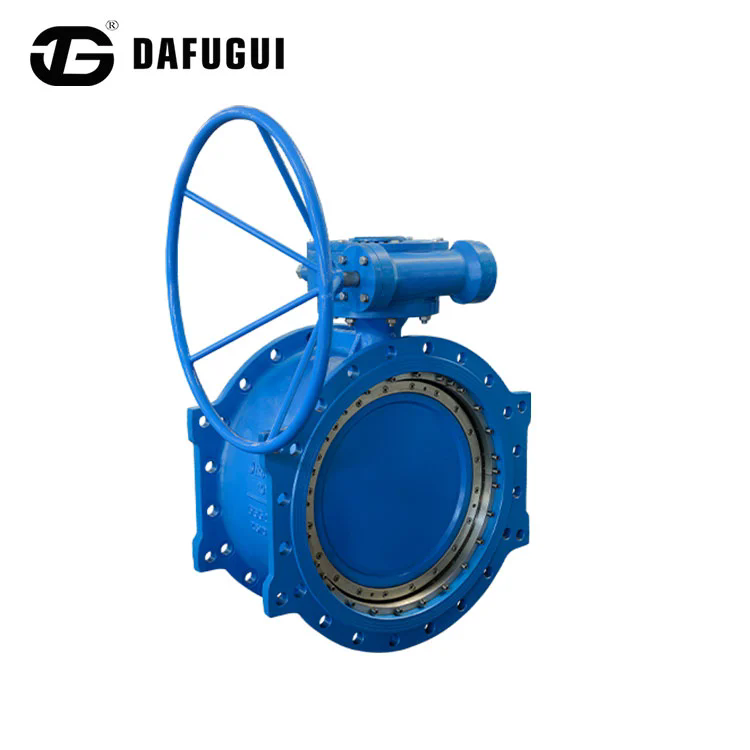
Table of Contents
- 1. What Is a Butterfly Valve and How Does It Work?
- 2. Why Does Compact Design Matter in Pump Stations?
- 3. How Does Low Torque Improve Operability and Automation?
- 4. What Sealing Technologies Ensure Bubble-Tight Shutoff?
- 5. How Does a Butterfly Valve Compare to Gate and Ball Valves?
- 6. What Are the Key Specifications for Pump Station Butterfly Valves?
- 7. Frequently Asked Questions (FAQ)
- 8. Conclusion
1. What Is a Butterfly Valve and How Does It Work?
A Butterfly Valve is a quarter-turn valve that regulates flow using a circular disc mounted on a central shaft. The disc rotates within the valve body. In the closed position, the disc is perpendicular to the flow path, blocking the passage of fluid. In the open position, the disc is parallel to the flow, allowing fluid to pass with minimal resistance. The seal is created by an elastomeric seat that is either bonded to the valve body (resilient seat) or replaceable (PTFE seat). The shaft is connected to an operating mechanism—a lever, a handwheel, or an actuator—that rotates the disc. The valve is typically installed between two flanges, hence the term "wafer" design. It can also be lugged, which allows the valve to be installed at the end of a pipe without a downstream flange.
The design of a Butterfly Valve offers several inherent advantages for pump station applications. The first is its compact face-to-face dimension. A Butterfly Valve takes up much less space than a gate valve of the same diameter. This is critical in pump stations, where the valve gallery is often crowded with pumps, pipes, and other equipment. The second is its low weight. A Butterfly Valve is significantly lighter than a gate valve, which makes installation easier and reduces the structural load on the piping system. The third is its quarter-turn operation. The disc only rotates 90 degrees, which means the valve can be opened or closed quickly. This is essential for emergency isolation and for pump start-up and shutdown procedures. The table below summarizes the basic components of a Butterfly Valve.
| Component | Function | Typical Material |
| Body | Houses the disc and seat; connects to pipeline | Cast Iron, Ductile Iron, Stainless Steel |
| Disc | Rotates to control flow | Ductile Iron, Stainless Steel, Aluminum Bronze |
| Shaft | Connects disc to operating mechanism | Stainless Steel |
| Seat | Provides sealing against the disc | EPDM, NBR, PTFE |
| Operator | Rotates the shaft (lever, handwheel, actuator) | Various |
At Dafugui Pipe Valve Co., Ltd., our factory manufactures Butterfly Valves for pump station applications in a range of sizes and configurations. We offer wafer and lug designs, resilient and PTFE seats, and manual and automated operators. Our engineering team works closely with water engineers to select the optimal valve for each application, ensuring reliable performance and long service life.
2. Why Does Compact Design Matter in Pump Stations?
The compact design of a Butterfly Valve is one of the most important reasons for its popularity in pump stations. A pump station is a complex assembly of pumps, motors, pipes, valves, and controls. Space is always at a premium. The valve gallery must provide enough room for maintenance access, but it also must be as small as possible to reduce construction costs. A Butterfly Valve takes up significantly less space than a gate valve or a ball valve of the same diameter. For example, a 12-inch (DN300) Butterfly Valve has a face-to-face dimension of approximately 78mm, while a gate valve of the same size has a face-to-face dimension of approximately 300mm. This means that a Butterfly Valve can save over 220mm of space per valve. In a pump station with dozens of valves, this space savings is substantial. The table below compares the face-to-face dimensions of Butterfly Valves and gate valves for common sizes.
| Size (DN) | Butterfly Valve Face-to-Face (mm) | Gate Valve Face-to-Face (mm) | Space Saved (mm) |
| 100 | 56 | 230 | 174 |
| 150 | 56 | 280 | 224 |
| 200 | 60 | 330 | 270 |
| 300 | 78 | 420 | 342 |
| 400 | 102 | 510 | 408 |
| 600 | 140 | 610 | 470 |
The space savings provided by Butterfly Valves translates directly into cost savings for the pump station. A smaller valve gallery means less concrete, less structural steel, and less land. It also means shorter pipe runs, which reduces pressure losses and pumping costs. In a large municipal pump station, the savings can be significant. At our factory, we design our Butterfly Valves to be as compact as possible without compromising performance. We use finite element analysis (FEA) to optimize the body and disc geometry for strength and flow characteristics. Our goal is to provide a valve that is both compact and reliable.
3. How Does Low Torque Improve Operability and Automation?
The low operating torque of a Butterfly Valve is another key advantage for pump station applications. Torque is the force required to turn the valve shaft. In a gate valve, the torque is high because the gate must be lifted against the flow and the friction of the stem packing. In a Butterfly Valve, the torque is much lower because the disc rotates through the flow rather than against it. The low torque means that the valve can be operated manually with a small handwheel or lever, even for large sizes. It also means that the valve can be automated with a smaller, less expensive actuator. This is particularly important in pump stations, where many valves are automated for remote control and process optimization. The table below compares the operating torque of Butterfly Valves and gate valves for common sizes.
| Size (DN) | Butterfly Valve Torque (Nm) | Gate Valve Torque (Nm) | Torque Reduction |
| 100 | 30 | 80 | 62% |
| 150 | 50 | 150 | 67% |
| 200 | 80 | 250 | 68% |
| 300 | 150 | 500 | 70% |
| 400 | 250 | 800 | 69% |
| 600 | 500 | 1,500 | 67% |
The low torque of the Butterfly Valve has several practical benefits. First, it makes manual operation easier and faster. A single operator can open or close a large Butterfly Valve with a simple lever. Second, it reduces the size and cost of the actuator. A smaller actuator consumes less energy and requires less maintenance. Third, it reduces the stress on the valve shaft and bearings, extending the life of the valve. At Dafugui, our factory designs our Butterfly Valves for low operating torque. We use precision bearings and low-friction seat materials to minimize torque. We also offer a range of operators, including manual levers, handwheels, electric actuators, and pneumatic actuators, to suit different automation requirements.
4. What Sealing Technologies Ensure Bubble-Tight Shutoff?
Bubble-tight shutoff is essential for pump station applications. When a pump is isolated for maintenance, the valve must completely stop the flow of water. Even a small leak can cause safety hazards, water damage, and process inefficiency. The sealing system of a Butterfly Valve is therefore a critical design feature. The most common sealing technology is the resilient seat, which is made from an elastomeric material such as EPDM or NBR. The seat is bonded to the valve body, and when the disc closes, it compresses against the seat, creating a tight seal. The seat material must be compatible with the water chemistry and the operating temperature. For higher temperatures or more aggressive water, a PTFE seat may be used. The table below summarizes the sealing technologies used in our Butterfly Valves.
| Seat Material | Temperature Range | Chemical Resistance | Typical Application |
| EPDM | -40°C to +120°C | Excellent in water, steam, and mild chemicals | Potable water, wastewater, pump stations |
| NBR | -30°C to +100°C | Good in water, oil, and fuel | Water with oil contamination |
| PTFE | -50°C to +200°C | Excellent in aggressive chemicals | Chemical processing, high-temperature water |
| Viton (FKM) | -20°C to +200°C | Excellent in chemicals and high temperatures | Aggressive water, high-temperature applications |
At our factory, we use only high-quality seat materials from reputable suppliers. We test every valve for leakage at the maximum operating pressure before it is shipped. We also offer a range of seat designs, including bonded seats and replaceable seats, to suit different maintenance preferences. Our goal is to provide a Butterfly Valve that delivers reliable, bubble-tight shutoff throughout its service life.
5. How Does a Butterfly Valve Compare to Gate and Ball Valves?
When selecting a valve for a pump station application, engineers have several options, including gate valves, ball valves, and Butterfly Valves. Each type has its own strengths and weaknesses, and the choice depends on the specific requirements of the application. The table below compares the key characteristics of these valve types.
| Characteristic | Butterfly Valve | Gate Valve | Ball Valve |
| Face-to-Face Dimension | Compact | Long | Moderate |
| Weight | Light | Heavy | Moderate |
| Operating Torque | Low | High | Moderate |
| Operation | Quarter-turn | Multi-turn | Quarter-turn |
| Sealing | Bubble-tight | Good | Bubble-tight |
| Pressure Drop | Low | Very Low | Low |
| Cost | Low-Medium | Medium | Medium-High |
| Typical Application | Pump isolation, flow control | Isolation (fully open/closed) | Isolation, flow control |
As the table shows, the Butterfly Valve offers the best combination of compactness, low weight, low torque, and cost-effectiveness for pump station applications. While the gate valve has a lower pressure drop when fully open, the Butterfly Valve's pressure drop is acceptable for most pump station applications, especially when the valve is properly sized. The ball valve offers excellent sealing but is more expensive and bulkier than the Butterfly Valve. At Dafugui Pipe Valve Co., Ltd., we have extensive experience in supplying Butterfly Valves for pump stations and can provide technical support to help you select the right valve for your application.
6. What Are the Key Specifications for Pump Station Butterfly Valves?
The key specifications for a Butterfly Valve used in pump station applications include the size, the pressure rating, the body material, the disc material, the shaft material, the seat material, the end connection, and the operator type. The table below provides a summary of the typical specifications for our Butterfly Valves.
| Specification | Range | Notes |
| Size | DN50 - DN1200 (2" - 48") | Larger sizes available on request |
| Pressure Rating | PN10 - PN25 (Class 150) | Higher ratings available |
| Body Material | Cast Iron, Ductile Iron, Stainless Steel | Ductile Iron for higher strength |
| Disc Material | Ductile Iron, Stainless Steel, Aluminum Bronze | Stainless Steel for corrosion resistance |
| Shaft Material | Stainless Steel 416, 304, 316 | 316 for corrosive water |
| Seat Material | EPDM, NBR, PTFE, Viton | EPDM standard for water |
| End Connection | Wafer, Lug, Flanged | Wafer most common for pump stations |
| Operator | Lever, Handwheel, Electric, Pneumatic | Electric for remote control |
| Design Standard | API 609, EN 593, ISO 5752 | Compliance with international standards |
At our factory, we manufacture Butterfly Valves to meet these specifications and more. We can customize the valve to suit specific project requirements, including special materials, special end connections, and special operating mechanisms. Our engineering team can assist with the selection process and provide detailed technical data for your project.
7. Frequently Asked Questions (FAQ)
Question 1: What is the difference between a wafer and a lug Butterfly Valve?
Answer: A wafer Butterfly Valve is designed to be installed between two flanges. The valve is held in place by the flange bolts, which pass through the valve body. A lug Butterfly Valve has threaded inserts on the body that allow it to be installed at the end of a pipe without a downstream flange. The lug design is useful for dead-end service and for maintenance where one side of the valve needs to be disconnected. At Dafugui Pipe Valve Co., Ltd., we manufacture both wafer and lug Butterfly Valves.
Question 2: Can a Butterfly Valve be used for flow control, or only for isolation?
Answer: A Butterfly Valve can be used for both isolation and flow control. Because the disc rotates through the flow path, it can be positioned at intermediate angles to regulate the flow rate. However, for precise flow control, a specially designed control Butterfly Valve with a characterized disc may be required. For simple throttling applications, a standard Butterfly Valve is often sufficient. Our engineering team can advise on the best valve for your specific flow control requirements.
Question 3: How do I select the right seat material for my pump station?
Answer: The seat material depends on the water chemistry, the operating temperature, and the required service life. EPDM is the standard choice for potable water and wastewater because it is resistant to water, steam, and mild chemicals, and it has a wide temperature range. NBR is used when the water may contain oil or fuel. PTFE is used for high-temperature water or aggressive chemicals. Viton is used for the most demanding chemical and temperature conditions. Our technical team can help you select the right seat material for your application.
Question 4: How often should a Butterfly Valve be maintained?
Answer: The maintenance frequency depends on the application and the operating conditions. For pump station valves, we recommend a visual inspection quarterly, an operational check semi-annually, and a full overhaul every 3-5 years or after a specified number of cycles. The inspection should include checking for leaks, verifying the operating torque, and inspecting the seat for wear. Regular maintenance ensures reliable performance and long service life.
Question 5: Can a Butterfly Valve be automated?
Answer: Yes, a Butterfly Valve can be automated with an electric or pneumatic actuator. Electric actuators are commonly used in pump stations for remote control and integration with the plant's SCADA system. Pneumatic actuators are used where compressed air is available and fast operation is required. At our factory, we offer a range of actuators and can provide complete valve assemblies with the actuator mounted and tested.
8. Conclusion
Butterfly Valves are preferred by water engineers for pump station applications because they offer a unique combination of advantages: compact design, lightweight construction, low operating torque, bubble-tight sealing, and cost-effectiveness. These advantages translate into smaller valve galleries, lower construction costs, easier operation, and reliable performance. At Dafugui Pipe Valve Co., Ltd., our factory has the expertise and the equipment to manufacture Butterfly Valves that meet the most demanding requirements of pump station applications. We use high-quality materials, precision manufacturing processes, and rigorous testing to ensure that every valve we produce delivers reliable performance and long service life.
Whether you are designing a new pump station, upgrading an existing facility, or maintaining an industrial water system, we invite you to contact our technical team to discuss your requirements. We can provide detailed product specifications, material selection assistance, and application support. Our commitment to quality and customer satisfaction has made us a trusted partner for water infrastructure projects around the world.
Contact Dafugui Pipe Valve Co., Ltd. today to discuss your Butterfly Valve requirements and discover how our valves can improve the efficiency and reliability of your pump station.
Related News
- What Is a Rubber Disc Check Valve and How Does It Ensure Reliable Backflow Prevention?
- How Does a Bellows Expansion Joint Protect Pipeline Systems from Thermal Expansion, Vibration, and Mechanical Stress?
- How Does Precision Socket‑weld Gate Valve Technology Enhance Safety in Corrosive Industrial Pipelines?
- What Makes Gate Valves Durable Enough for High-Temperature Steam Applications?
- Why the Socket‑weld Gate Valve Is the Preferred Choice for High‑Pressure, Corrosive Pipeline Systems?
- Why Is the Socket-weld Gate Valve a Reliable Choice for High-Pressure Industrial Piping Systems?
Leave me a message