
How Do Ball Valves Solve Real Flow Control Problems in Modern Piping Systems?
In fluid systems, small component choices often create big operational consequences. I have seen buyers focus heavily on pumps, pipes, and actuators, only to discover later that a poor valve decision caused leakage, unstable shutoff, difficult maintenance, pressure loss, or unnecessary replacement costs. Ball Valves remain one of the most practical answers to these issues because they combine simple operation, reliable sealing, fast quarter-turn control, and broad application flexibility. For distributors, contractors, plant managers, and OEM buyers, the real question is not whether valves matter, but which type best protects uptime, safety, and total lifecycle value. In this article, I will explain how Ball Valves address common buyer pain points, what features truly matter when comparing options, and why manufacturers such as Dafugui Pipe Valve Co., Ltd. continue to receive attention from buyers who need consistent industrial flow control solutions rather than vague promises.
What Can You Learn From This Article?
This article gives a practical overview of Ball Valves from a buyer’s perspective. I will cover how they work, where they perform best, what selection mistakes are most common, which materials and structures make the biggest difference, and how to evaluate long-term value instead of just initial price. You will also find a clear outline, a jump-link contents section, a comparison table, and a concise FAQ to make technical decisions easier.
What Is In The Outline?
- Why ball valve selection affects system reliability
- How ball valves work in real operating conditions
- Which buyer pain points they solve most effectively
- What structures, materials, and end connections should be considered
- How to compare ball valves with other valve types
- Which questions buyers should ask before ordering
- How to reduce maintenance cost and procurement risk
- What a practical FAQ should answer before purchase
What Is In The Table Of Contents?
- Why Are Ball Valves Still A Preferred Choice?
- How Do Ball Valves Actually Work?
- What Problems Do Buyers Usually Want To Solve?
- Which Types Of Ball Valves Should You Compare?
- What Materials Matter Most In Tough Conditions?
- How Do Ball Valves Compare With Other Valve Types?
- Which Buying Checks Prevent Expensive Mistakes?
- What Questions Do Buyers Ask Most Often?
Why Are Ball Valves Still A Preferred Choice?
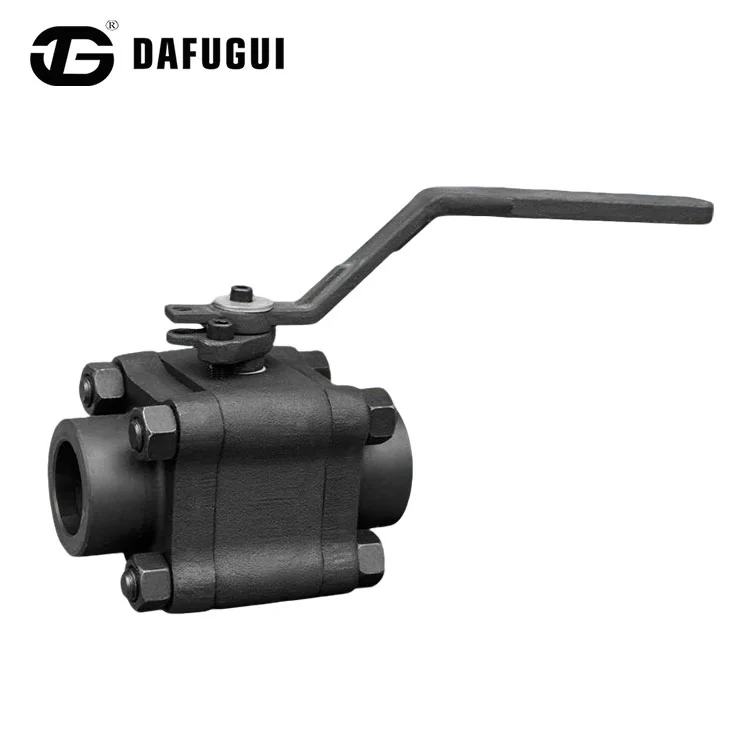
Buyers do not stay loyal to a valve type out of habit. They stay loyal because certain designs repeatedly solve familiar problems. Ball Valves are preferred in many water, oil, gas, chemical, food processing, HVAC, and general industrial systems because they offer tight shutoff, fast actuation, compact installation, and relatively straightforward maintenance. In everyday plant reality, those advantages matter more than theoretical complexity.
A quarter-turn mechanism is one reason they remain popular. Operators can move quickly from fully open to fully closed without long handwheel travel. That helps when a line must be isolated fast during maintenance or unexpected system changes. Their sealing performance is another reason. When properly matched to media, pressure, and temperature, they can deliver dependable shutoff with minimal leakage risk. For buyers under pressure to avoid downtime, that reliability is not a luxury. It is a purchasing requirement.
I also find that many buyers appreciate how well Ball Valves fit into modern procurement priorities. They are available in multiple body forms, end connections, seat materials, and automation-ready designs, which makes them easier to adapt across standardized product lines. A supplier such as Dafugui Pipe Valve Co., Ltd. can appeal to this need because buyers increasingly want both broad selection and practical customization rather than one-size-fits-all catalog language.
How Do Ball Valves Actually Work?
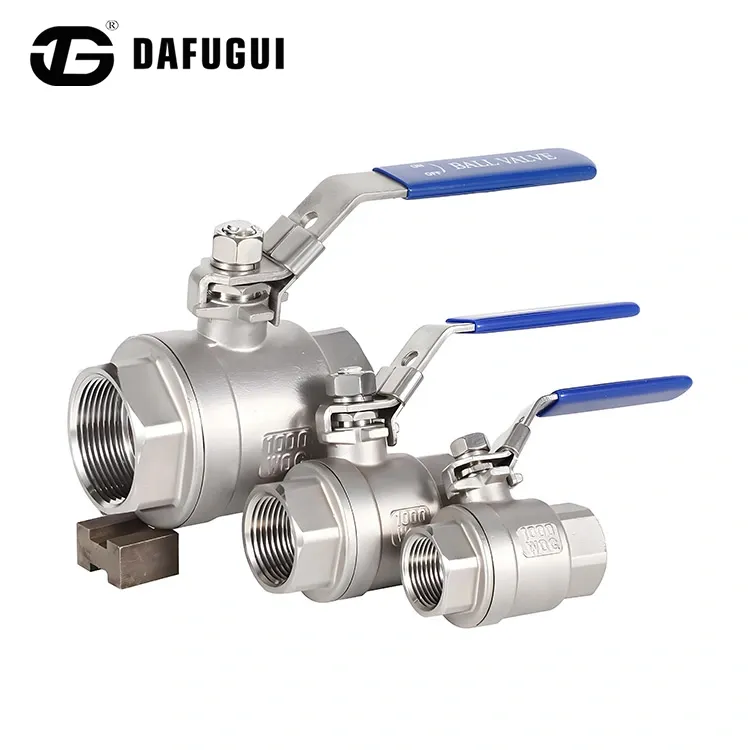
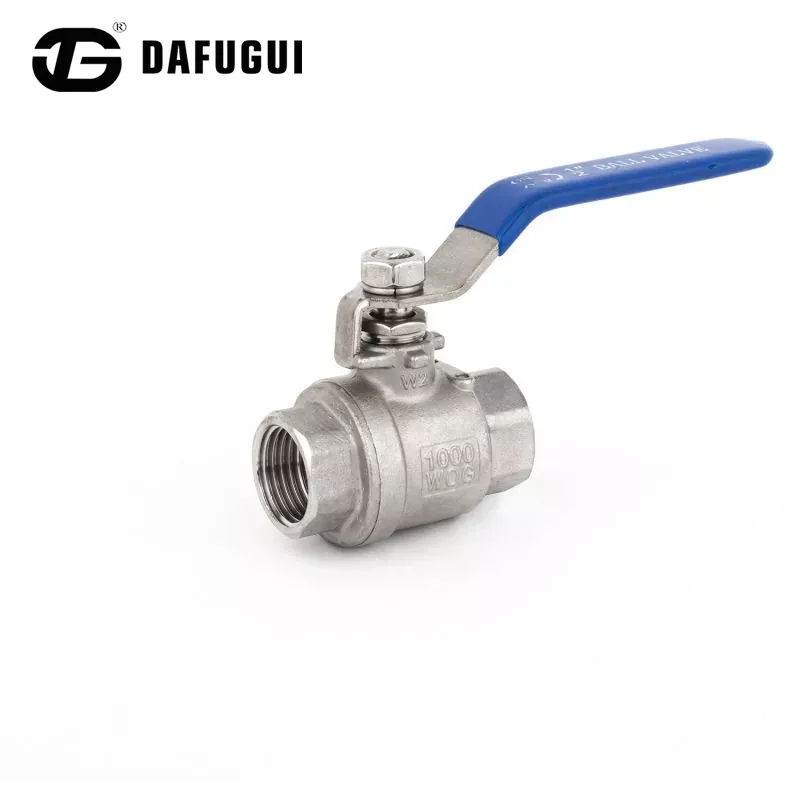
The basic principle is simple: a spherical ball with a bore rotates inside the valve body. When the hole aligns with the pipeline, media flows through. When the ball rotates 90 degrees, the solid side blocks the passage and stops flow. That simplicity is exactly why the design performs so well in many operating environments.
But buyers should not confuse simple operation with careless selection. Real performance depends on how the ball, seat, stem, seals, and body interact under pressure and temperature. A well-made valve opens smoothly, seals consistently, and resists wear over time. A poorly specified one may feel acceptable on day one yet struggle with torque increase, seat damage, media incompatibility, or internal leakage after repeated cycles.
In practical terms, good Ball Valves help users achieve three things at once: controlled flow, dependable shutoff, and easier line isolation. That balance is what makes them valuable not just in large plants, but also in equipment skids, utility systems, process lines, and compact installations where space and service speed both matter.
| Component | Primary Function | Why Buyers Should Care |
|---|---|---|
| Ball | Controls open or closed flow path | Affects sealing, wear resistance, and flow efficiency |
| Seat | Creates seal around the ball | Wrong seat material can fail under heat, pressure, or corrosive media |
| Stem | Transfers turning force to the ball | Poor stem design can create torque issues or leakage risk |
| Body | Houses the pressure boundary | Determines strength, connection method, and maintenance style |
What Problems Do Buyers Usually Want To Solve?
Most buyers are not searching for valves in the abstract. They are trying to fix something specific. In my experience, the same pain points appear again and again:
- Unexpected leakage that disrupts safety or product quality
- Difficult operation after repeated open-close cycles
- Pressure drop caused by restrictive internal design
- Frequent replacement due to corrosion or seat damage
- Maintenance delays because the valve is hard to disassemble
- Uncertainty about compatibility with media, temperature, or pressure class
- Inconsistent quality between samples and batch delivery
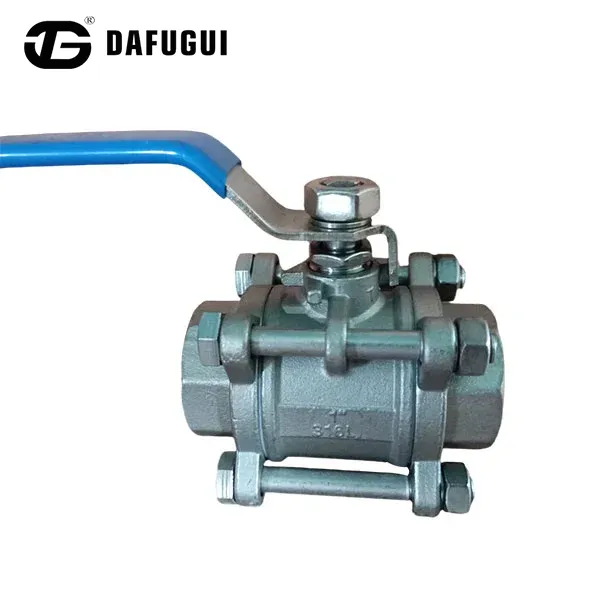
This is where Ball Valves often stand out. A full-port design can help minimize pressure loss. A three-piece structure can simplify maintenance because the center section may be serviced without removing the entire valve from the line. Suitable body and seal materials can improve corrosion resistance and extend service life. Automation-ready stems and mounting pads can also reduce future upgrade friction when manual systems move toward pneumatic or electric control.
Good procurement decisions happen when buyers define the problem first and the product second. That sounds obvious, yet many orders still begin with price or nominal size alone. The better approach is to match valve design to media behavior, cycling frequency, installation environment, and maintenance expectations.
Which Types Of Ball Valves Should You Compare?
Not all ball valves are built for the same purpose. Choosing correctly means understanding the trade-offs between structure, serviceability, and application range.
- One-piece ball valve — compact and economical, often suitable for lighter-duty or simpler systems
- Two-piece ball valve — a common balance between cost and service flexibility
- Three-piece ball valve — preferred when easier maintenance and disassembly are important
- Flanged ball valve — useful for larger lines or systems where robust bolted connection matters
- Threaded ball valve — practical for smaller connections and straightforward installation
- Welded ball valve — helpful where leak path reduction and permanent installation are priorities
- Top-entry ball valve — chosen when internal access from above improves service efficiency
Buyers should also compare full-port and reduced-port options. Full-port Ball Valves usually support lower flow restriction, which is valuable in systems sensitive to pressure drop. Reduced-port designs may save cost and space, but they are not always ideal for every process. The right choice depends on whether compactness or flow performance matters more.
What Materials Matter Most In Tough Conditions?
Material selection is where many expensive mistakes begin. A valve may look correct on paper and still fail early if media chemistry, operating temperature, or pressure cycling are underestimated. Body material, ball finish, and seat composition all affect real performance.
| Selection Area | Typical Consideration | Buyer Concern |
|---|---|---|
| Body Material | Stainless steel, carbon steel, or alloy choice | Corrosion resistance, strength, and service environment |
| Seat Material | PTFE or other seat options | Sealing quality, temperature tolerance, and media compatibility |
| Ball Surface | Machining and finish quality | Smooth operation and long-term sealing consistency |
| Stem Sealing | Packing and sealing arrangement | External leakage prevention and operating stability |
When buyers ask whether all Ball Valves are basically the same, my answer is simple: not once they enter real service. Media composition, cycle frequency, temperature swings, and installation practices quickly expose quality differences. That is why careful technical matching matters more than brochure wording.
How Do Ball Valves Compare With Other Valve Types?
Buyers often compare ball valves with gate valves, globe valves, and butterfly valves. Each has its place, but their strengths are different.
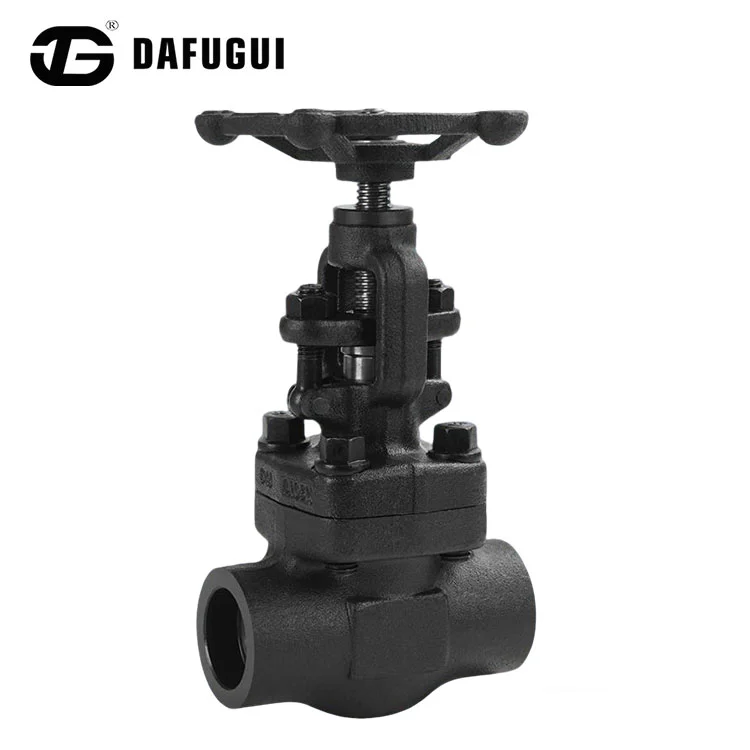
- Compared with gate valves — ball valves generally offer faster quarter-turn operation and simpler shutoff control
- Compared with globe valves — ball valves usually create lower resistance in open position, especially in full-port versions
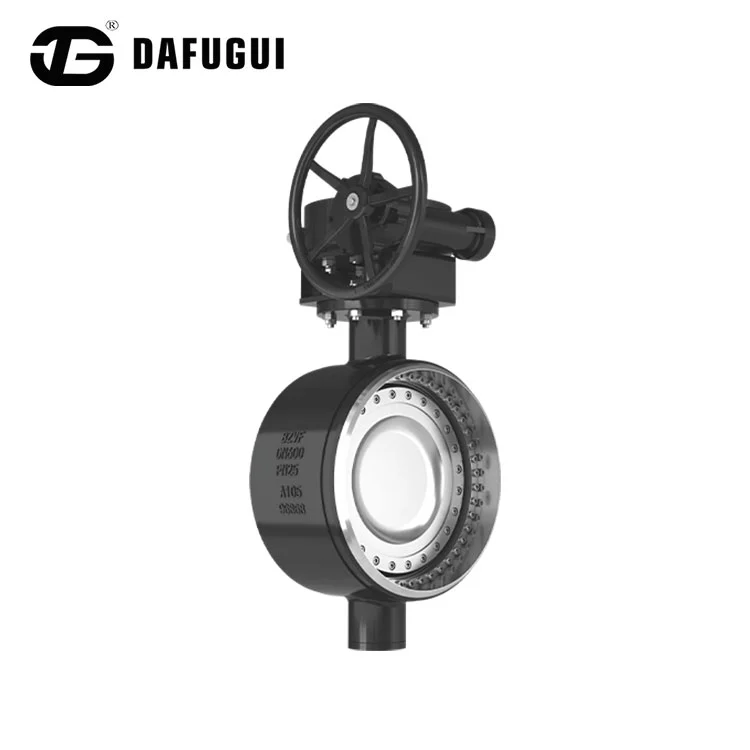
- Compared with butterfly valves — ball valves are often favored when tighter shutoff or compact high-integrity sealing is needed
That does not mean ball valves automatically replace every other design. It means they are especially valuable where quick isolation, strong sealing, manageable maintenance, and versatile configuration are priorities. For many buyers, that combination covers a large portion of real operating needs.
Which Buying Checks Prevent Expensive Mistakes?
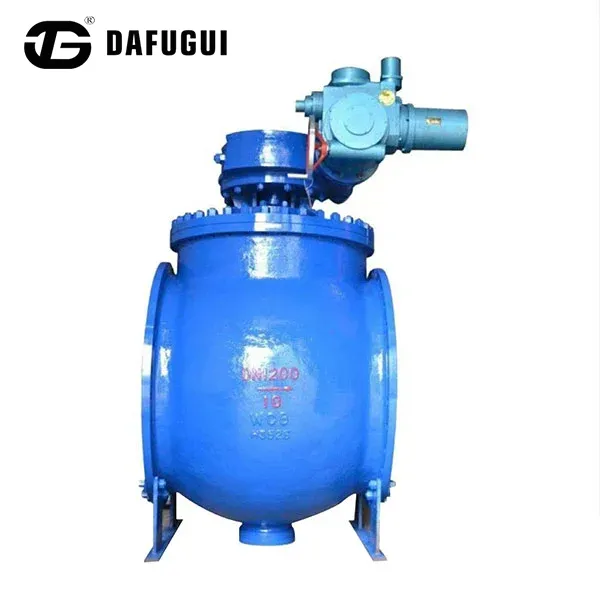
Before placing an order, I recommend that buyers slow down and verify a few practical points. These checks reduce procurement risk far more effectively than chasing the lowest quote.
- Confirm media type, pressure, temperature, and cycling frequency
- Decide whether full-port or reduced-port flow is appropriate
- Choose the body style based on maintenance expectations
- Check end connection requirements for the actual project
- Verify body, ball, seat, and seal material suitability
- Ask about quality consistency across batch production
- Review lead time, packaging, and after-sales support
- Consider future automation needs before locking in manual-only designs
This is also where supplier communication matters. A capable manufacturer does not just send a price sheet. They help clarify application details, structure options, and fit-for-use decisions. Buyers looking at Dafugui Pipe Valve Co., Ltd. or any similar industrial supplier should pay attention to how clearly the supplier responds to technical and operational questions. The speed of a quotation is useful, but the quality of the clarification process is often more revealing.
In the end, the best Ball Valves are not simply the cheapest, the heaviest, or the most aggressively advertised. They are the ones that fit the real duty conditions, operate smoothly, seal reliably, and avoid creating hidden maintenance costs later.
What Questions Do Buyers Ask Most Often?
What makes ball valves suitable for fast shutoff?
Their quarter-turn operation allows users to move quickly between open and closed positions, which is helpful for line isolation and emergency response.
Which ball valve structure is easiest to maintain?
Three-piece designs are often favored when maintenance access is important because they can simplify service and reduce disassembly effort.
Can ball valves handle corrosive media?
Yes, but only when body, ball, seat, and seal materials are correctly matched to the media and operating conditions.
What is the difference between full-port and reduced-port designs?
Full-port valves typically offer less flow restriction, while reduced-port valves may be more compact and economical.
How should I compare suppliers?
Look beyond price. Review technical responsiveness, production consistency, material options, delivery reliability, and support after purchase.
Which industries commonly use ball valves?
They are widely used in water treatment, oil and gas, chemical processing, HVAC, food-related systems, utility piping, and general industrial applications.
How Should You Move Forward With Your Valve Selection?
If you are evaluating suppliers or refining a pipeline component list, this is the right moment to take a more practical view of Ball Valves. Focus on operating conditions, sealing needs, maintenance access, connection style, and lifecycle value rather than treating every valve as a commodity item. A well-chosen valve can reduce leakage risk, stabilize operation, simplify maintenance, and protect downstream equipment over the long term.
Dafugui Pipe Valve Co., Ltd. is one of the manufacturers serving buyers who need dependable valve solutions across different industrial scenarios. If you are comparing configurations, checking technical fit, or planning a bulk purchase, now is a good time to contact us and discuss the right Ball Valves for your project. Clear specifications lead to better results, and the right partner can make the whole buying process faster, safer, and far more efficient.
Related News
- Why Do Desalination Plant High Salinity S32760 Threaded Pipe Flanges Excel in SWRO Brine and Chemical Lines?
- How Does a Butterfly Valve Control Water Flow in Municipal Supply Systems?
- What Role Do Butterfly Valves Play in Hydropower Plant Penstock Flow Regulation?
- What Is a Rubber Disc Check Valve and How Does It Ensure Reliable Backflow Prevention?
- Why Do Water Engineers Prefer Butterfly Valves for Pump Station Applications?
- How Does a Bellows Expansion Joint Protect Pipeline Systems from Thermal Expansion, Vibration, and Mechanical Stress?
Leave me a message