
Why Gate Valves Still Matter in Modern Pipeline Systems?
Article Summary
Buyers rarely struggle to find a gate valve. What they struggle with is choosing one that truly matches pressure class, medium type, temperature range, installation space, and maintenance expectations. A poor choice can lead to leakage, difficult shutoff, excessive downtime, and costly replacement long before the line reaches its expected service life. This article explains how gate valves work, where they perform best, what problems customers usually face before purchase, and how to evaluate materials, stem styles, sealing performance, and operating conditions with more confidence. It also looks at why manufacturers such as Dafugui Pipe Valve Co., Ltd. are increasingly asked for practical, application-based guidance rather than a simple product list.
Table of Contents
- Article Outline
- What makes a gate valve different from other valves
- What problems buyers are usually trying to solve
- How to choose the right gate valve for real working conditions
- How gate valves compare in practical use
- What mistakes shorten service life
- What to ask a supplier before placing an order
- FAQ
- Final takeaway
Outline
- Define the core function of a gate valve and clarify where it fits in a piping system.
- Identify the most common customer concerns, from poor sealing to maintenance burden.
- Break down the selection process by material, stem design, pressure, temperature, and medium.
- Compare gate valves with other shutoff options in everyday industrial decision-making.
- Show the operational mistakes that cause avoidable wear and reliability issues.
- Provide a buyer-focused checklist for supplier evaluation and long-term purchasing success.
What makes a gate valve different from other valves
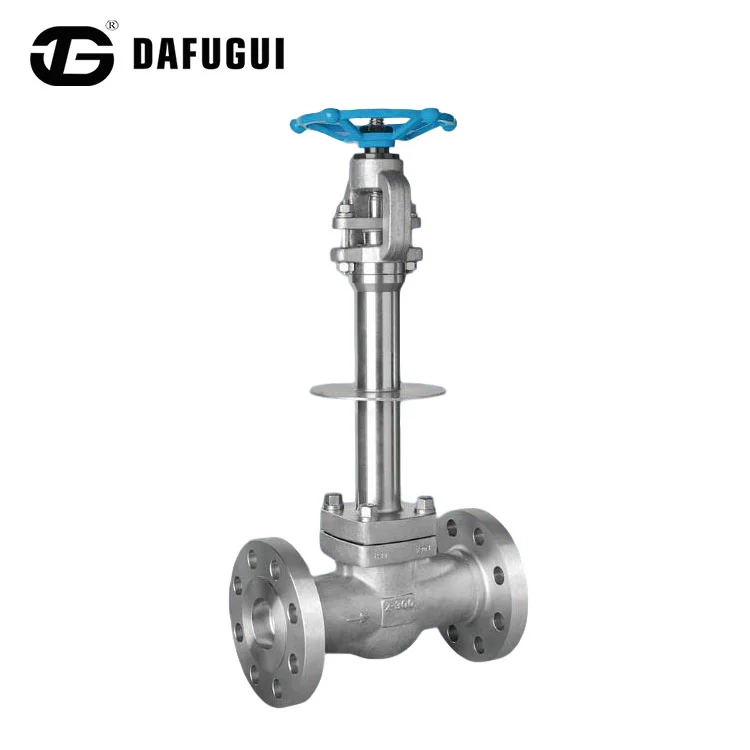
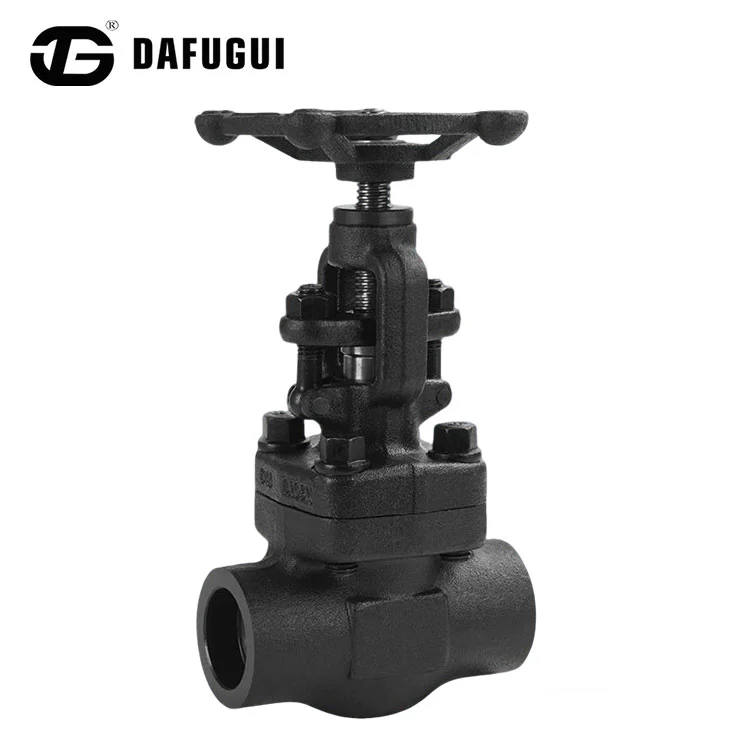
A gate valve is primarily built for isolation. In simple terms, it is meant to stop flow completely or allow flow to pass with minimal obstruction when fully open. That basic role sounds straightforward, but it matters a great deal in lines where pressure stability, low resistance, and reliable shutoff are essential.
Unlike a valve used for frequent throttling, a gate valve raises or lowers a gate-shaped closure element out of the flow path. When fully open, the bore is comparatively unobstructed, which helps reduce pressure drop. That is one reason engineers often choose gate valves for water treatment, oil and gas transfer, petrochemical systems, power facilities, fire protection lines, and other process environments where straight-through flow is valuable.
Customers often begin their search thinking only about nominal size or connection type. But in real applications, the better question is not simply “What size do I need?” It is “What operating behavior do I expect from the valve over time?” A gate valve may look like a simple component, yet its success depends on how well it matches media characteristics, operating cycles, temperature swings, corrosion exposure, and maintenance access.
What problems buyers are usually trying to solve
Most customers are not shopping for a gate valve because they enjoy comparing catalog pages. They are trying to fix a real risk in the system. Sometimes an older valve is leaking. Sometimes opening torque has become too high. Sometimes corrosion has damaged the sealing surfaces. In other cases, the system is expanding and the buyer needs a dependable shutoff solution that will not become the weak point in the pipeline.
These are the pain points that appear again and again in purchasing conversations:
- Unreliable shutoff that allows seepage when the line should be fully closed.
- Unexpected pressure loss caused by using the wrong valve type for the application.
- Premature wear because the material was not suited to the medium or temperature.
- Difficult operation when the valve becomes hard to open or close after service exposure.
- Installation constraints in pits, underground systems, or narrow equipment spaces.
- Maintenance downtime caused by poor access, poor sealing design, or inconsistent product quality.
A good buying decision starts by connecting the valve to the user’s actual operating headache. If the line sees abrasive particles, thermal cycling, or corrosive fluids, the correct solution may be very different from what works in a clean water line. That is why application details matter far more than generic descriptions.
How to choose the right gate valve for real working conditions
The most useful way to choose a gate valve is to move from operating reality to valve structure, not the other way around. A well-matched valve should support system safety, reduce intervention frequency, and remain stable over the intended service interval.
| Selection Factor | What Buyers Should Consider | Why It Matters |
|---|---|---|
| Medium | Water, steam, oil, gas, corrosive chemicals, slurry, or mixed fluids | The medium affects corrosion, erosion, sealing choice, and body material suitability |
| Temperature | Ambient, low-temperature, high-temperature, or thermal cycling conditions | Extreme temperatures can change material behavior, sealing performance, and operating torque |
| Pressure Class | Normal, high-pressure, or fluctuating pressure systems | Pressure determines structural strength, wall thickness, and seat reliability |
| Installation Space | Open plant layout, buried pipeline, limited vertical clearance, compact skid system | Stem type and overall valve profile affect installation feasibility |
| Operation Frequency | Occasional isolation, emergency shutoff, or repeated cycling | Frequent use may require stronger attention to wear resistance and actuation method |
| Maintenance Access | Easy access, remote site, hazardous area, or underground installation | A valve in a hard-to-reach location should prioritize durability and simpler service demands |
Material choice is often where long-term value is won or lost. Carbon steel may work well in many standard industrial systems, while stainless steel or other corrosion-resistant materials can be more appropriate for aggressive media. Hard-facing on sealing surfaces can also improve wear performance in demanding environments. In low-temperature or high-temperature service, the wrong material can lead not only to shorter life but also to reliability concerns under stress.
Stem design deserves equal attention. Rising stem gate valves provide clear visual indication of position and are often easier to inspect. Non-rising stem gate valves can be useful where vertical space is limited or the valve is installed underground. Neither is automatically better; each fits a different operating context.
Buyers should also think about connection standards, testing requirements, and whether the valve will be manually operated or paired with electric, pneumatic, or other actuation. A valve that appears inexpensive at first can become costly if it complicates installation, introduces downtime, or fails early in the field.
How gate valves compare in practical use
In many procurement discussions, gate valves are compared with globe valves, butterfly valves, or ball valves. The right choice depends on what the line needs most. A gate valve is not the answer to every control problem, but it remains highly valuable when full shutoff and low flow resistance are priorities.
| Valve Type | Typical Strength | Typical Limitation | Best Use Pattern |
|---|---|---|---|
| Gate Valve | Low resistance when fully open, strong isolation role | Not ideal for throttling | Full open or full closed service |
| Globe Valve | Better flow regulation | Higher pressure drop | Control-oriented applications |
| Butterfly Valve | Compact and often cost-effective in large sizes | May not suit every sealing or pressure requirement | Space-sensitive systems and general shutoff |
| Ball Valve | Quick operation and reliable shutoff | May be less suitable in some high-temperature or specific process conditions | Fast quarter-turn isolation |
This comparison is useful because buyers often make mistakes by focusing only on price or familiarity. A gate valve earns its place when the goal is dependable line isolation with a comparatively straight flow path. In demanding systems, that combination still makes it a serious and relevant choice.
What mistakes shorten service life
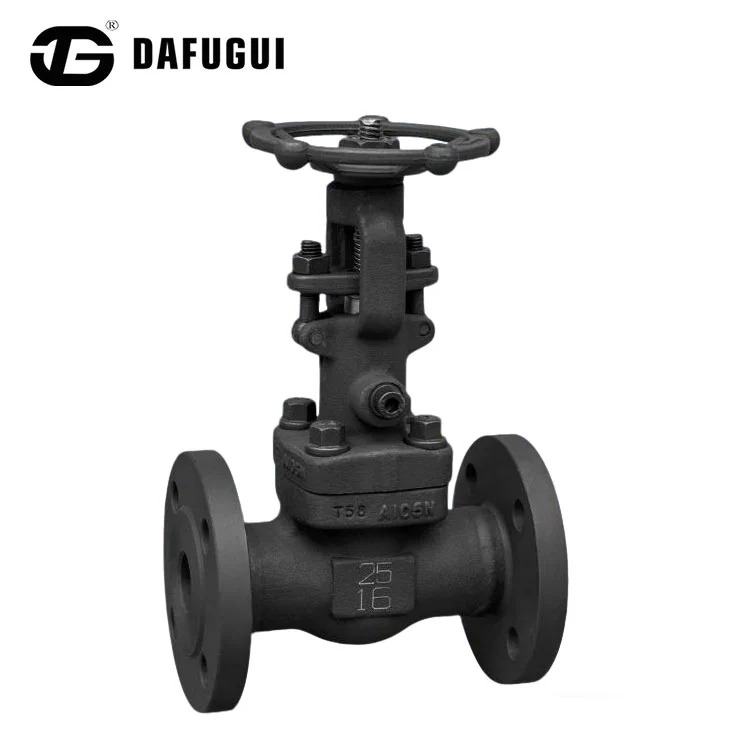
Even a well-made valve can disappoint if it is selected or used incorrectly. One common mistake is using a gate valve for throttling. Because the gate is not designed for partial-open control in the same way as a regulating valve, that practice can accelerate wear on seating surfaces and reduce sealing reliability over time.
Another frequent mistake is underestimating media chemistry. A valve installed in a corrosive or particle-laden line without the right body and seat materials may begin degrading much earlier than expected. Customers sometimes assume all industrial valves within the same size range are interchangeable. They are not.
Installation and handling errors matter too. Misalignment, poor tightening practice, inadequate flushing before startup, and failure to account for thermal expansion can all affect long-term performance. Maintenance teams should also pay attention to stem condition, sealing wear, and operating torque changes, since these often provide early warning before a more expensive failure occurs.
The safest approach is to view valve purchasing as part of system design rather than a last-minute accessory decision. That mindset reduces unpleasant surprises later.
What to ask a supplier before placing an order
A serious supplier should be able to do more than quote a price. They should understand where the valve will be used, how it will be operated, and what risks the buyer needs to avoid. That is where a practical conversation becomes far more valuable than a generic brochure.
When evaluating a supplier, ask questions such as:
- What body and sealing materials are recommended for this medium and temperature range?
- Which pressure class is appropriate for the actual operating conditions, not just the nominal line?
- Is a rising stem or non-rising stem design more suitable for the installation space?
- What testing and inspection procedures are performed before shipment?
- Can the supplier support customization for connection standards, actuation, or project-specific requirements?
- What documentation is available for dimensional data, pressure ratings, and material details?
This is where manufacturers with a broad product range can be more useful than suppliers who only push a standard catalog option. Companies such as Dafugui Pipe Valve Co., Ltd. are often approached not just for supply capacity, but for the ability to align valve selection with actual field demands, including high-temperature, high-pressure, buried, and industrial process scenarios.
For buyers managing repeat projects, consistency is just as important as first-order performance. A supplier who maintains stable quality, clear technical communication, and responsive support can reduce procurement friction across future orders as well.
FAQ
Can a gate valve be used for flow regulation?
It is generally better to use a gate valve for full shutoff or full opening rather than continuous throttling. Partial-open operation can increase wear and reduce sealing performance over time.
What is the main advantage of a gate valve in a pipeline?
Its key advantage is efficient isolation with relatively low flow resistance when fully open, which helps maintain smoother passage through the line.
How do I choose between rising stem and non-rising stem designs?
A rising stem design offers visible position indication and easier inspection. A non-rising stem design is often preferred where vertical space is restricted or the valve is installed underground.
What industries commonly use gate valves?
They are widely used in water treatment, oil and gas, chemical processing, power generation, fire protection, and municipal infrastructure systems.
What information should I prepare before asking for a quotation?
You should ideally provide valve size, pressure class, medium type, working temperature, connection requirements, installation conditions, and whether manual or actuated operation is needed.
What should buyers remember before making the final decision
A gate valve may seem like a straightforward component, but the wrong specification can create years of maintenance trouble. The right one supports stable shutoff, smoother operation, and lower long-term risk. Buyers who take the time to match valve structure and material to the true service environment usually get better results than those who buy only by size and price.
If you are reviewing options for industrial shutoff performance, buried piping systems, high-pressure service, or project-based valve sourcing, it makes sense to discuss the details with a supplier that understands application demands in practical terms. Dafugui Pipe Valve Co., Ltd. can help you evaluate suitable gate valve solutions for your working conditions, specifications, and purchasing goals. Contact us today to discuss your project and get a valve recommendation built around the real needs of your pipeline system.
Related News
- Why Do Desalination Plant High Salinity S32760 Threaded Pipe Flanges Excel in SWRO Brine and Chemical Lines?
- How Does a Butterfly Valve Control Water Flow in Municipal Supply Systems?
- What Role Do Butterfly Valves Play in Hydropower Plant Penstock Flow Regulation?
- What Is a Rubber Disc Check Valve and How Does It Ensure Reliable Backflow Prevention?
- Why Do Water Engineers Prefer Butterfly Valves for Pump Station Applications?
- How Does a Bellows Expansion Joint Protect Pipeline Systems from Thermal Expansion, Vibration, and Mechanical Stress?
Leave me a message