What Are The Key Advantages of Using Welded Pipes in Industrial Applications?
Welded pipes have become a cornerstone in modern industrial systems, offering efficiency, durability, and consistent performance across a variety of applications. Our factory focuses on delivering high-quality welded pipe solutions that meet the demanding requirements of chemical plants, power stations, and water treatment facilities. At Dafugui Pipe Valve Co., Ltd., we emphasize precision engineering and quality control to ensure every Pipe we produce meets rigorous international standards. When our clients choose our products, they benefit from both the structural reliability and operational efficiency that welded pipes provide.
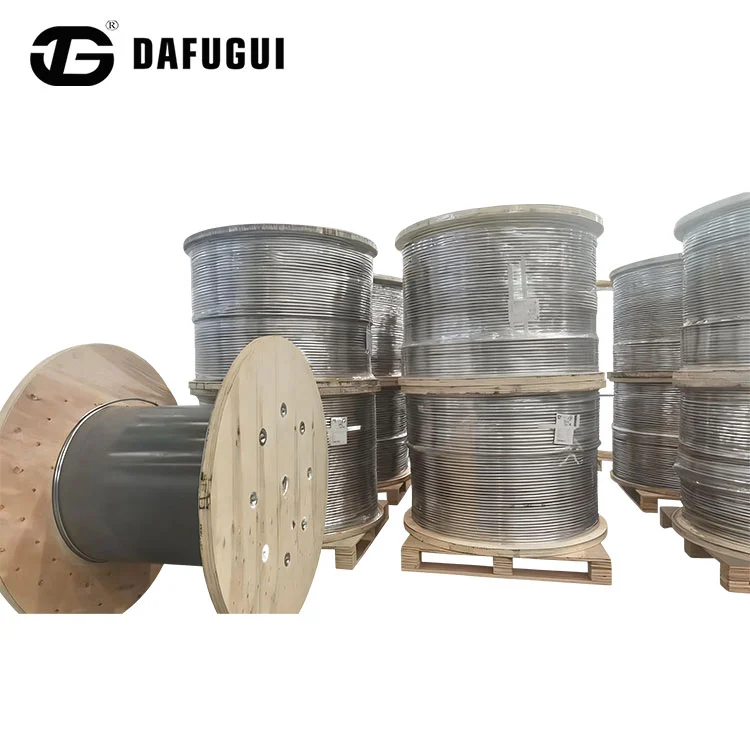
How Do Welded Pipes Enhance Strength and Structural Integrity in Industrial Systems?
The strength of welded pipes is largely attributed to the continuous welding seam, which distributes stress uniformly along the length of the pipe. Our engineers at our factory carefully monitor welding parameters, including heat input, weld speed, and filler material selection, to maintain maximum mechanical performance. By controlling these factors, we ensure that each Pipe maintains high tensile strength and resistance to deformation under pressure. Clients in high-pressure applications often rely on our welded pipes for consistent load-bearing capacity.
Compared to seamless pipes, welded designs offer easier customization in diameter and thickness without compromising strength. This adaptability makes welded pipes suitable for a variety of industrial pipelines, including water supply lines, oil and gas transport, and steam conveyance. Our technical team provides guidance on wall thickness and pipe grade selection to ensure the finished pipeline can handle specific operational conditions efficiently.
Why Are Welded Pipes Considered Cost-Effective and Easy to Install?
Welded pipes provide significant advantages in terms of cost and installation flexibility. At Dafugui, our production processes allow for precise cutting and pre-fabrication, which reduces onsite labor and installation time. Our factory produces Pipes in standard lengths and customized configurations that simplify transportation and assembly. This efficiency translates to lower overall project costs and faster commissioning timelines.
Additionally, welded pipe systems allow for easier modifications and extensions. When expansions or repairs are required, our engineers can implement precise welds that maintain system integrity. This feature is particularly valuable in industrial environments where system adaptability is crucial. We work closely with our clients to provide practical installation guidance, ensuring each pipeline meets operational requirements while minimizing downtime.
How Does Corrosion Resistance Improve the Longevity of Welded Pipes?
Corrosion resistance is essential for maintaining long-term pipeline performance. Our Pipes are manufactured using high-quality steel alloys and protective coatings that resist chemical degradation in aggressive environments. At our factory, we perform stringent tests to verify resistance to pitting, oxidation, and chemical attack. Industrial customers often choose our welded pipes for water treatment plants, chemical processing units, and marine installations where corrosion can severely impact operational life.
Surface treatments such as galvanization or epoxy coating further enhance durability. Our team provides recommendations on coating type based on fluid composition, temperature, and environmental exposure. With proper selection and installation, welded pipes offer years of reliable service, minimizing maintenance costs and preventing unexpected downtime.
What Performance Parameters Should Be Considered When Selecting Welded Pipes?
Several technical parameters influence the performance of welded pipes. Wall thickness, diameter, material grade, and welding method are key considerations. At Dafugui Pipe Valve Co., Ltd., our factory monitors these parameters closely to maintain consistency across production batches. Engineers often assess the pressure rating, tensile strength, and impact resistance to match system requirements accurately.
The table below outlines common welded pipe specifications and their typical industrial applications, providing a reference for selection.
| Pipe Diameter | Wall Thickness | Material Grade | Typical Application |
| 50–100 mm | 3–5 mm | Carbon Steel | Low-pressure water lines |
| 100–300 mm | 5–10 mm | Stainless Steel | Chemical transport |
| 300–600 mm | 10–15 mm | Alloy Steel | High-pressure industrial pipelines |
How Do Welded Pipes Ensure Safety in High-Pressure Operations?
Safety is a critical consideration in industrial piping. Welded pipes offer predictable performance under high-pressure conditions due to controlled manufacturing processes. Our engineers perform pressure testing and inspection at our factory to identify potential weak points before the Pipe leaves production. Proper weld seam alignment and quality control prevent leaks and structural failures in demanding environments.
In industries such as power generation and oil transport, the risk of failure carries high operational and financial consequences. Using our welded pipes reduces these risks by providing consistent mechanical properties and predictable behavior under both steady-state and dynamic pressures. Our team also offers consultation on pipe support and expansion allowance to maintain safety standards.
What Are the Key Advantages of Using Welded Pipes in Industrial Applications? Frequently Asked Questions
Q1: How does a welded pipe compare to a seamless pipe in high-temperature applications?
Welded pipes allow for precise control of material grade and wall thickness, which provides better adaptation to temperature fluctuations. Seamless pipes may have manufacturing limitations that restrict diameter and thickness, making welded pipes more versatile for high-temperature systems.
Q2: Can welded pipes be customized for complex industrial layouts?
Yes, welded pipes are highly adaptable. Our factory can produce Pipes in various lengths, diameters, and pre-fabricated angles to fit complex layouts. This flexibility simplifies installation and ensures a more streamlined pipeline configuration.
Q3: What maintenance considerations improve the lifespan of welded pipes?
Regular inspection of weld seams, corrosion monitoring, and pressure testing are essential. Selecting the appropriate material grade and protective coating according to the operational environment also extends service life, reducing unexpected repairs and downtime.
Conclusion
Welded pipes provide strength, flexibility, corrosion resistance, and cost-effective installation advantages that make them ideal for a wide range of industrial applications. Our factory is dedicated to producing high-quality Pipes and supporting customers with technical expertise. At Dafugui Pipe Valve Co., Ltd., we ensure that each welded pipe meets precise performance standards. If you are planning a new pipeline system or upgrading existing infrastructure, contact our team today to explore solutions tailored to your operational needs and ensure reliable performance for years to come.
Related News
- Why Do Desalination Plant High Salinity S32760 Threaded Pipe Flanges Excel in SWRO Brine and Chemical Lines?
- How Does a Butterfly Valve Control Water Flow in Municipal Supply Systems?
- What Role Do Butterfly Valves Play in Hydropower Plant Penstock Flow Regulation?
- What Is a Rubber Disc Check Valve and How Does It Ensure Reliable Backflow Prevention?
- Why Do Water Engineers Prefer Butterfly Valves for Pump Station Applications?
- How Does a Bellows Expansion Joint Protect Pipeline Systems from Thermal Expansion, Vibration, and Mechanical Stress?
Leave me a message