
Are Stainless Steel Weld Neck Flanges the Best Choice for High-Pressure Piping Systems
Stainless Steel Weld Neck Flanges are widely recognized for their superior strength, durability, and reliability in high-pressure and high-temperature piping systems. This comprehensive guide explores their design advantages, material grades, manufacturing standards, comparison with other flange types, industrial applications, installation best practices, and maintenance guidelines. Whether you are an engineer, procurement manager, or industrial contractor, this article will help you understand why weld neck flanges remain the preferred solution for critical piping systems.
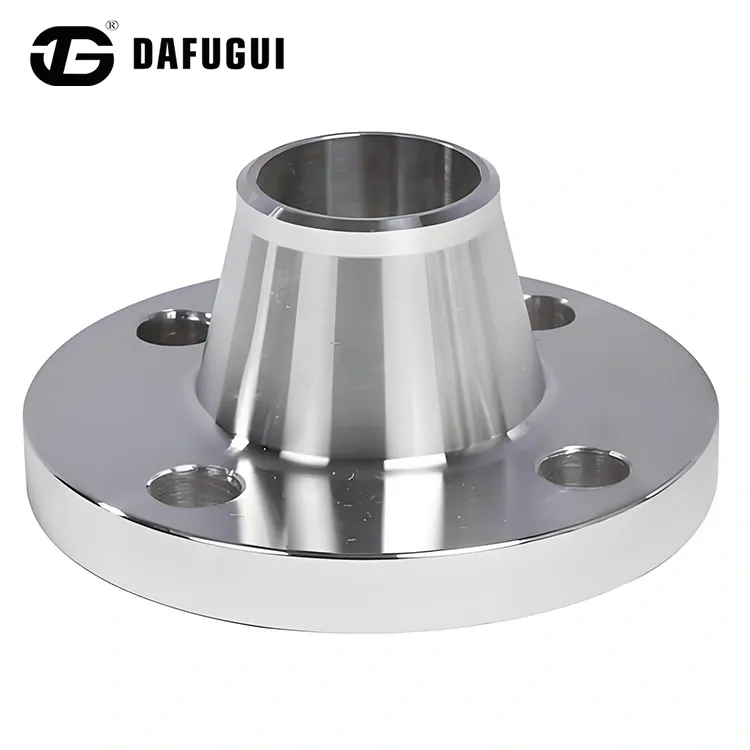
Table of Contents
- What Are Stainless Steel Weld Neck Flanges?
- Design Features and Structural Advantages
- Material Grades and Standards
- Weld Neck vs Other Flange Types
- Industrial Applications
- Manufacturing Process and Quality Control
- Installation Best Practices
- Maintenance and Inspection
- How to Select the Right Weld Neck Flange
- Frequently Asked Questions
1. What Are Stainless Steel Weld Neck Flanges?
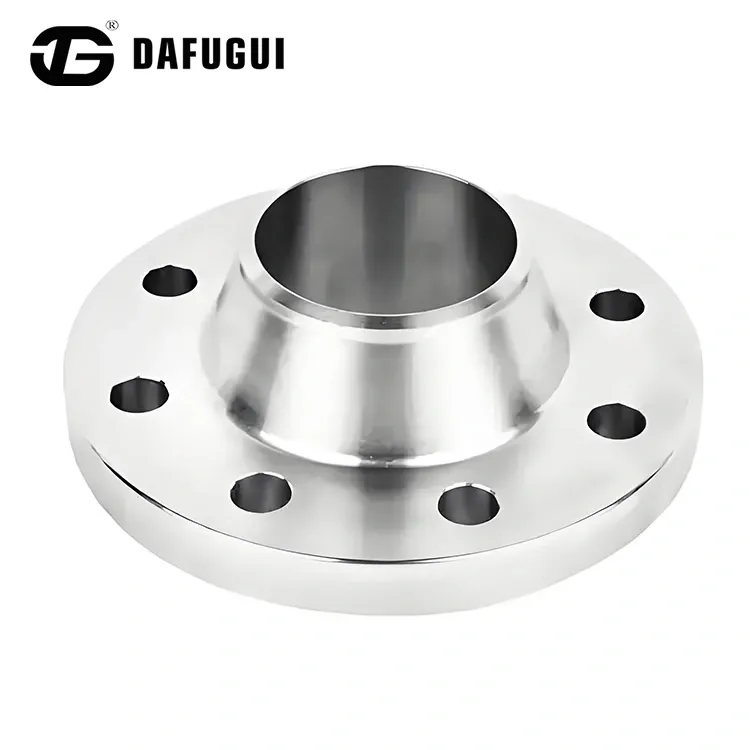
Stainless Steel Weld Neck Flanges are pipe flanges designed with a long tapered hub that gradually transitions from the flange thickness to the pipe wall thickness. They are butt-welded to the pipe, providing a strong and seamless connection that reduces stress concentration.
Unlike slip-on flanges, weld neck flanges are engineered for demanding environments where high pressure, extreme temperatures, and cyclic loading are present. Their tapered hub distributes stress evenly, minimizing the risk of cracking and mechanical failure.
- Butt-weld connection for maximum strength
- Long tapered hub for stress distribution
- Excellent for high-pressure and high-temperature systems
- Complies with international standards such as ASME and ANSI
2. Design Features and Structural Advantages
2.1 Tapered Hub Design
The defining characteristic of a weld neck flange is its tapered hub. This feature allows a gradual transfer of stress from the flange to the pipe, preventing localized stress points.
2.2 Full Penetration Weld
Because the flange is butt-welded to the pipe, it forms a continuous metal structure. This significantly improves fatigue resistance and mechanical strength.
2.3 Superior Pressure Handling
Weld neck flanges are commonly used in systems rated for high-pressure classes such as Class 300, 600, 900, 1500, and even 2500.
| Feature | Benefit |
|---|---|
| Tapered Hub | Reduces stress concentration |
| Butt Weld Connection | Improves structural integrity |
| Stainless Steel Material | Excellent corrosion resistance |
| High Pressure Rating | Reliable under extreme conditions |
3. Material Grades and Standards
Stainless steel weld neck flanges are typically manufactured using various stainless steel grades to meet different environmental and chemical exposure requirements.
Common Stainless Steel Grades
- ASTM A182 F304 / F304L
- ASTM A182 F316 / F316L
- ASTM A182 F321
- ASTM A182 F347
International Standards
- ASME B16.5
- ANSI
- DIN
- EN 1092-1
- JIS
Choosing the correct grade ensures compatibility with corrosive media, temperature conditions, and mechanical requirements.
4. Weld Neck vs Other Flange Types
| Flange Type | Connection Type | Pressure Resistance | Best Use |
|---|---|---|---|
| Weld Neck | Butt Weld | Very High | High-pressure systems |
| Slip-On | Fillet Weld | Moderate | Low to medium pressure |
| Blind | Bolt Only | High | Pipeline termination |
| Socket Weld | Socket + Fillet Weld | High (small bore) | Small diameter pipes |
Compared to slip-on flanges, weld neck flanges provide greater reliability and longer service life, particularly in dynamic systems.
5. Industrial Applications
- Oil and Gas Pipelines
- Petrochemical Plants
- Power Generation Facilities
- Water Treatment Systems
- Shipbuilding and Offshore Platforms
In industries where safety and performance are critical, weld neck flanges are often the preferred solution.
6. Manufacturing Process and Quality Control
High-quality stainless steel weld neck flanges are typically forged rather than cast, ensuring superior grain structure and mechanical properties.
Manufacturing Steps
- Material Inspection
- Forging
- Heat Treatment
- Machining
- Drilling and Finishing
- Final Inspection
Reputable manufacturers such as Dafugui implement strict quality control procedures including dimensional checks, pressure testing, and non-destructive testing to ensure compliance with international standards.
7. Installation Best Practices
- Ensure proper pipe alignment before welding
- Use qualified welders for butt welding
- Follow ASME welding procedures
- Inspect weld integrity through NDT
- Apply correct bolt torque during assembly
Proper installation is essential to maximize the performance and longevity of the flange connection.
8. Maintenance and Inspection
Routine inspection ensures system integrity and prevents unexpected failures. Regular checks should include:
- Visual inspection for corrosion
- Ultrasonic thickness measurement
- Leak detection tests
- Bolt tightening verification
9. How to Select the Right Weld Neck Flange
When selecting a stainless steel weld neck flange, consider:
- Pressure class requirements
- Operating temperature
- Corrosion environment
- Pipe size and schedule
- Compliance with project standards
Working with experienced suppliers like Dafugui ensures you receive products that meet both technical and commercial requirements.
10. Frequently Asked Questions (FAQ)
Q1: Why are weld neck flanges better for high-pressure systems?
Because of their tapered hub and full penetration weld, they distribute stress evenly and resist fatigue failure.
Q2: What is the difference between 304 and 316 stainless steel weld neck flanges?
316 stainless steel contains molybdenum, offering better corrosion resistance in chloride environments compared to 304.
Q3: Can weld neck flanges be reused?
In most high-pressure systems, reuse is not recommended unless inspected and approved.
Q4: Are weld neck flanges suitable for offshore applications?
Yes, especially when manufactured from corrosion-resistant grades like 316L.
Conclusion
Stainless Steel Weld Neck Flanges remain the industry benchmark for strength, durability, and safety in high-pressure piping systems. Their superior design, corrosion resistance, and structural integrity make them indispensable across oil & gas, petrochemical, and power industries.
If you are seeking reliable, high-quality stainless steel weld neck flanges manufactured to international standards, Dafugui provides comprehensive solutions tailored to your project requirements. Our engineering expertise, strict quality control, and global supply capabilities ensure long-term performance and peace of mind.
Ready to enhance your piping system reliability? Contact us today to discuss your project requirements and receive a professional quotation.
Related News
- Why Do Desalination Plant High Salinity S32760 Threaded Pipe Flanges Excel in SWRO Brine and Chemical Lines?
- How Does a Butterfly Valve Control Water Flow in Municipal Supply Systems?
- What Role Do Butterfly Valves Play in Hydropower Plant Penstock Flow Regulation?
- What Is a Rubber Disc Check Valve and How Does It Ensure Reliable Backflow Prevention?
- Why Do Water Engineers Prefer Butterfly Valves for Pump Station Applications?
- How Does a Bellows Expansion Joint Protect Pipeline Systems from Thermal Expansion, Vibration, and Mechanical Stress?
Leave me a message