
Bellows Expansion Joint
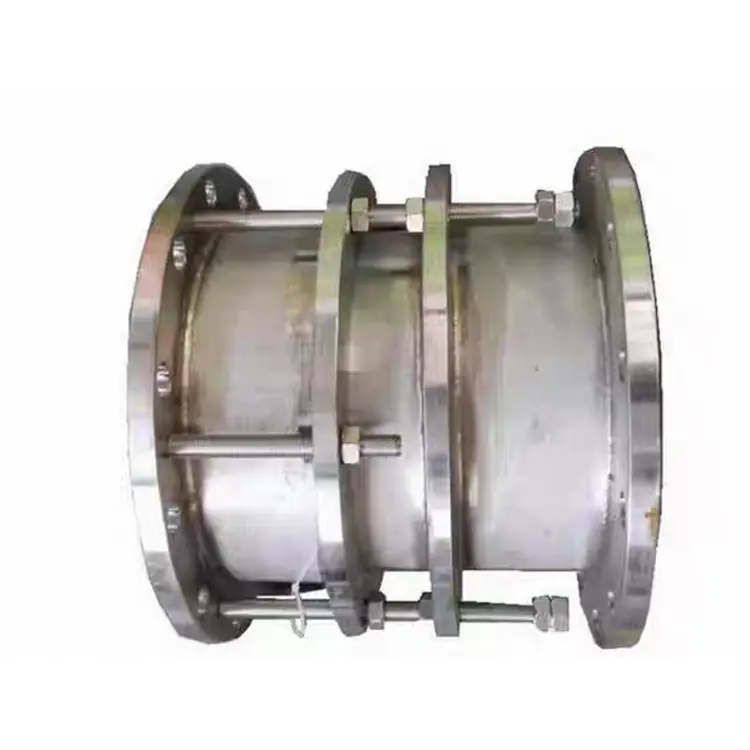
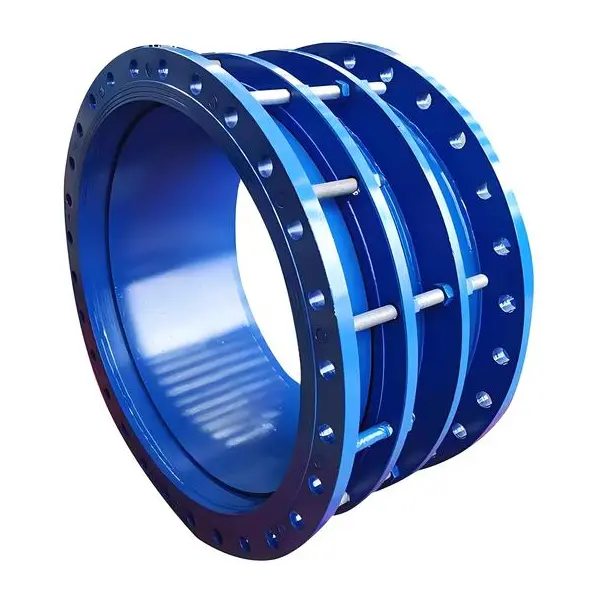
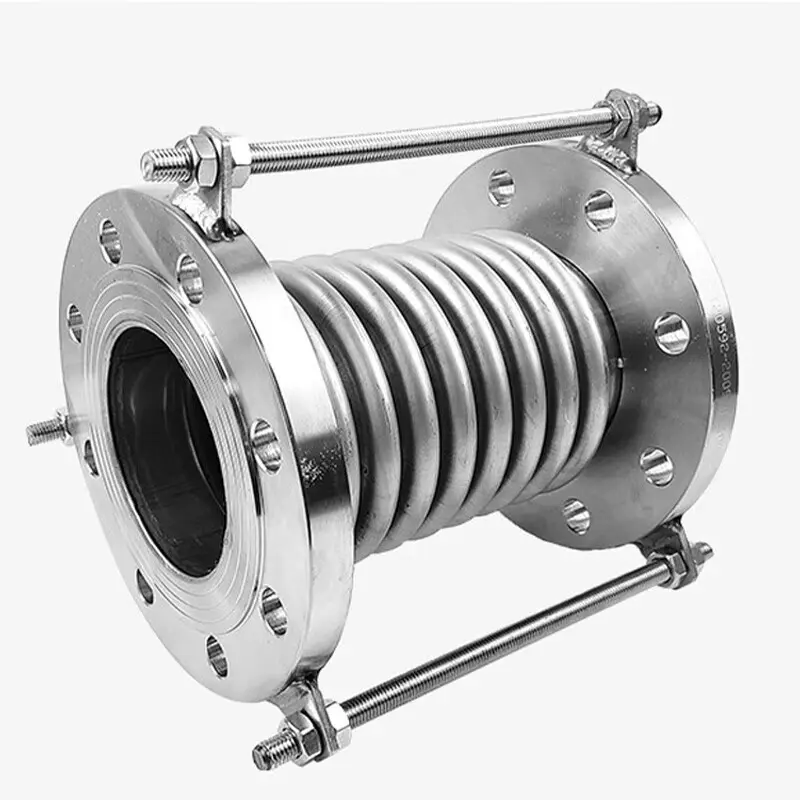
Dafugui, located in Wenzhou, Zhejiang, as a professional manufacturer and supplier, offers factory-direct and customized services for Bellows Expansion Joints. This product consists of metal bellows, end pipes, flanges and other components. Through the elastic deformation of bellows, it effectively compensates for axial, lateral and angular displacements caused by thermal expansion/contraction, mechanical deformation and vibration in pipelines. Manufactured from stainless steel, it features excellent corrosion resistance, high/low temperature resistance (-235℃~+450℃), and high pressure resistance (up to 32MPa). Widely used in petrochemical, power, metallurgy and other industrial pipeline systems.
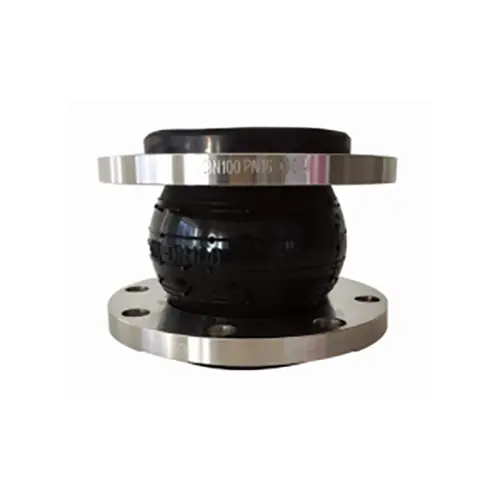
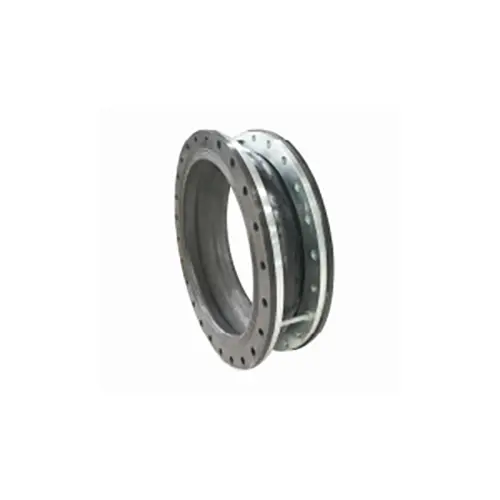
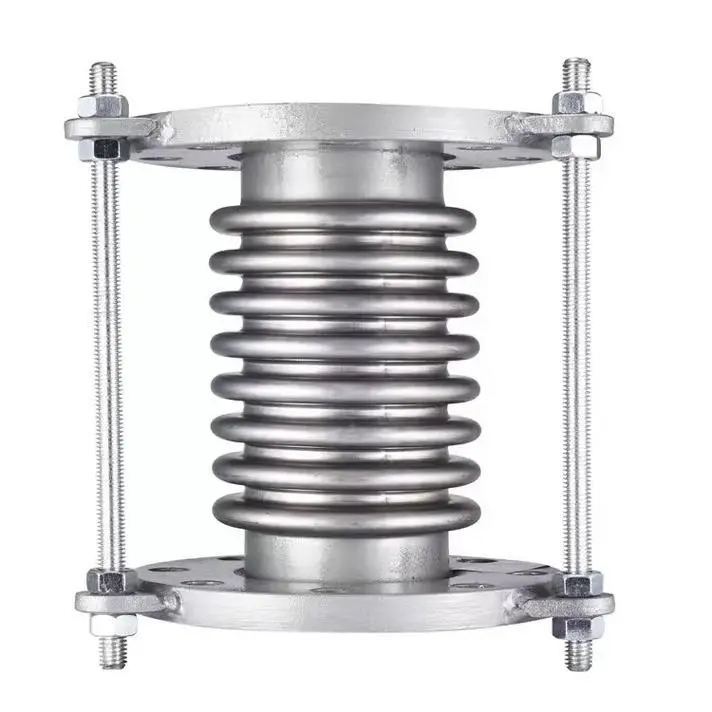
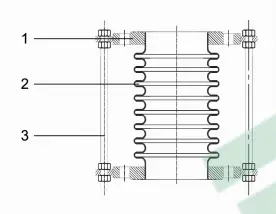
The Bellows Expansion Joint, also known as expansion joint, is a compensation element that utilizes the elastic deformation of bellows to compensate for pipeline thermal displacement, mechanical deformation and absorb vibration. It consists of bellows (an elastic element) as the main working body, along with end pipes, brackets, flanges, conduits and other accessories. Connection methods include flanged and welded types.
Working Principle
The core working principle of the Bellows Expansion Joint is to utilize the elastic deformation of the bellows to absorb and compensate for axial, angular, lateral and combined displacements caused by thermal deformation, mechanical deformation and various mechanical vibrations in pipelines.
When pipelines expand or contract due to temperature changes, the bellows undergoes deformation through its unique corrugated structure, converting pipeline displacement stress into elastic deformation energy of the bellows, thereby reducing pipeline deformation stress and extending pipeline service life. Additionally, the bellows expansion joint offers multiple functions including pressure resistance, sealing, corrosion resistance, temperature resistance, impact resistance, vibration damping and noise reduction.
Key Advantages
| Advantage | Description |
| Multi-directional Compensation | Simultaneously absorbs axial, lateral, angular and combined displacements, adapting to various pipeline layouts |
| Wide Temperature Range | Operating temperature from -235°C to +450°C, suitable for high and low temperature conditions |
| High Pressure Capacity | Maximum pressure resistance up to 32MPa |
| Corrosion Resistance | Stainless steel construction with excellent corrosion resistance and long service life |
| Vibration & Noise Reduction | Effectively absorbs equipment vibration and reduces pipeline system noise |
| Flexible Installation | Supports both flanged and welded connections, adapting to different pipeline systems |
Main Types
Bellows expansion joints are primarily classified into three categories based on compensation mode:
Axial Type: Primarily absorbs axial displacement
Lateral Type: Primarily absorbs lateral displacement
Angular Type: Primarily absorbs angular displacement
Pressure-balanced types and various combined compensation configurations are also available. Based on material, they can be divided into metal and non-metal types. Dafugui can provide corresponding type recommendations based on the specific displacement patterns and operating conditions of your pipeline system.
Installation Guide
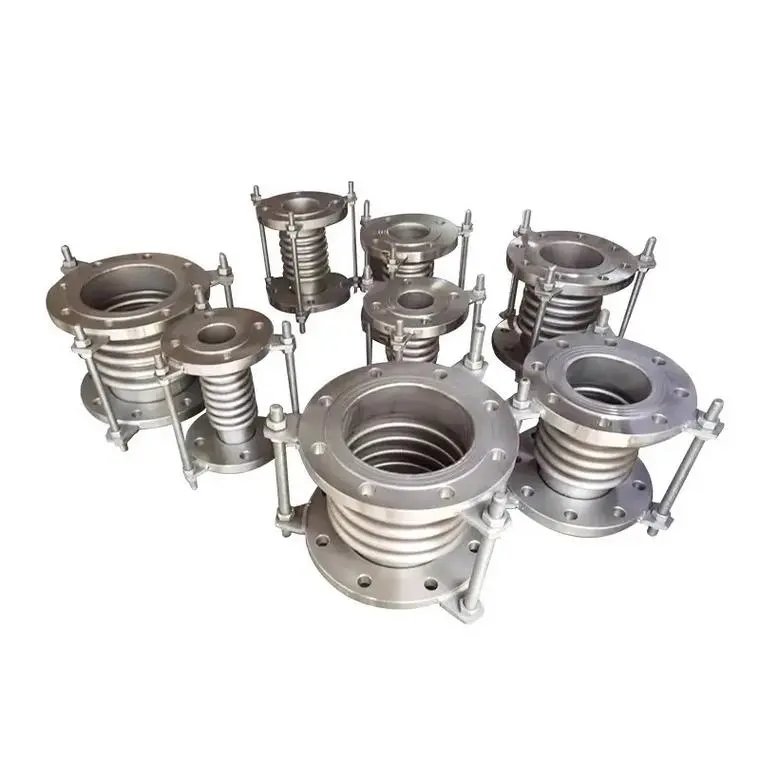
- Pre-installation Inspection: Check model, specifications and pipeline configuration to ensure compliance with design requirements
- Direction Confirmation: For compensators with internal sleeves, ensure the sleeve direction aligns with the medium flow direction
- No Forced Adjustment: Do not use compensator deformation to adjust pipeline installation deviations, as this affects normal function and service life
- Protect Bellows: Prevent welding spatter from contacting the bellows surface and avoid mechanical damage during installation
- Remove Positioning Devices: Remove auxiliary positioning devices used for transport after pipeline installation is complete
- Hydrostatic Testing: Reinforce fixed pipe supports at pipeline ends where compensators are installed during hydrostatic testing
- Moving Parts: All moving components must not be restricted by external structures
FAQ
Q1: What is the difference between bellows expansion joints and sleeve expansion joints? How to choose?
A: Bellows expansion joints absorb displacement through elastic deformation of bellows, offering large compensation capacity, good sealing, and suitability for multi-directional displacement. Sleeve expansion joints absorb axial displacement through sleeve sliding, with simpler structure but requiring regular maintenance. Bellows expansion joints are more widely used in general conditions. Selection should be based on displacement type, working pressure and temperature; Dafugui's technical team can assist with sizing.
Q2: How to select the bellows material for expansion joints?
A: Common materials include Stainless Steel 304, 316L, 321, etc. 304 is suitable for general conditions; 316L offers better corrosion resistance for chemical and marine environments; 321 provides better high-temperature resistance for steam pipelines. Dafugui can recommend appropriate materials based on your medium type and temperature conditions.
Q3: Does the bellows expansion joint require regular maintenance? What should be checked?
A: Yes. Regular inspection is recommended: check the bellows surface for cracks, corrosion or mechanical damage; check flange connection bolts for looseness; check limit devices for correct positioning. If significant damage or deformation is found on the bellows, replace it promptly to avoid pipeline accidents.
Q4: Does Dafugui support customization of bellows expansion joints?
A: Yes. We offer non-standard customization services, including non-standard diameters, special materials (e.g., nickel-based alloys), special working pressure and temperature requirements. Please provide your operating parameters and our technical team will develop a customized solution.
Hot Tags: Bellows Expansion Joint, China Manufacturer, Supplier, Factory
Send Inquiry
Contact Info
-
Address
No.25 Xingchao Road, Sidao'er Road, Binhai Park, Longwan District, Wenzhou City, Zhejiang Province, China
-
Tel
-
Email
Dafugui is a leading China manufacturer and supplier of flanges, valves, and pipe fittings since 2006. Welcome to our website! For inquiries about our products or pricelist, please leave your email to us and we will be in touch within 24 hours.