
What Makes Duplex Steel Flanges the Best Choice for Corrosion-Resistant Piping Systems
Duplex Steel Flanges have become a cornerstone component in modern industrial piping systems where strength, corrosion resistance, and long-term reliability are non-negotiable. Combining the advantages of austenitic and ferritic stainless steels, duplex steel offers exceptional mechanical performance under extreme pressure, temperature, and corrosive environments.
In this in-depth guide, we explore what makes Duplex Steel Flanges superior, how they compare to traditional stainless steel flanges, where they are most commonly used, and how to choose the right specification for your project. This article is designed for engineers, procurement managers, and technical decision-makers seeking authoritative and practical insights.
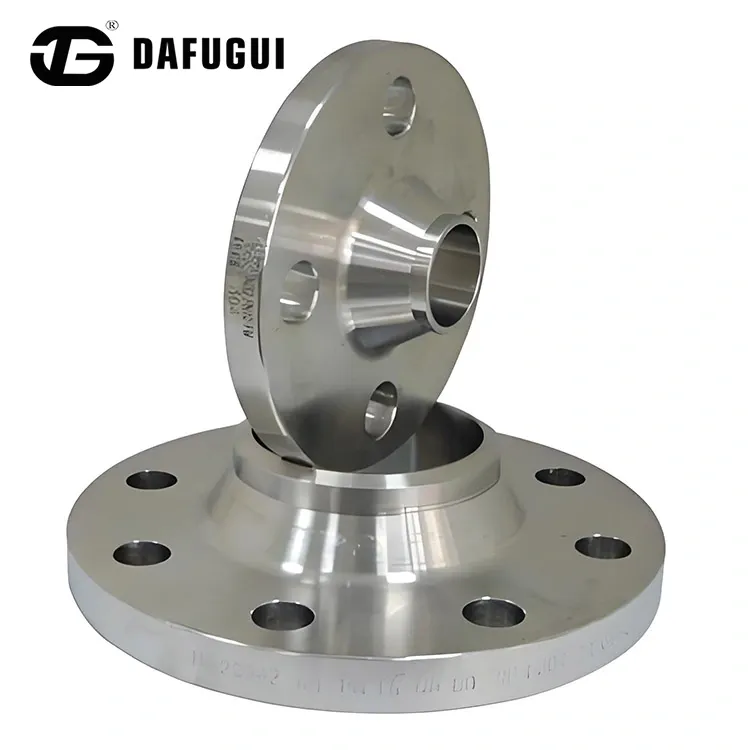
Table of Contents
- What Are Duplex Steel Flanges?
- Understanding Duplex Steel Material Structure
- Key Advantages of Duplex Steel Flanges
- Duplex Steel Flanges vs Other Flange Materials
- Common Types of Duplex Steel Flanges
- Industrial Applications
- How to Choose the Right Duplex Steel Flanges
- Standards, Grades, and Specifications
- Frequently Asked Questions
1. What Are Duplex Steel Flanges?
Duplex Steel Flanges are pipe-connecting components manufactured from duplex stainless steel, a unique alloy characterized by a dual-phase microstructure consisting of approximately 50% austenite and 50% ferrite.
This balanced structure allows Duplex Steel Flanges to deliver significantly higher strength than conventional austenitic stainless steel flanges while maintaining excellent resistance to pitting, crevice corrosion, and stress corrosion cracking.
For a detailed product overview, you can explore this authoritative resource: Duplex Steel Flanges.
2. Understanding Duplex Steel Material Structure
2.1 Dual-Phase Metallurgy Explained
The defining characteristic of duplex steel is its dual-phase microstructure. This metallurgical composition is carefully engineered during heat treatment to ensure optimal balance.
- Austenite phase: Provides toughness, ductility, and ease of fabrication
- Ferrite phase: Contributes high yield strength and resistance to chloride-induced corrosion
2.2 Why This Matters for Flanges
Flanges often operate at the most stressed points in a piping system. The superior yield strength of duplex steel allows flange thickness to be reduced without compromising safety, resulting in weight savings and improved system efficiency.
3. Key Advantages of Duplex Steel Flanges
3.1 Exceptional Corrosion Resistance
Duplex Steel Flanges exhibit outstanding resistance to:
- Pitting corrosion
- Crevice corrosion
- Stress corrosion cracking (SCC)
3.2 High Mechanical Strength
Compared with 304 or 316 stainless steel, duplex steel offers nearly double the yield strength, making it ideal for high-pressure systems.
3.3 Cost Efficiency Over Lifecycle
Although the initial material cost may be higher, Duplex Steel Flanges often reduce overall project costs through:
- Longer service life
- Lower maintenance frequency
- Reduced risk of failure
4. Duplex Steel Flanges vs Other Flange Materials
| Material | Strength | Corrosion Resistance | Cost Efficiency |
|---|---|---|---|
| Carbon Steel | Medium | Low | Low |
| 316 Stainless Steel | Medium | Good | Medium |
| Duplex Steel | High | Excellent | High (Lifecycle) |
5. Common Types of Duplex Steel Flanges
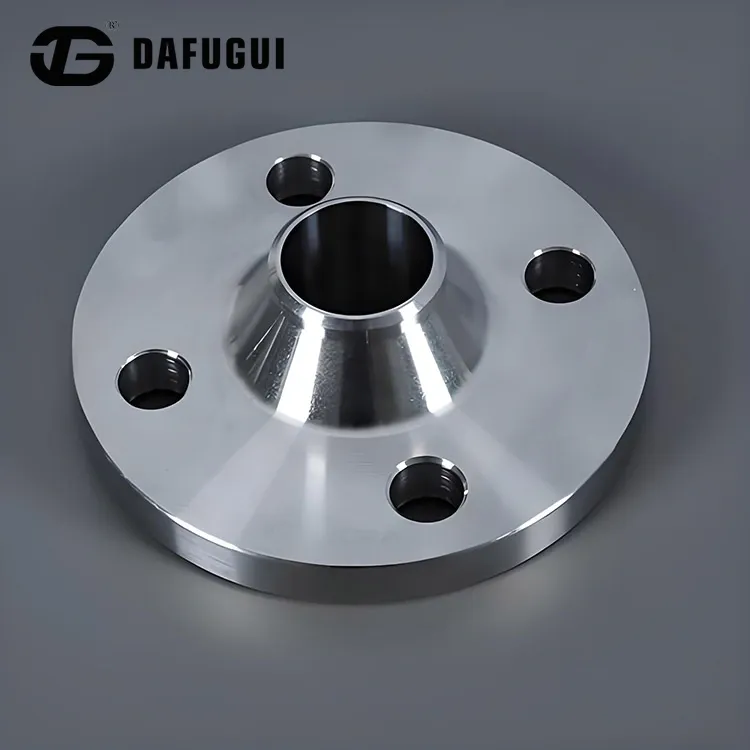
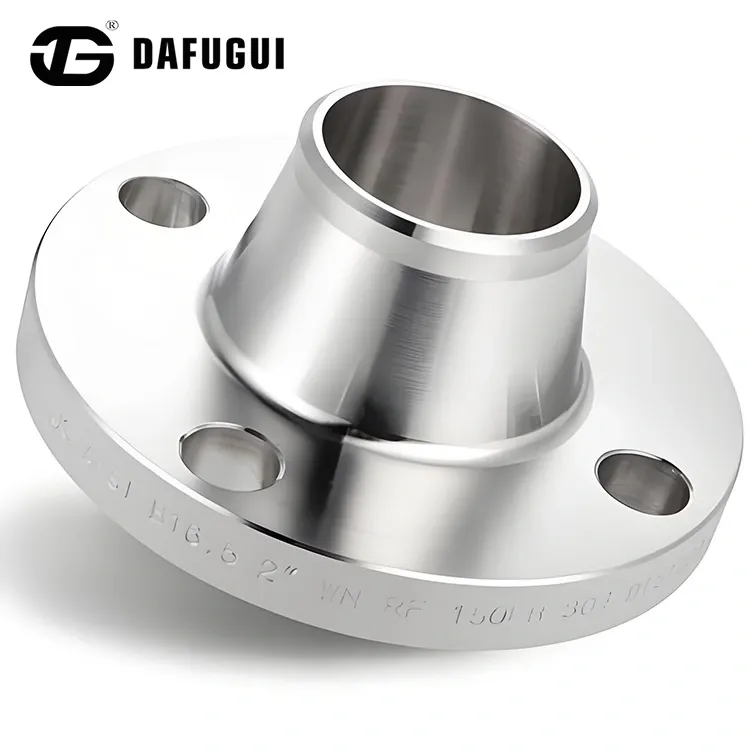
- Duplex Steel Weld Neck Flanges
- Duplex Steel Slip-On Flanges
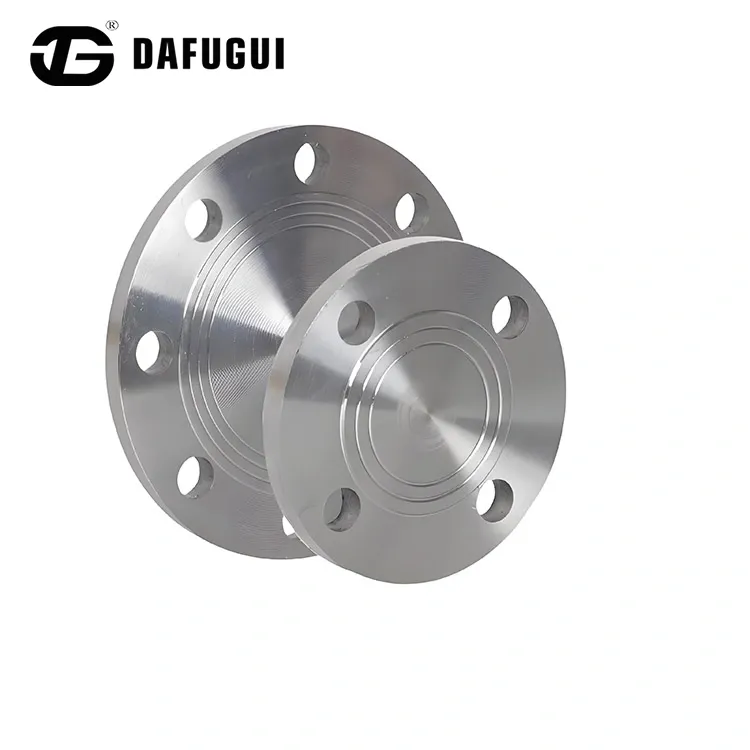
- Duplex Steel Blind Flanges
- Duplex Steel Socket Weld Flanges
- Duplex Steel Lap Joint Flanges
Each type serves a specific purpose depending on pressure rating, maintenance needs, and installation conditions.
6. Industrial Applications of Duplex Steel Flanges
6.1 Oil & Gas Industry
Duplex Steel Flanges are extensively used in offshore platforms, subsea pipelines, and refineries due to their resistance to chlorides and sulfides.
6.2 Chemical & Petrochemical Plants
The material's resistance to aggressive chemicals makes it ideal for heat exchangers and reactor piping.
6.3 Marine & Desalination Systems
In seawater environments, Duplex Steel Flanges outperform traditional stainless steels, reducing downtime and replacement costs.
7. How to Choose the Right Duplex Steel Flanges
- Evaluate operating pressure and temperature
- Analyze corrosive media composition
- Confirm compliance with ASTM / ASME standards
- Select appropriate flange type and face (RF, RTJ, FF)
Working with an experienced manufacturer like Dafugui ensures material traceability, strict quality control, and compliance with international standards.
8. Standards, Grades, and Specifications
- ASTM A182 F51 / F60
- ASTM A240
- ASME B16.5 / B16.47
- EN 1092-1
Popular duplex grades include UNS S31803, S32205, and super duplex UNS S32750.
9. Frequently Asked Questions (FAQ)
Q1: Are Duplex Steel Flanges suitable for high-temperature applications?
Yes, Duplex Steel Flanges perform well at elevated temperatures, though prolonged exposure above recommended limits should be evaluated by engineers.
Q2: Can Duplex Steel Flanges replace 316 stainless steel flanges?
In many corrosive and high-pressure environments, duplex steel is a superior replacement offering better strength and corrosion resistance.
Q3: Are Duplex Steel Flanges difficult to fabricate?
They require controlled welding procedures, but modern fabrication techniques make processing efficient and reliable.
Conclusion
Duplex Steel Flanges represent a powerful combination of strength, corrosion resistance, and long-term value. For industries where failure is not an option, they offer a proven and future-ready solution.
If you are sourcing high-quality Duplex Steel Flanges with guaranteed performance, Dafugui provides professional manufacturing expertise and global supply capabilities. To discuss your project requirements or request technical support, contact us today and let our specialists help you select the right solution.
Related News
- Why Do Desalination Plant High Salinity S32760 Threaded Pipe Flanges Excel in SWRO Brine and Chemical Lines?
- How Does a Butterfly Valve Control Water Flow in Municipal Supply Systems?
- What Role Do Butterfly Valves Play in Hydropower Plant Penstock Flow Regulation?
- What Is a Rubber Disc Check Valve and How Does It Ensure Reliable Backflow Prevention?
- Why Do Water Engineers Prefer Butterfly Valves for Pump Station Applications?
- How Does a Bellows Expansion Joint Protect Pipeline Systems from Thermal Expansion, Vibration, and Mechanical Stress?
Leave me a message