
How Do You Choose the Right Stainless Steel Cross Pipe Fitting for Your Project
Choosing the right Stainless Steel Cross Pipe Fitting is a critical decision in pipeline system design. The correct selection directly affects system safety, flow efficiency, corrosion resistance, and long-term operational costs. This in-depth guide explains what stainless steel cross pipe fittings are, how they work, where they are used, and how to select the most suitable type based on material grade, pressure rating, standards, and application scenarios. Drawing on industry best practices and manufacturing insights from Dafugui, this article helps engineers, contractors, and procurement professionals make informed decisions aligned with modern industrial requirements.
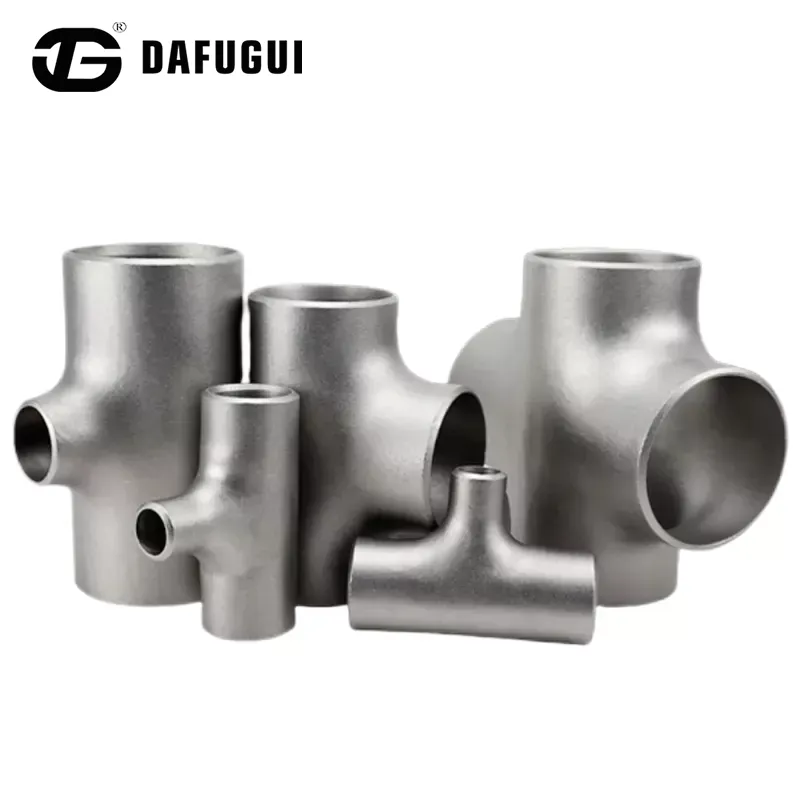
Table of Contents
- 1. What Is a Stainless Steel Cross Pipe Fitting?
- 2. How Does a Stainless Steel Cross Pipe Fitting Work?
- 3. Common Types of Stainless Steel Cross Pipe Fittings
- 4. Key Materials and Grades Explained
- 5. Pressure Ratings and Industry Standards
- 6. Applications Across Different Industries
- 7. How to Choose the Right Stainless Steel Cross Pipe Fitting
- 8. Advantages of Stainless Steel Cross Pipe Fittings
- 9. Quality Control and Manufacturing Considerations
- 10. Frequently Asked Questions (FAQ)
1. What Is a Stainless Steel Cross Pipe Fitting?
A Stainless Steel Cross Pipe Fitting is a four-way pipe connector designed to connect four pipes at right angles within a piping system. It allows fluid or gas to be distributed in multiple directions simultaneously, making it an essential component in complex pipeline networks.
Unlike tees, which have three outlets, cross fittings provide an additional branch, enabling more flexible system layouts. Stainless steel construction ensures excellent resistance to corrosion, temperature extremes, and mechanical stress.
2. How Does a Stainless Steel Cross Pipe Fitting Work?
Stainless steel cross pipe fittings function by creating a central junction where four pipelines intersect. Depending on system design, fluid can enter from one or more directions and exit through the remaining outlets.
- Ensures balanced flow distribution
- Reduces the need for multiple connectors
- Improves system compactness
- Supports high-pressure and high-temperature conditions
3. Common Types of Stainless Steel Cross Pipe Fittings
| Type | Description | Typical Use |
|---|---|---|
| Butt Weld Cross | Welded directly to pipes for permanent installation | High-pressure pipelines |
| Threaded Cross | Features internal or external threads | Low to medium pressure systems |
| Socket Weld Cross | Pipe inserted into socket and welded | Compact high-strength systems |
4. Key Materials and Grades Explained
Material selection is fundamental when choosing a stainless steel cross pipe fitting. Common grades include:
- 304 / 304L: Excellent corrosion resistance, general-purpose applications
- 316 / 316L: Enhanced resistance to chlorides and chemicals
- 321: Stabilized for high-temperature environments
- Duplex Stainless Steel: High strength and superior corrosion resistance
Manufacturers such as Dafugui provide customized material options to meet specific environmental and regulatory requirements.
5. Pressure Ratings and Industry Standards
Stainless steel cross pipe fittings must comply with recognized international standards to ensure safety and compatibility.
| Standard | Region | Application |
|---|---|---|
| ASME B16.9 | Global | Butt weld fittings |
| ASME B16.11 | Global | Forged threaded/socket fittings |
| EN 10253 | Europe | Butt weld fittings |
6. Applications Across Different Industries
Stainless steel cross pipe fittings are widely used due to their durability and adaptability.
- Oil and gas pipelines
- Chemical and petrochemical plants
- Food and beverage processing
- Pharmaceutical manufacturing
- Water treatment systems
- Power generation facilities
7. How to Choose the Right Stainless Steel Cross Pipe Fitting
Selecting the right fitting requires a systematic evaluation of project requirements:
- Determine operating pressure and temperature
- Identify fluid or gas characteristics
- Select appropriate stainless steel grade
- Confirm compliance with standards
- Evaluate connection type and installation method
For detailed specifications, you can also refer to authoritative product information such as stainless steel cross pipe fitting technical details.
8. Advantages of Stainless Steel Cross Pipe Fittings
- Outstanding corrosion resistance
- Long service life
- Low maintenance cost
- Excellent mechanical strength
- High hygienic performance
9. Quality Control and Manufacturing Considerations
Reputable manufacturers like Dafugui implement strict quality control processes, including material traceability, dimensional inspection, pressure testing, and surface finishing checks. These measures ensure that each stainless steel cross pipe fitting meets global quality expectations.
10. Frequently Asked Questions (FAQ)
Q1: What is the difference between a cross and a tee fitting?
A cross fitting has four outlets, while a tee fitting has three, allowing more complex flow distribution.
Q2: Can stainless steel cross pipe fittings handle high temperatures?
Yes, especially grades like 316L and 321, which are designed for elevated temperature environments.
Q3: Are custom sizes available?
Many manufacturers, including Dafugui, offer customized sizes and specifications.
Q4: Are stainless steel cross fittings suitable for corrosive media?
Stainless steel, particularly 316 and duplex grades, performs exceptionally well in corrosive conditions.
If you are looking for reliable, high-performance Stainless Steel Cross Pipe Fittings tailored to your project requirements, partnering with an experienced manufacturer is essential. Dafugui provides comprehensive solutions backed by technical expertise and strict quality standards. Feel free to contact us to discuss your application needs and receive professional support.
Related News
- Why Do Desalination Plant High Salinity S32760 Threaded Pipe Flanges Excel in SWRO Brine and Chemical Lines?
- How Does a Butterfly Valve Control Water Flow in Municipal Supply Systems?
- What Role Do Butterfly Valves Play in Hydropower Plant Penstock Flow Regulation?
- What Is a Rubber Disc Check Valve and How Does It Ensure Reliable Backflow Prevention?
- Why Do Water Engineers Prefer Butterfly Valves for Pump Station Applications?
- How Does a Bellows Expansion Joint Protect Pipeline Systems from Thermal Expansion, Vibration, and Mechanical Stress?
Leave me a message