
Why Choose Stainless Steel Socket Weld Flanges for High-Pressure Piping Systems
Stainless Steel Socket Weld Flanges play a crucial role in modern piping systems where pressure resistance, leak prevention, and long-term reliability are non-negotiable. This in-depth article explores why engineers, procurement managers, and project owners consistently choose Stainless Steel Socket Weld Flanges for demanding applications. Backed by industry experience and best practices from Dafugui, this article is designed to help decision-makers make confident, informed choices.
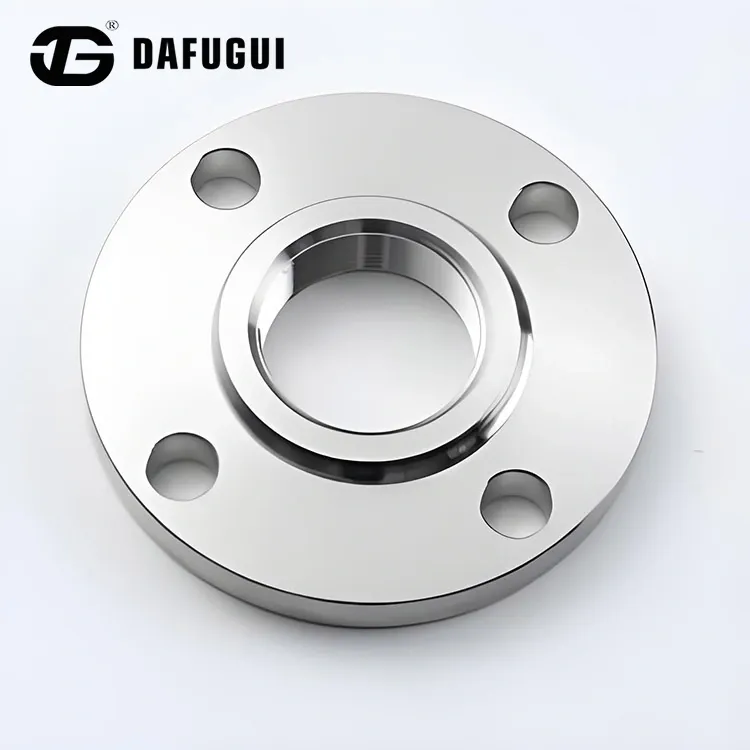
Table of Contents
- What Are Stainless Steel Socket Weld Flanges?
- Why Are Stainless Steel Socket Weld Flanges Used in High-Pressure Systems?
- Key Advantages of Stainless Steel Socket Weld Flanges
- Common Materials and Standards
- Manufacturing Process and Quality Control
- Typical Industrial Applications
- Installation Best Practices
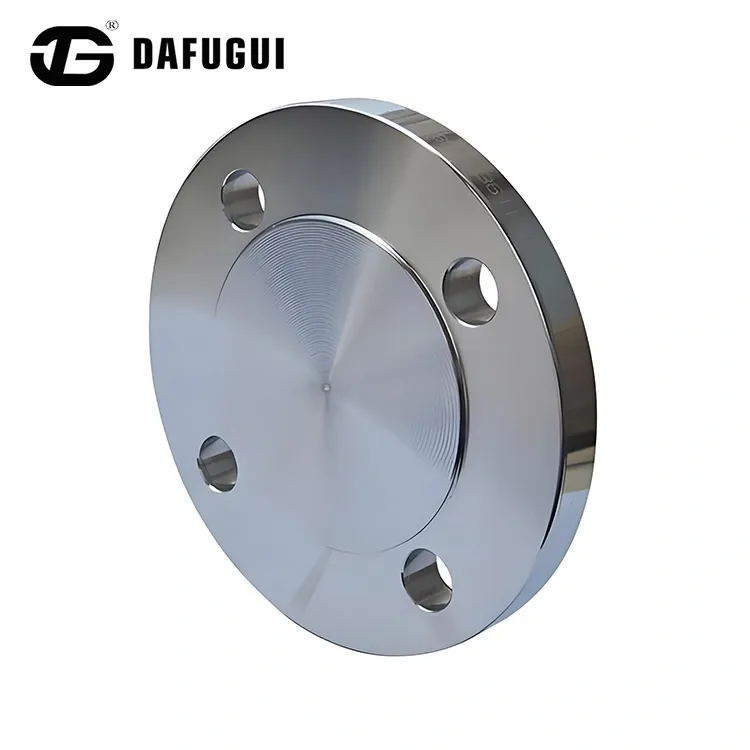
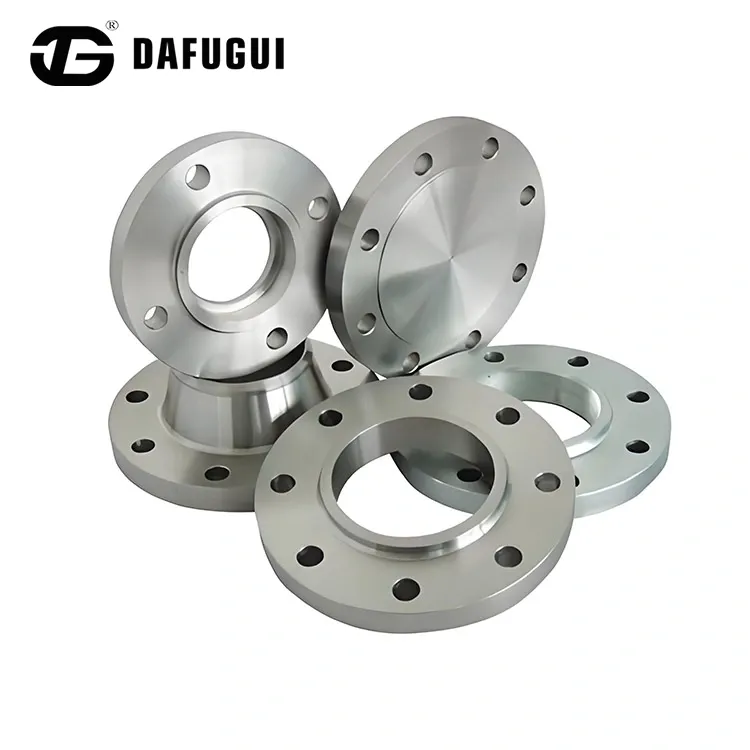
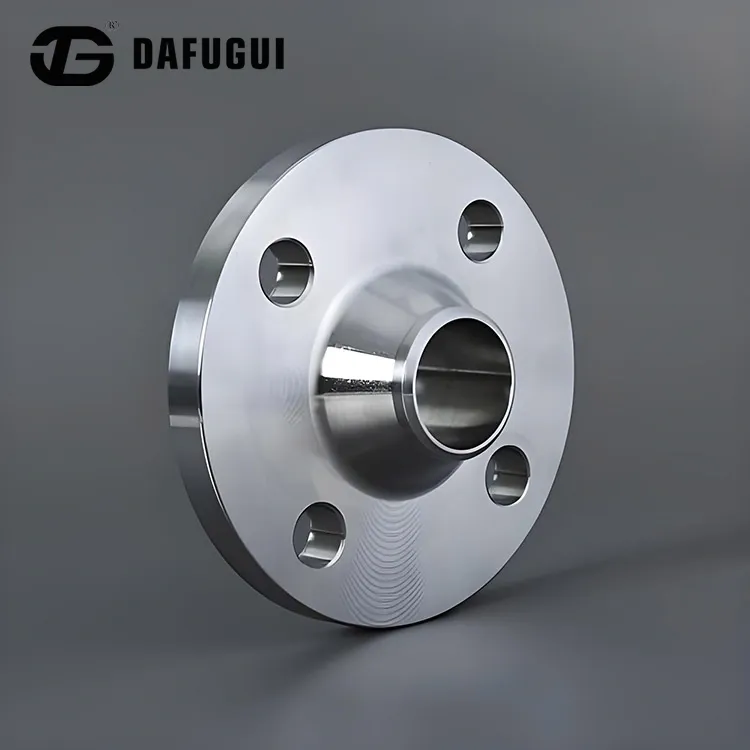
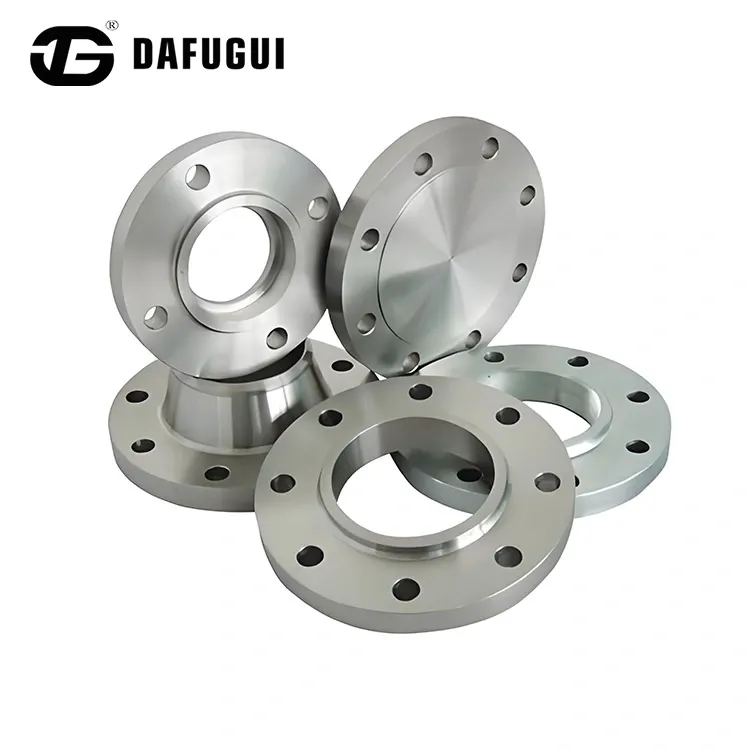
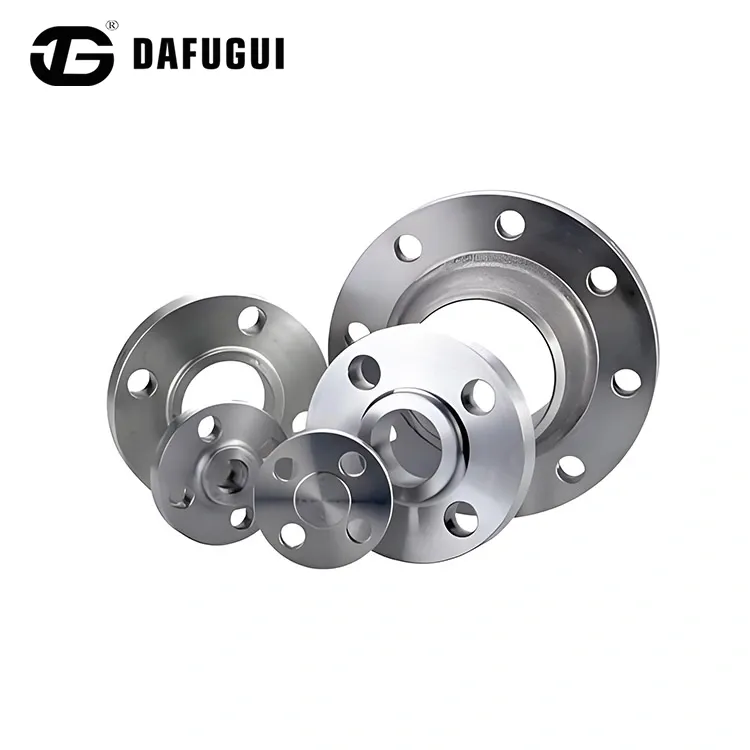
- Comparison with Other Flange Types
- How to Choose the Right Stainless Steel Socket Weld Flanges
- Frequently Asked Questions (FAQ)
1. What Are Stainless Steel Socket Weld Flanges?
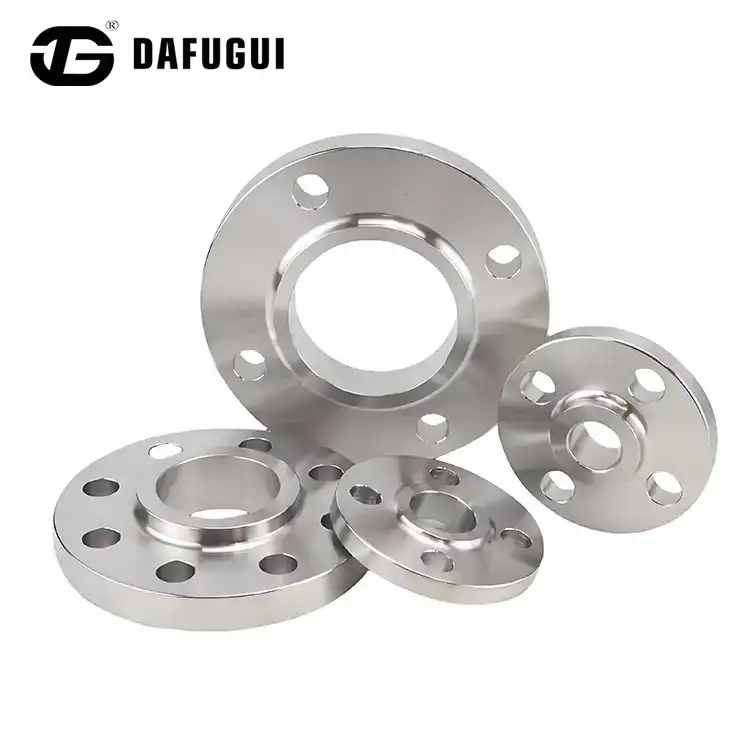
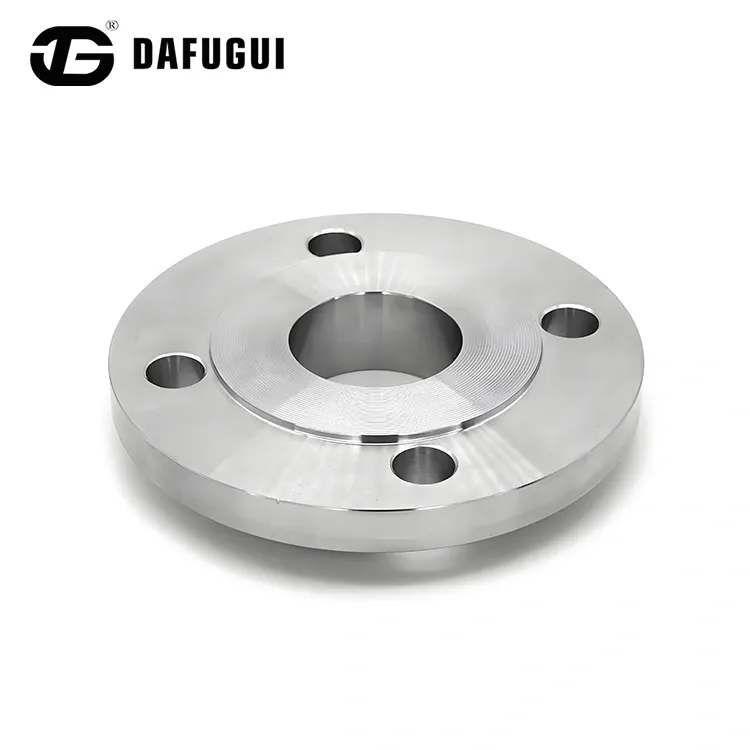
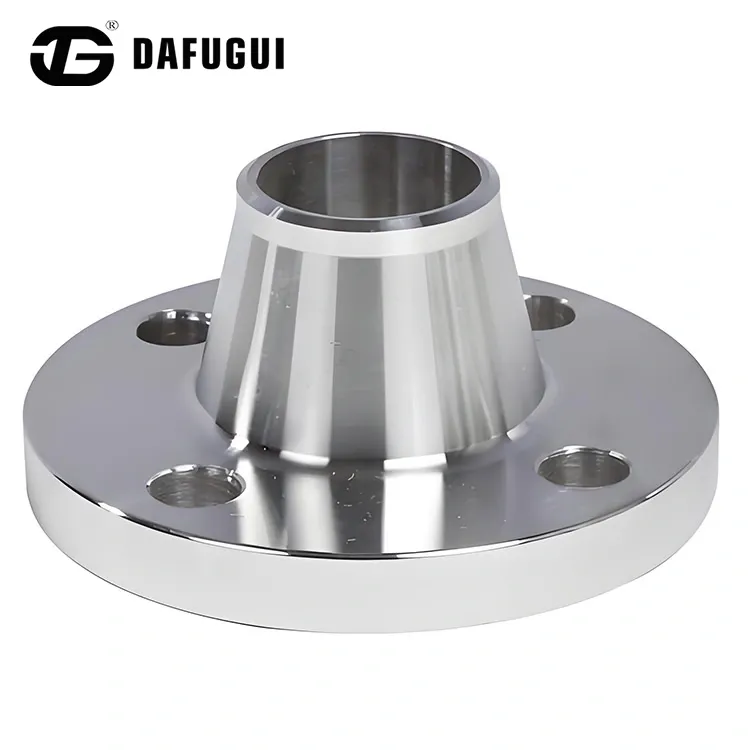
Stainless Steel Socket Weld Flanges are a type of pipe flange designed for small-diameter, high-pressure piping systems. Unlike slip-on flanges, the pipe is inserted into a recessed socket and fillet welded on the outside. This design creates a smooth internal bore and a strong, leak-resistant joint.
Manufactured from corrosion-resistant stainless steel grades, these flanges are commonly used in systems where fluid integrity, cleanliness, and mechanical strength are critical. According to industry specifications, Stainless Steel Socket Weld Flanges are typically used in pipe sizes up to 2 inches, making them ideal for precision-driven applications.
2. Why Are Stainless Steel Socket Weld Flanges Used in High-Pressure Systems?
High-pressure systems demand absolute reliability. Stainless Steel Socket Weld Flanges excel in these environments because their welded connection minimizes turbulence, reduces stress concentration, and significantly lowers the risk of leakage.
The socket design supports the pipe internally, helping maintain alignment under pressure fluctuations. Additionally, stainless steel materials provide excellent resistance to stress corrosion cracking, making these flanges suitable for long-term use in aggressive operating conditions.
3. Key Advantages of Stainless Steel Socket Weld Flanges
- Superior Leak Prevention: The welded socket joint ensures a tight, permanent seal.
- High Pressure Resistance: Designed to withstand extreme pressure and temperature conditions.
- Corrosion Resistance: Stainless steel offers excellent protection against oxidation and chemical attack.
- Clean Flow Path: Smooth internal bore reduces turbulence and contamination risks.
- Long Service Life: Ideal for applications requiring durability and minimal maintenance.
These benefits explain why Stainless Steel Socket Weld Flanges are widely specified in critical systems across industries.
4. Common Materials and Standards
| Material Grade | Key Characteristics | Typical Standard |
|---|---|---|
| ASTM A182 F304/304L | Excellent corrosion resistance, good weldability | ASME B16.5 |
| ASTM A182 F316/316L | Enhanced resistance to chlorides and chemicals | ASME B16.5 |
| ASTM A182 F321 | Stabilized for high-temperature service | ASME B16.5 |
Reputable manufacturers like Dafugui Stainless Steel Socket Weld Flanges strictly follow international standards to ensure compatibility and safety.
5. Manufacturing Process and Quality Control
The production of Stainless Steel Socket Weld Flanges involves precision forging, CNC machining, and strict dimensional inspection. Each stage is designed to ensure mechanical strength and accurate socket dimensions.
At Dafugui, quality control includes chemical composition analysis, mechanical testing, and non-destructive examination. These procedures guarantee that every Stainless Steel Socket Weld Flange meets or exceeds industry requirements.
6. Typical Industrial Applications
- Oil and Gas Processing Systems
- Chemical and Petrochemical Plants
- Pharmaceutical and Food Processing
- Power Generation Facilities
- Hydraulic and Instrumentation Lines
In these industries, even minor leakage can result in safety hazards or costly downtime, making Stainless Steel Socket Weld Flanges the preferred solution.
7. Installation Best Practices
Proper installation is critical for optimal performance. It is recommended to leave a small expansion gap between the pipe end and the socket shoulder to accommodate thermal expansion.
Welders should follow qualified welding procedures and use compatible filler materials to maintain corrosion resistance. Post-weld inspection further ensures joint integrity.
8. Comparison with Other Flange Types
| Flange Type | Pressure Rating | Leak Resistance | Typical Use |
|---|---|---|---|
| Socket Weld | High | Excellent | Small, high-pressure systems |
| Slip-On | Medium | Moderate | Low to medium pressure |
| Threaded | Low | Low | Non-welded systems |
9. How to Choose the Right Stainless Steel Socket Weld Flanges
Selecting the right Stainless Steel Socket Weld Flanges involves evaluating pressure class, material grade, operating temperature, and media compatibility. Compliance with standards and supplier credibility are equally important.
Dafugui provides technical guidance and customized solutions to help clients select the most suitable Stainless Steel Socket Weld Flanges for their projects.
10. Frequently Asked Questions (FAQ)
Are Stainless Steel Socket Weld Flanges reusable?
Generally, these flanges are not intended for reuse due to the welded connection, which prioritizes safety and reliability.
What pipe sizes are suitable for socket weld flanges?
They are typically used for pipes up to 2 inches in diameter, especially in high-pressure applications.
Why is stainless steel preferred for socket weld flanges?
Stainless steel offers superior corrosion resistance, mechanical strength, and long-term durability.
Can Stainless Steel Socket Weld Flanges handle high temperatures?
Yes, especially grades like 316 and 321, which are designed for elevated temperature service.
Conclusion
Stainless Steel Socket Weld Flanges are an essential component in high-pressure, high-integrity piping systems. Their robust design, excellent sealing performance, and corrosion resistance make them indispensable across critical industries. By choosing a reliable manufacturer like Dafugui, you ensure quality, compliance, and long-term operational safety.
If you are looking for dependable Stainless Steel Socket Weld Flanges tailored to your application, we invite you to contact us today. Dafugui’s experienced team is ready to support your project with expert advice and premium products.
Related News
- Why Do Desalination Plant High Salinity S32760 Threaded Pipe Flanges Excel in SWRO Brine and Chemical Lines?
- How Does a Butterfly Valve Control Water Flow in Municipal Supply Systems?
- What Role Do Butterfly Valves Play in Hydropower Plant Penstock Flow Regulation?
- What Is a Rubber Disc Check Valve and How Does It Ensure Reliable Backflow Prevention?
- Why Do Water Engineers Prefer Butterfly Valves for Pump Station Applications?
- How Does a Bellows Expansion Joint Protect Pipeline Systems from Thermal Expansion, Vibration, and Mechanical Stress?
Leave me a message