

Industry News
 25 2026-06
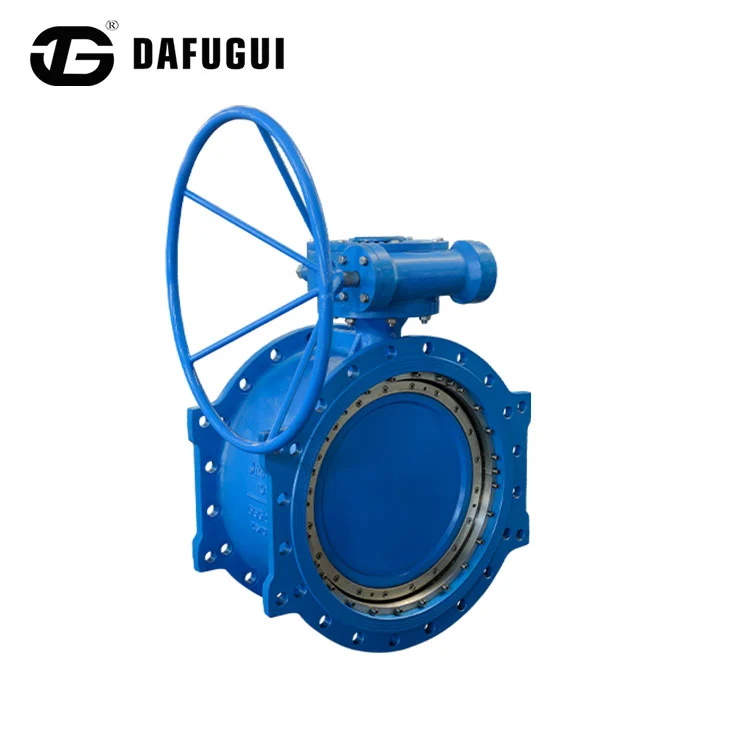
Why Is an Elastic Seat Butterfly Valve the Ideal Choice for Reliable and Cost-Effective Flow Control
Selecting the right valve is critical for ensuring efficient fluid control, system reliability, and long-term operational savings. Among the many valve types available today, the Elastic Seat Butterfly Valve has become one of the most widely used solutions in water treatment, municipal infrastructure, industrial pipelines, HVAC systems, and fire protection networks. In this article, we explore how Elastic Seat Butterfly Valves work, their key advantages, applications, selection criteria, maintenance requirements, and why manufacturers such as Dafugui continue to be trusted suppliers for global projects.
 18 2026-06
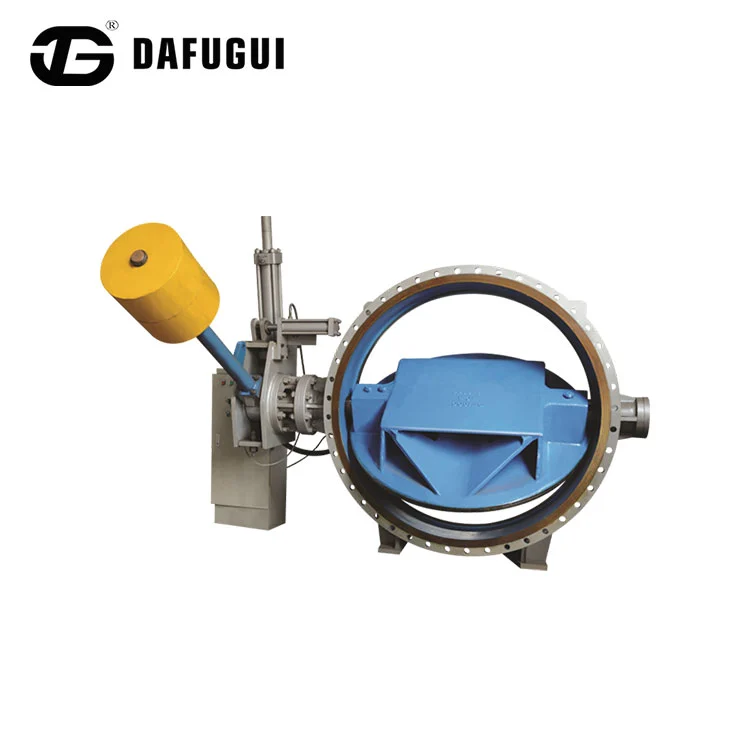
Why Is a Hydraulic Control Check Butterfly Valve Essential for Modern Water Control Systems
In modern water transmission and distribution networks, reliability, safety, and operational efficiency are critical. Dafugui has become a trusted manufacturer in the valve industry by providing advanced flow control solutions, including the highly efficient Hydraulic Control Check Butterfly Valve.
 11 2026-06
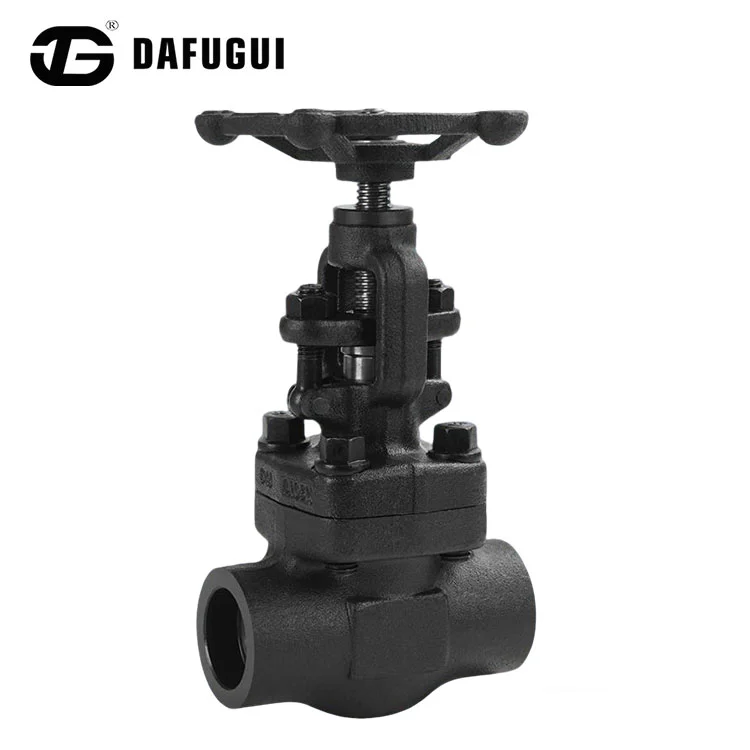
Why Is a Socket-weld Gate Valve the Preferred Choice for High-Pressure Industrial Piping Systems
Industrial piping systems require valves that can provide dependable shut-off performance, withstand demanding pressure conditions, and maintain long-term reliability. Among the many valve types available today, the Socket-weld Gate Valve has become one of the most trusted solutions for power plants, petrochemical facilities, oil and gas installations, and process industries.
 20 2026-05
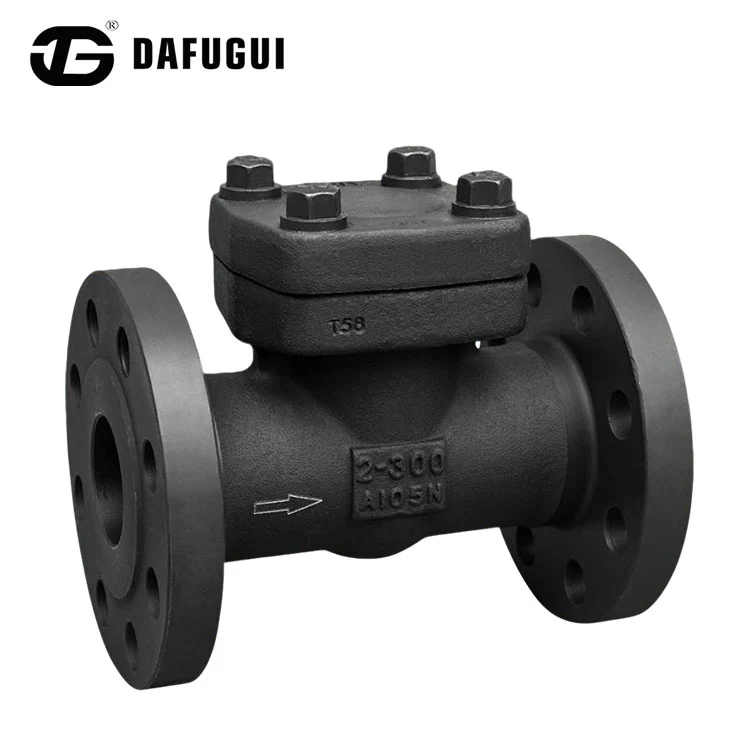
Which Check Valve Solves Backflow Problems Without Adding Maintenance Headaches?
A check valve is often a small part of a pipeline system, but when it fails, the consequences are rarely small. Backflow can damage pumps, contaminate clean media, create water hammer, interrupt production, and increase maintenance costs. For buyers, engineers, and project managers, the real question is not simply whether a check valve can stop reverse flow.
 13 2026-05
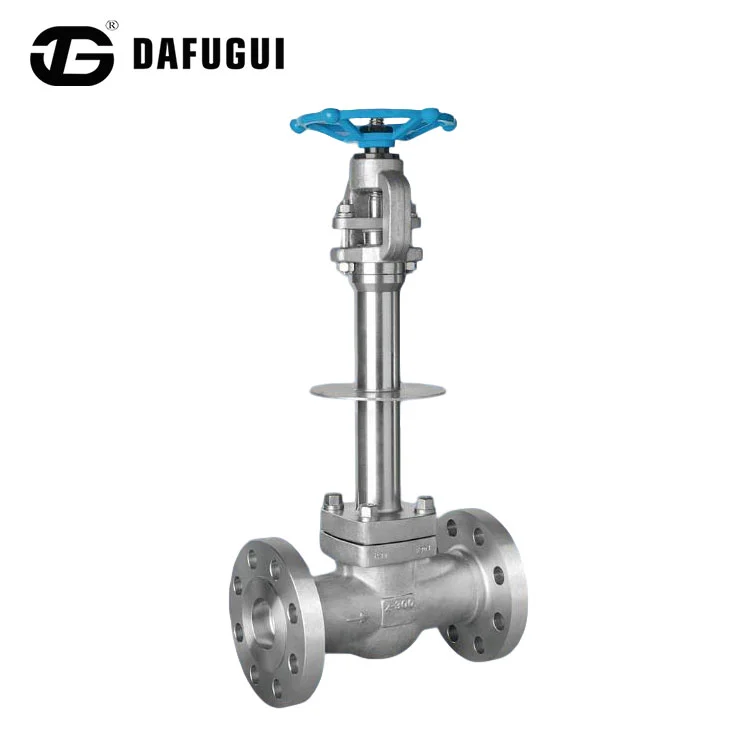
Why Does Gate Valve Selection Matter for Reliable Pipeline Shutoff?
A gate valve may look like a simple shutoff component, but the wrong choice can lead to leakage, pressure loss, difficult operation, frequent maintenance, and unexpected downtime.
 08 2026-05
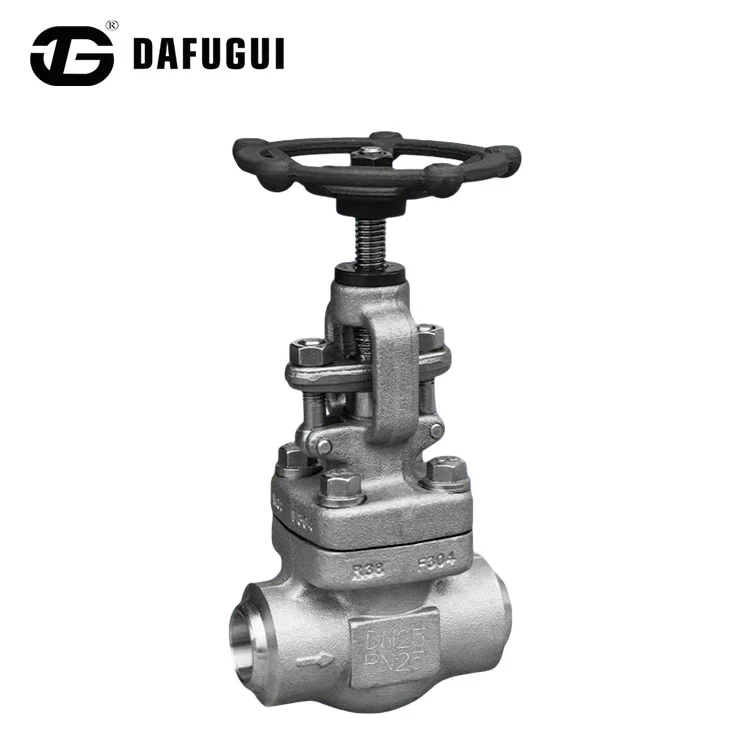
What Makes Globe Valves a Smarter Choice for Precise Flow Control?
Globe Valves are often selected when a pipeline needs more than simple open-and-close service. For buyers, engineers, and maintenance teams, the real question is not only whether a valve can stop fluid, but whether it can control flow steadily, protect downstream equipment, reduce leakage risk, and remain serviceable over a long operating life.